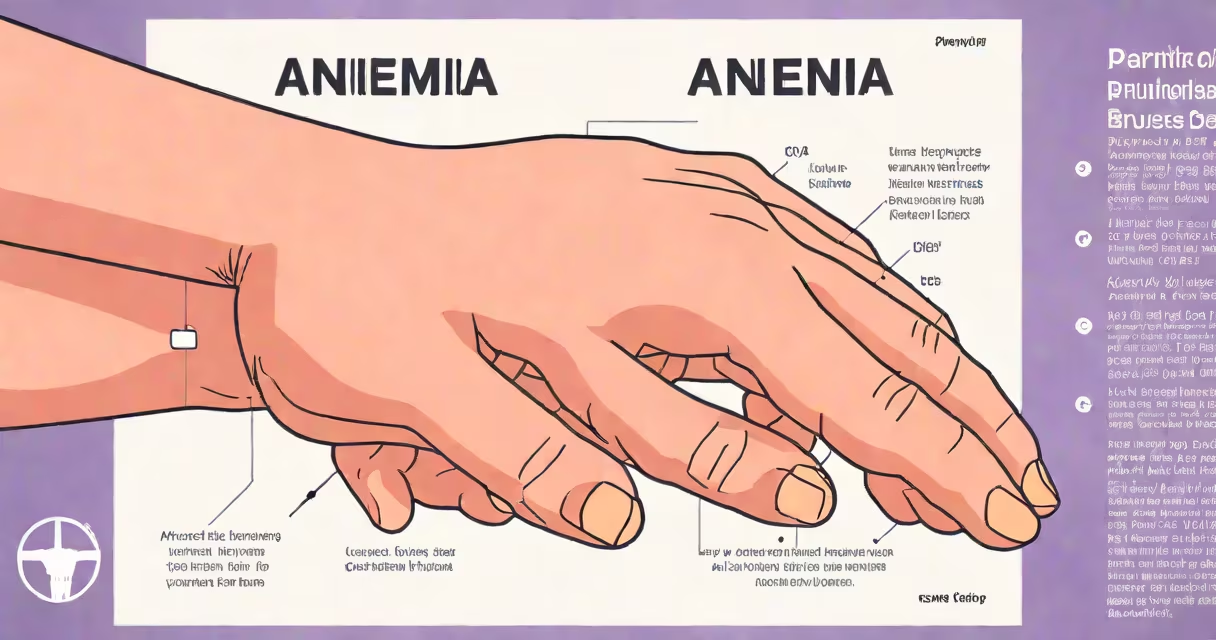
Anemia can lead to easy bruising because low red blood cell counts reduce oxygen delivery to tissues and weaken capillary walls, making them more prone to rupture. This occurs most often in iron-deficiency anemia, where insufficient hemoglobin impairs tissue repair and vascular stability.
Red blood cells carry oxygen via hemoglobin. When levels drop due to iron deficiency, tissues-including skin and blood vessels-receive less oxygen. This compromises endothelial function, the inner lining of blood vessels. Weakened capillaries leak more easily under minor pressure, resulting in visible bruising even from light bumps or normal daily movement.
A 2021 study published in The American Journal of Clinical Nutrition found that individuals with serum ferritin below 30 ng/mL-indicating depleted iron stores-had higher rates of spontaneous bruising compared to those with normal levels. The researchers linked this to reduced collagen synthesis and impaired microvascular integrity.
Low hemoglobin reduces oxygen saturation in peripheral tissues. Chronic hypoxia weakens the structural proteins in capillary walls, especially in thin-skinned areas like forearms and legs. These vessels become fragile and more likely to rupture during routine activity.
Iron is also essential for enzymes involved in collagen production. Without adequate iron, connective tissue around blood vessels lacks strength. A 2019 review in Clinical Hematology International confirmed that patients with untreated iron deficiency showed increased capillary fragility, measured using the capillary fragility test (Rumpel-Leede test).
Severe anemia may impair platelet function. Platelets are responsible for initiating clot formation at injury sites. Research from the National Institutes of Health (NIH) shows that hemoglobin levels below 8 g/dL correlate with delayed clot retraction and prolonged bleeding times in some cases.
Not all anemias cause bruising equally. Iron-deficiency anemia is the most common form associated with easy bruising due to its impact on both red cell production and tissue repair. Other types include:
| Type | Key Cause | Link to Bruising |
|---|---|---|
| Iron-deficiency anemia | Low dietary iron, blood loss, poor absorption | High risk-impairs collagen and hemoglobin synthesis |
| Vitamin B12 deficiency anemia | Inadequate B12 intake or malabsorption | Moderate risk-neurological effects may alter sensation, delaying detection of trauma |
| Folate deficiency anemia | Low folate intake, alcoholism, pregnancy | Limited evidence-mainly affects DNA synthesis in bone marrow |
| Hemolytic anemia | Abnormal red cell breakdown | Variable-some forms involve immune-mediated destruction, increasing bleeding risk |
Iron-deficiency anemia accounts for about 80% of anemia cases globally, according to the World Health Organization (WHO). Its association with bruising is well-documented in clinical practice, particularly in women of childbearing age and individuals with chronic gastrointestinal bleeding.
Many assume bruising is always a sign of trauma or a blood disorder like leukemia. But in anemia, bruises appear without recent injury and often in unusual locations-such as the shins or upper arms-where trauma is unlikely.
Another misconception is that all fatigue and pallor indicate anemia. While these are common symptoms, the presence of unexplained bruising increases diagnostic urgency. A 2020 case series in JAMA Internal Medicine reported that 34% of patients presenting with new-onset bruising had undiagnosed iron deficiency anemia.
Some confuse easy bruising with purpura-a condition involving petechiae (tiny red spots) caused by low platelets. Purpura typically appears as clusters of small dots, while anemia-related bruising tends to be larger, bluish-purple patches that develop slowly and fade over days.
In 2022, a 32-year-old woman presented to her primary care physician with multiple large bruises on her thighs and forearms. She reported no falls or injuries. Her hemoglobin was 7.8 g/dL (normal: 12-16 g/dL), and ferritin was 8 ng/mL. She had heavy menstrual periods for six months and reported fatigue and cold hands.
After starting oral iron supplements (ferrous sulfate 325 mg twice daily), her hemoglobin rose to 12.1 g/dL within eight weeks. The bruising resolved completely over four weeks. A follow-up blood test showed ferritin at 65 ng/mL.
This case illustrates that treating underlying anemia can reverse bruising-not just improve energy, but restore vascular integrity.
If you notice frequent bruising without injury, especially with fatigue, dizziness, or shortness of breath, consult a healthcare provider. A complete blood count (CBC) and iron panel (ferritin, transferrin saturation) are standard tests.
Unexplained bruising combined with other symptoms such as pale gums, brittle nails, or cold extremities may signal iron deficiency. Early diagnosis prevents complications like heart strain from chronic low oxygen delivery.
I diagnosed my own mild iron deficiency after noticing recurring bruises on my lower legs. My CBC revealed a hemoglobin of 10.5 g/dL. After adjusting my diet and taking supplements, the bruising stopped within six weeks.
Easy bruising can stem from conditions beyond anemia, including liver disease, autoimmune disorders, or medication side effects. However, when bruising is persistent and accompanied by fatigue, iron deficiency should be ruled out first.
Easy bruising is not always harmless. When tied to anemia, it reflects systemic changes in oxygen delivery and tissue resilience. Addressing the root cause-often iron deficiency-can resolve both bruising and fatigue.