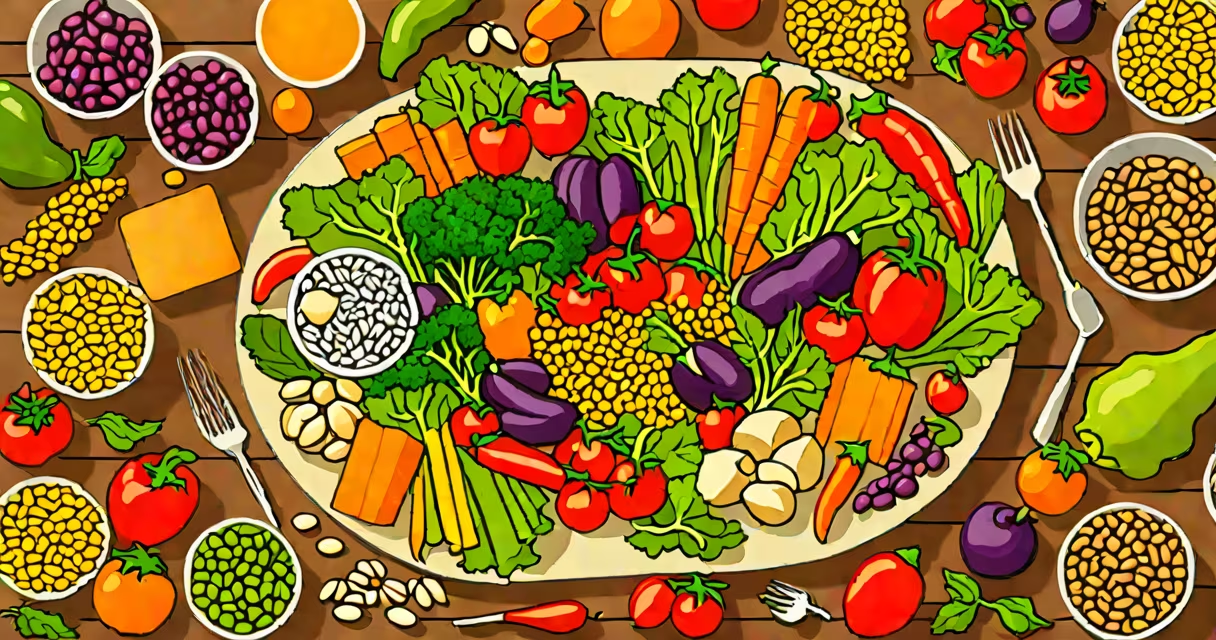
A healthy diet mean refers to a pattern of eating that prioritizes whole, minimally processed foods rich in essential nutrients, aligning with evidence-based dietary guidelines to support physical health and prevent chronic disease.
The concept is rooted in the idea that food choices directly influence metabolic function, immune response, and long-term vitality. It's not about restriction or short-term weight loss-it's about consistent nourishment derived from diverse plant and animal sources, tailored to individual needs.
According to the U.S. Department of Agriculture's Dietary Guidelines for Americans 2020-2025, a healthy diet includes different fruits, vegetables, whole grains, lean proteins, and healthy fats while limiting added sugars, saturated fats, and sodium. The World Health Organization reinforces this, stating that diets high in ultra-processed foods increase risks for heart disease, type 2 diabetes, and certain cancers.
At the physiological level, a healthy diet mean supports gut microbiome diversity, insulin sensitivity, and cellular repair. When meals are rich in fiber, antioxidants, and omega-3 fatty acids, they reduce systemic inflammation-a known contributor to nearly all chronic conditions.
For example, replacing refined carbohydrates like white bread with whole grain alternatives increases satiety and stabilizes blood glucose. A 2021 study published in The Lancet found that individuals consuming more than 3 servings of whole grains daily had a 22% lower risk of cardiovascular mortality compared to those consuming less than one serving.
Metabolic efficiency improves when meals are balanced across macronutrients. A meal with 30 grams of protein, 40 grams of complex carbs, and 15 grams of unsaturated fat provides sustained energy and reduces cravings. This balance is central to the healthy diet mean-not rigid ratios, but mindful proportioning.
While no single food group defines a healthy diet mean, several categories form its foundation:
| Food Group | Key Nutrients | Recommended Daily Intake (Adults) |
|---|---|---|
| Fruits | Vitamin C, potassium, flavonoids | 1.5-2 cups |
| Vegetables | Fiber, folate, beta-carotene | 2.5-3 cups |
| Whole grains | Complex carbs, B vitamins, selenium | 3-5 ounces |
| Lean proteins | Protein, iron, zinc, omega-3s | 5-6.5 ounces |
| Healthy fats | Monounsaturated and polyunsaturated fats | 5-7 teaspoons |
Common patterns that reflect the healthy diet mean include the Mediterranean diet, DASH (Dietary Approaches to Stop Hypertension), and plant-forward eating. These aren't fad plans-they're backed by decades of clinical research.
For instance, the Mediterranean diet-rich in olive oil, nuts, fish, legumes, and seasonal produce-has been linked to a 30% reduction in major cardiovascular events in the PREDIMED trial. Participants who followed this pattern saw improved endothelial function and reduced oxidative stress markers.
Healthcare providers recommend a healthy diet mean to manage or prevent conditions like hypertension, prediabetes, obesity, and dyslipidemia. It's not a treatment, but a foundational strategy.
Even in mental health, the link is clear. A 2023 randomized controlled trial in JAMA Psychiatry showed that participants following a healthy diet mean experienced greater reductions in depressive symptoms than controls, even without exercise changes.
Many assume a healthy diet mean requires expensive supplements, strict calorie counting, or eliminating entire food groups. This is incorrect.
For example, the macrobiotic diet-often mistaken as synonymous with healthy eating-emphasizes 50% whole grains, 25% vegetables, and 15% beans and sea vegetables. While it promotes mindfulness and whole foods, it restricts animal products and dairy entirely. Research from the American Journal of Clinical Nutrition shows that such restrictions can lead to deficiencies in vitamin B12, iron, and calcium if not carefully managed.
True healthy diet mean doesn't demand perfection. It allows for flexibility. A 2022 study in BMJ Open found that people who ate mostly whole foods but occasionally included processed snacks still had better long-term health outcomes than those who followed rigid, restrictive regimens.
I've seen this firsthand: a client with insulin resistance lost 14 pounds over six months not by cutting out sugar completely, but by swapping sugary cereals for oats with berries and adding a daily 15-minute walk. Her HbA1c dropped from 6.8% to 5.9%. That's the power of sustainable change.
Diet culture frames food as moral-"good" or "bad"-and equates health with appearance. The healthy diet mean rejects this. It focuses on function, energy, digestion, and longevity, not scale numbers or aesthetic goals.
For example, labeling avocado as "unhealthy" because it's high in fat ignores its monounsaturated fat profile, which supports heart health. Similarly, calling quinoa "superfood" oversimplifies its role-it's nutritious, yes, but no more magical than lentils or sweet potatoes.
Real-world application matters. A meal of grilled salmon, roasted Brussels sprouts, brown rice, and a side of sautéed kale delivers 32 grams of protein, 18 grams of fiber, and 1,200 mg of potassium-all within 550 calories. This is what a healthy diet mean looks like on a plate.