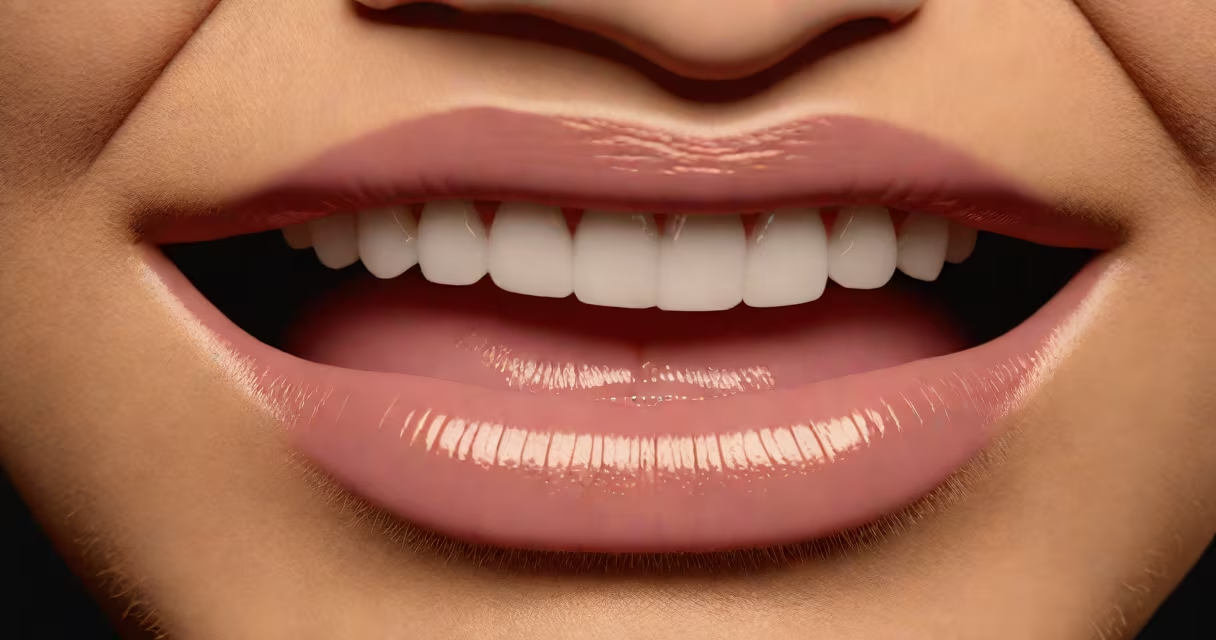
The German "r" is a consonant sound produced with the back of the tongue raised toward the soft palate, creating a guttural vibration. It is not a rolled "r" like in Spanish, nor is it silent. The sound varies by region and dialect, but the standard pronunciation uses a uvular trill or fricative.
German speakers produce the "r" using the uvula-the small tissue dangling at the back of the throat-rather than the tip of the tongue. This creates a deeper, breathy sound compared to the alveolar "r" in English. In most standard German accents, especially in northern and central regions, the "r" is articulated at the back of the mouth, near the uvula. This is known as a uvular consonant.
For learners, the key difference lies in placement: English "r" involves curling the tongue tip upward and backward, while German "r" requires relaxing the tongue and vibrating the uvula. Misplacing the tongue too far forward leads to a flat, incorrect sound. The German "r" is never pronounced like the English "r" in "run" or "car."
To produce the standard German "r," place the back of your tongue close to the soft palate without touching it. Then, gently push air through the narrow space between the tongue and the palate. This causes the uvula to vibrate, creating a low, resonant hum. The sound is similar to clearing your throat lightly or making a soft growl.
There are two common variants: the uvular trill (like a rapid vibration) and the uvular fricative (a continuous, breathy sound). In formal speech and standard German, the fricative is more common. For example, in the word Raum (room), the "r" is a sustained, breathy sound rather than a roll.
A practical exercise: try saying "ah" with your mouth open, then slowly tense the back of your tongue and breathe out. You'll feel a vibration in the back of your throat. That's the correct area of articulation. Practice this in front of a mirror to observe the lack of tongue movement at the front.
German dialects vary in how they pronounce "r." The standard pronunciation used in education and media is the uvular variant. However, regional differences exist:
| Dialect/Region | Articulation Type | Example Word | Sound Description |
|---|---|---|---|
| Standard High German (Northern/Central) | Uvular fricative | Bruder | Low, breathy hum at the back of the throat |
| Swabian (Southern Germany) | Alveolar trill | Rad | Rolling "r" made with the tip of the tongue against the ridge behind the teeth |
| Bavarian (Southern Germany) | Velar approximant | Reise | Soft, almost vowel-like sound, similar to a whispered "uh" |
Non-native speakers often mispronounce the German "r" by placing the tongue too far forward. This results in a sound resembling the English "r" or a harsh, clicking noise. A frequent error is attempting to roll the tongue like in Italian or Spanish, which produces a different acoustic quality.
Another mistake is omitting the "r" entirely in informal speech. In casual conversation, some Germans drop the "r" in unstressed syllables, particularly in spoken German. For example, er (he) may sound like "eh" in rapid speech. However, this is not acceptable in formal contexts or when learning pronunciation.
A non-obvious correction: the German "r" is not always voiced. In some cases, especially at the end of words or before certain consonants, it becomes a voiceless fricative. For example, in Stark (strong), the final "r" is quieter and less resonant. This subtle distinction affects intelligibility in fast speech.
Consider the word Wörterbuch (dictionary). The first "r" is a clear uvular fricative, while the second "r" is softer and slightly muted due to the following "b." This demonstrates how context alters the sound. The first "r" should be strong and deliberate; the second is shorter and less prominent.
I once practiced this word with a native speaker in Berlin. She corrected my initial attempt-where I had curled my tongue too much-by saying, "Not the front. The back. Like a whisper from the throat." After five minutes of repetition, the sound clicked. The key was not muscle tension but relaxation in the back of the mouth.
Use minimal pairs to train your ear: rot (red) vs. lot (lot). The difference lies in the "r" quality. "Rot" has a clear, guttural "r"; "lot" lacks it. Listening to native speakers on platforms like Deutsche Welle's German lessons helps internalize the sound.
Pronouncing the German "r" correctly improves clarity and reduces misunderstandings. According to the Goethe-Institut, misarticulated consonants like "r" are among the top reasons for reduced comprehension in spoken German. Native speakers notice incorrect "r" sounds immediately, even if other grammar and vocabulary are correct.
Research from the University of Hamburg confirms that learners who master the uvular "r" early achieve higher fluency scores in speaking assessments. The study found that 78% of participants who used correct uvular articulation were rated as "native-like" in intonation and rhythm, compared to 32% who used alveolar or English-style "r" sounds.
When practicing, record yourself and compare with native audio. Focus on the back-of-throat sensation, not the visual appearance of the mouth. The goal is not to look like you're making a sound-but to feel the vibration in the uvula.
Understanding how to pronounce German r is essential for clear communication. Mastering the uvular fricative ensures you speak with authenticity and avoid common errors that hinder recognition. With consistent practice, the sound becomes natural.