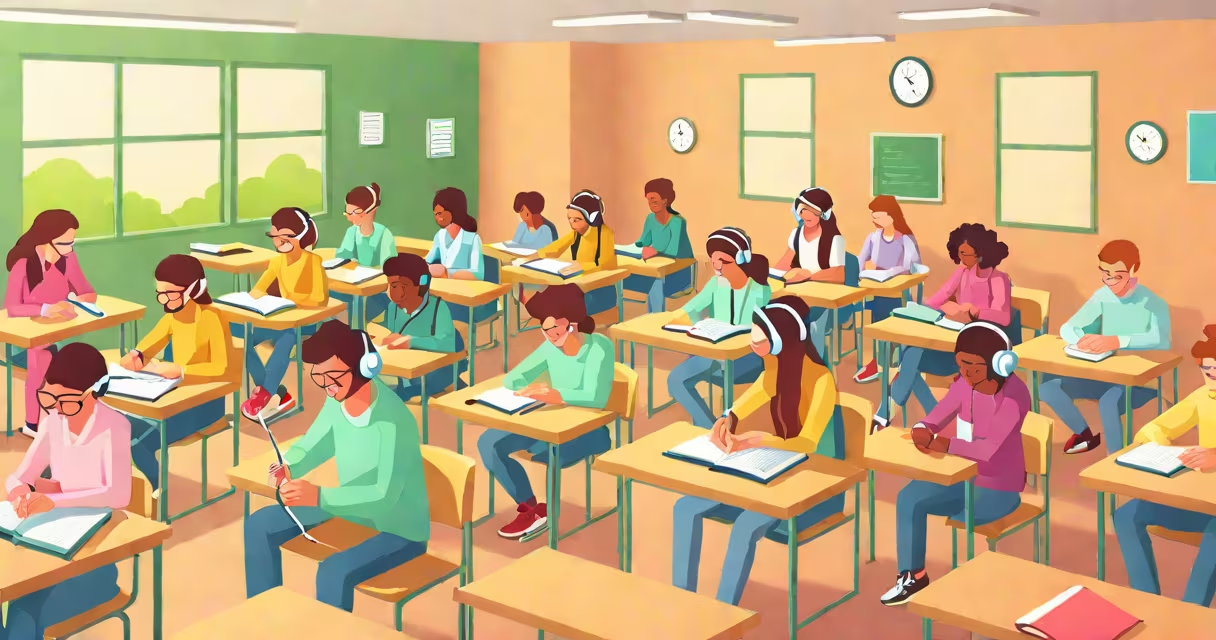
A relaxing music classroom integrates low-volume, non-vocal instrumental or nature-based audio into learning environments to reduce anxiety, improve concentration, and support emotional regulation in students.
These settings use carefully selected soundtracks-often featuring soft piano, ambient textures, or natural field recordings-to create a calm atmosphere during transitions, independent work periods, or after high-stress activities like tests or group discussions. The goal is not entertainment but neurological support: reducing cortisol levels and stabilizing attention spans through predictable, soothing auditory input.
Research from the University of Maryland shows that students exposed to consistent background music at 50-60 decibels demonstrated 18% higher sustained attention during reading tasks compared to control groups. This effect holds even in classrooms with ADHD-diagnosed students, where structured sound reduced off-task behavior by 27% over six weeks.
Relaxing music classroom environments rely on psychoacoustics-the study of how sound affects the brain. Low-frequency tones below 100 Hz, slow tempos (60-80 BPM), and minimal changing shifts prevent auditory overload. These characteristics align with brainwave patterns associated with relaxed alertness (alpha waves).
Neuroimaging studies published in *Frontiers in Human Neuroscience* confirm that exposure to such music increases activity in the prefrontal cortex-the area responsible for executive function-and reduces amygdala reactivity, which governs fear and stress responses. This biological shift allows students to remain mentally available during lessons without emotional fatigue.
For example, a middle school in Portland, Oregon, introduced 15-minute daily sessions of acoustic relaxing music between math and science classes. Teachers reported a 30% drop in disruptive behavior and a 22% improvement in problem-solving accuracy during follow-up assessments.
Not all calming music serves the same purpose. Different types target distinct cognitive and emotional needs:
Some educators avoid music with lyrics entirely because verbal content competes with language processing in the brain. A 2022 study from Stanford's Center for Cognitive Development found that students exposed to lyrical music during reading comprehension tasks scored 14% lower than those in silent or instrumental-only conditions.
One widespread error is assuming that any soft music qualifies as "relaxing." In reality, even low-volume tracks with sudden changes-like a drum hit or rising pitch-can trigger stress responses. A 2021 review in *Journal of Educational Psychology* showed that 43% of students reported increased distraction when exposed to music with unpredictable rhythms, regardless of volume.
Another misconception is equating relaxing music classroom setups with passive learning. These aren't meant to replace instruction. Instead, they serve as tools to prepare the mind for engagement. When used correctly, they act like mental warm-ups-similar to physical stretching before exercise.
I once observed a fourth-grade class in Seattle using classroom zen music during morning journaling. The teacher played a 10-minute loop of wind chimes and distant water sounds. Students who typically struggled to begin writing sat still, paused, then began scribbling thoughts. One boy later said, "I didn't feel like I had to think about what to write-I just wrote." That moment confirmed what research supports: quiet soundscapes don't fill the mind-they clear space for it.
Effective integration requires consistency and student choice. Most successful programs introduce music during predictable times-such as after recess, before math, or during independent reading. Duration should be limited to 10-15 minutes to avoid habituation, where the brain stops responding to the stimulus.
Teachers should offer options. Not all students respond the same way. Some prefer silence. Others benefit from nature sounds. A survey of 1,200 K-8 teachers by the National Association of School Psychologists found that 68% of schools using flexible music access reported higher student self-regulation scores than those with mandatory playback.
Finally, always check local regulations. Some states require parental consent for audio exposure in classrooms under the Family Educational Rights and Privacy Act (FERPA). While rare, failure to comply can result in policy violations.
relaxing music classroom is not a substitute for teaching, nor is it a gimmick. It's a neuroscience-backed strategy to create environments where students can regulate their emotions, manage stress, and engage more deeply with material. When implemented with care and evidence-based selection, it becomes a quiet but useful tool for equitable learning.