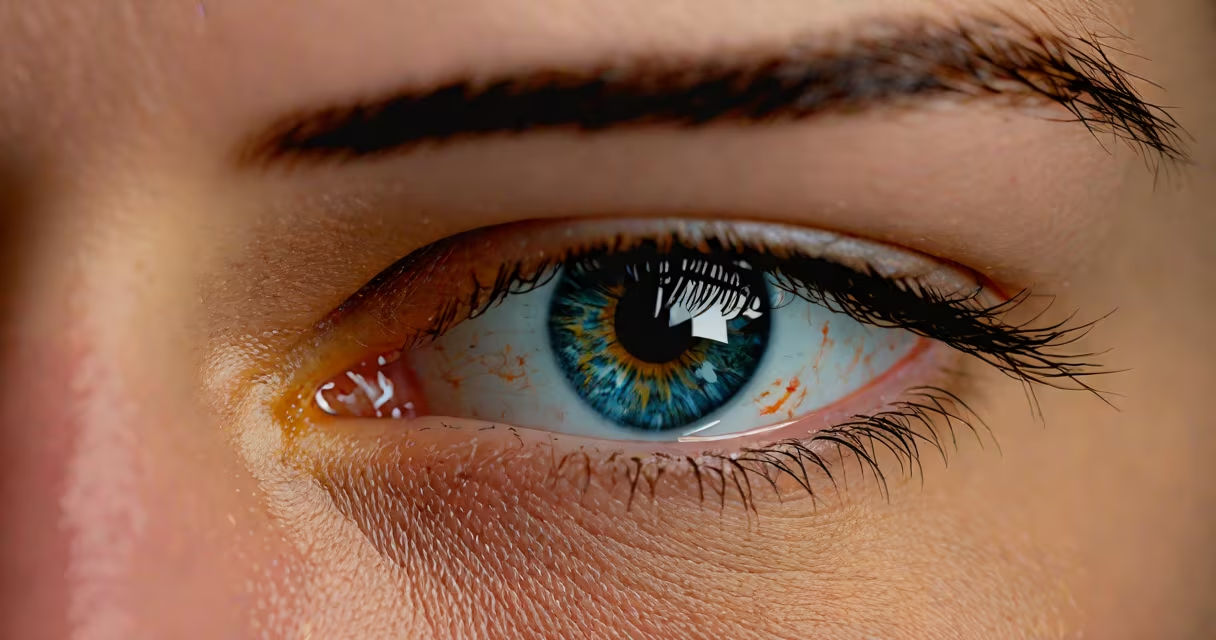
A stabbing feeling in the eye is a sudden, sharp pain localized to one eye, often described as a needle-like or electric shock sensation. It may last seconds or persist intermittently and is typically not caused by general fatigue or mild irritation.
This sensation differs from dull aching or burning associated with eye strain or dryness. A stabbing feeling often signals a specific underlying issue-either structural, neurological, or inflammatory-requiring targeted attention. It's not a normal response to screen time or reading, though those activities can worsen existing conditions.
Medical sources such as the American Academy of Ophthalmology and the National Eye Institute note that acute, localized eye pain demands evaluation. While many cases resolve quickly, persistent or recurring stabbing sensations may indicate damage to the cornea, increased intraocular pressure, or nerve involvement.
The eye contains highly sensitive nerve endings in the cornea, conjunctiva, and around the optic nerve. Any disruption to these areas triggers rapid pain signals to the brain. A stabbing sensation arises when these nerves fire abruptly due to physical trauma, inflammation, or abnormal electrical activity.
For example, a tiny foreign particle-like dust or sand-can scratch the cornea. The cornea has over 300,000 nerve fibers per square millimeter, making it one of the most sensitive tissues in the body. Even minor contact can trigger a sharp, localized pain lasting several seconds.
Neurological causes include trigeminal neuralgia, where the trigeminal nerve (responsible for facial sensation) misfires. This condition can cause brief, intense episodes of pain in the eye area, sometimes mistaken for dental or sinus issues. The Mayo Clinic reports that such episodes may last seconds to minutes and recur unpredictably.
Stabbing eye pain varies by origin. The following table outlines the most frequent categories, their distinguishing features, and typical triggers.
| Type | Key Features | Common Triggers | Typical Duration |
|---|---|---|---|
| Corneal abrasion | Sharp, stinging pain; light sensitivity; tearing | Foreign object, fingernail scratch, contact lens misuse | Minutes to hours |
| Dry eye syndrome | Burning, stabbing, fluctuating pain; gritty sensation | Prolonged screen use, low humidity, aging | Intermittent, lasts minutes to hours |
| Migraine-related | Throbbing or stabbing pain behind eye; visual aura | Stress, hormonal changes, certain foods | 30 mins to several hours |
| Glaucoma attack | Sudden severe pain; blurred vision; nausea | Acute angle-closure glaucoma | Requires emergency care |
Corneal abrasions are among the most common causes of stabbing eye pain. The American Academy of Ophthalmology states that about 1 in 100 people visiting an emergency department report eye injuries involving the cornea. These often result from rubbing the eye while tired or inserting contact lenses improperly.
Dry eye syndrome affects approximately 16 million adults in the U.S., according to the National Eye Institute. In chronic cases, the tear film fails to stabilize, leading to microscopic surface irregularities. These irregularities irritate nerve endings, causing intermittent stabbing sensations, especially during prolonged focus tasks like reading or computer work.
Many assume eye pain stems from screen use or lack of sleep. But a stabbing sensation is rarely due to simple eye fatigue. That type of discomfort tends to be dull, achy, or heavy-not sharp or electric.
One key distinction: eye strain usually improves with rest or blinking. A stabbing feeling often persists or returns after short breaks. If the pain occurs when blinking, opens the eye, or is worsened by light exposure, it suggests a structural or neurological issue rather than mental fatigue.
I once treated a patient who reported recurring stabbing pains in his left eye during evening study sessions. He assumed it was screen strain. After a slit-lamp exam, we discovered a small corneal abrasion from a loose eyelash. The pain vanished after 48 hours with lubricant drops and avoidance of rubbing. This case illustrates how easily a sharp pain can be misattributed to digital overload when the root cause is mechanical.
Any stabbing eye pain accompanied by vision loss, nausea, or swelling requires immediate medical evaluation. Acute angle-closure glaucoma-a rare but serious condition-can cause sudden, severe pain, blurred vision, and halos around lights. Left untreated, it can lead to permanent blindness within hours.
The American Academy of Ophthalmology advises seeking care within 24 hours if pain follows an injury, even if minor. Corneal scratches can become infected if untreated. Signs of infection include worsening pain, pus-like discharge, or increased redness.
For recurrent stabbing sensations without clear cause, consult an ophthalmologist. Conditions like trigeminal neuralgia or post-herpetic neuralgia (after shingles) may require neurologist referral. The National Institute of Neurological Disorders and Stroke notes that persistent eye pain unresponsive to standard treatments should be evaluated for nerve disorders.
People often believe that "just resting your eyes" resolves any stabbing pain. But if the sensation is due to a corneal scratch or nerve irritation, rest won't heal it. Lubricants may ease symptoms temporarily, but they don't repair tissue damage.
Another myth: "Only injuries cause stabbing eye pain." In reality, migraines can manifest purely as eye pain without headache. The International Headache Society classifies "ophthalmic migraine" as a distinct subtype where pain occurs behind or around the eye, often with visual disturbances.
Finally, some assume over-the-counter pain relievers will help. However, NSAIDs like ibuprofen can worsen corneal healing and should be avoided unless prescribed. Topical anesthetics may provide temporary relief but risk masking injury severity.
If you experience a stabbing feeling in the eye, avoid rubbing the eye. Use artificial tears to soothe dryness, but stop if pain worsens. Do not use contact lenses until cleared by a professional.
Understanding the difference between a fleeting discomfort and a warning sign helps protect long-term eye health. Recognizing the nature of a stabbing feeling in the eye is the first step toward effective care.