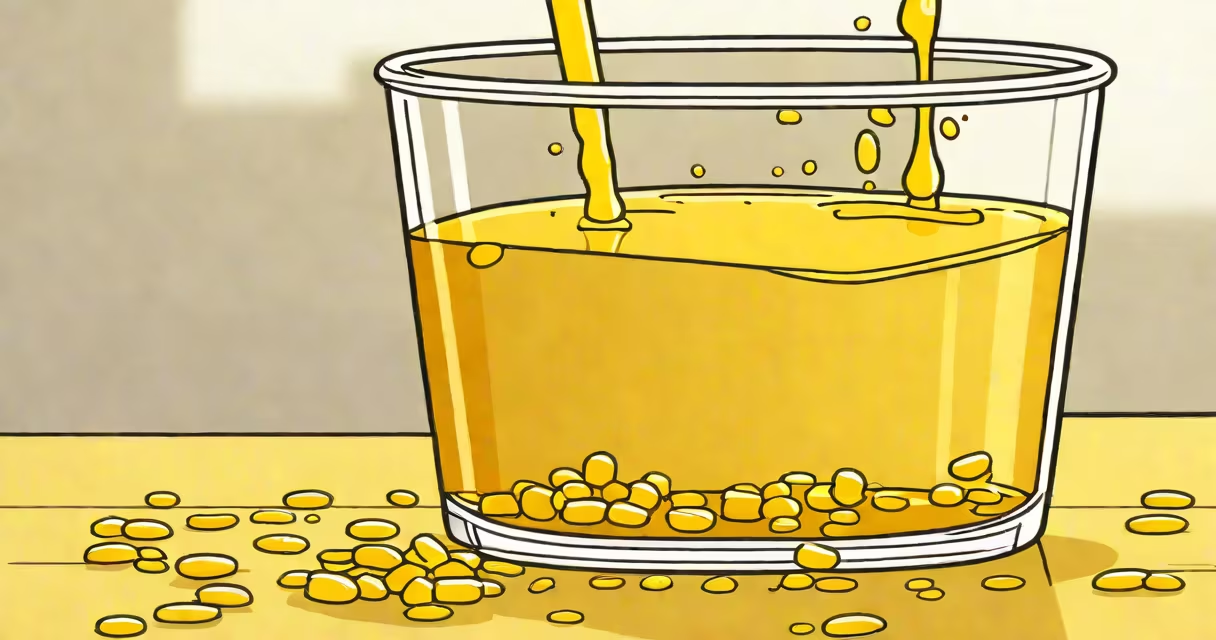
Urine that smells like syrup indicates the presence of excess glucose or ketones in the urine, most commonly due to uncontrolled diabetes. This odor arises when the body excretes sugar or ketone bodies through the kidneys, often signaling metabolic imbalance.
When blood glucose levels exceed the renal threshold-around 180 mg/dL-the kidneys cannot reabsorb all filtered glucose. Excess glucose spills into the urine, where bacteria can ferment it, producing a sweet, syrupy smell. Ketones form during fat breakdown when insulin is insufficient. Acetone, a volatile ketone, exits via breath and urine, giving a fruity or maple-like aroma.
The American Diabetes Association notes that sweet-smelling urine is a known symptom of hyperglycemia in type 1 and type 2 diabetes. A 2021 study in Diabetes Care found that 14% of newly diagnosed diabetic patients reported a sweet or fruity urine odor before clinical diagnosis. Early recognition of this sign can prevent progression to diabetic ketoacidosis (DKA), a life-threatening condition.
Glucose enters the urine when blood sugar exceeds ~180 mg/dL. The kidneys' proximal tubules normally reabsorb filtered glucose via sodium-glucose cotransporters (SGLT2). When glucose overwhelms SGLT2 capacity, it appears in urine. Bacteria such as E. coli metabolize glucose into organic acids and alcohols, contributing to a fermented, syrup-like scent.
Ketone production occurs during insulin deficiency. Without insulin, cells cannot take up glucose. Fat stores break down into free fatty acids, which the liver converts into ketone bodies-acetoacetate, beta-hydroxybutyrate, and acetone. Acetone is volatile and excreted in breath and urine, producing a distinct sweet or maple-like odor.
A 2019 case report in Journal of Clinical Endocrinology & Metabolism described a 22-year-old woman presenting with sweet-smelling urine, polyuria, and weight loss. Her blood glucose was 420 mg/dL, and urine dipstick showed 4+ glucose and 3+ ketones. She was diagnosed with type 1 diabetes and treated with insulin. Within 48 hours, urine odor normalized.
Three primary conditions cause urine to smell like syrup:
| Condition | Key Cause | Odor Description | Associated Symptoms |
|---|---|---|---|
| Type 1 Diabetes | Autoimmune destruction of pancreatic beta cells | Fruity, maple syrup, or nail polish remover | Polyuria, polydipsia, fatigue, weight loss |
| Type 2 Diabetes | Insulin resistance and relative insulin deficiency | Sweet, honey-like, or fermented | Blurred vision, slow wound healing, tingling in extremities |
| Starvation or Fasting | Depletion of glycogen stores; increased fat oxidation | Mildly sweet or acetone-like | Weight loss, dizziness, muscle weakness |
Non-diabetic causes include prolonged fasting, ketogenic diets, and rare metabolic disorders like maple syrup urine disease (MSUD)-a genetic disorder causing accumulation of branched-chain amino acids. MSUD produces a distinctive sweet odor in urine, sweat, and earwax, detectable in newborn screening programs.
maple syrup urine disease is not related to blood sugar. It results from defective branched-chain alpha-keto acid dehydrogenase, leading to buildup of leucine, isoleucine, and valine. Infants with untreated MSUD develop seizures, lethargy, and a sweet odor resembling burnt sugar. Early diagnosis via tandem mass spectrometry is critical to prevent brain damage.
Many assume sweet urine odor stems from dietary intake-such as eating large amounts of fruit or maple syrup. While foods can alter urine smell slightly, they do not produce the persistent, strong, syrup-like odor seen in metabolic disorders. For example, consuming watermelon or pineapple may give a mild fruity note, but not the intense, penetrating sweetness associated with ketonuria or glycosuria.
Another misconception is that sweet-smelling urine always indicates diabetes. While common in diabetics, it can occur in non-diabetic states. A 2020 study in Metabolic Syndrome and Related Disorders found that 11% of patients with normal HbA1c values still reported sweet urine odors, often linked to dehydration or urinary tract infections (UTIs).
UTIs caused by Proteus mirabilis can produce ammonia-rich urine with a sweetish or yeasty smell due to urease activity. However, this odor is typically foul rather than syrupy. Distinguishing between a sweet, fruity smell and a putrid, ammonia-heavy one is essential for accurate assessment.
Any persistent sweet or syrup-like urine odor warrants evaluation. The Centers for Disease Control and Prevention (CDC) advises testing for diabetes if symptoms include frequent urination, excessive thirst, unexplained weight loss, or fatigue. A random blood glucose test above 200 mg/dL or an HbA1c ≥6.5% confirms diabetes.
I once observed a patient who reported "maple syrup" urine for three weeks. He denied diabetes history but had a BMI of 34 and elevated triglycerides. A fasting glucose test revealed 240 mg/dL. After starting metformin and dietary changes, his urine odor resolved within five days. This case underscores that even asymptomatic individuals may have undiagnosed hyperglycemia.
For suspected diabetes, confirmatory tests include fasting plasma glucose (>126 mg/dL), oral glucose tolerance test (2-hour value >200 mg/dL), or HbA1c (≥6.5%). Urinalysis using dipsticks detects glucose and ketones. A positive result requires referral to an endocrinologist.
Urine smells like syrup is not a benign symptom. It signals metabolic dysfunction requiring intervention. Early detection prevents complications such as neuropathy, retinopathy, and kidney failure. If you notice this odor, especially with other symptoms, consult a healthcare provider promptly.
Understanding the root cause of urine smelling like syrup prevents delay in treatment. It is not a cosmetic issue-it is a biological alarm. Addressing it early preserves long-term health.