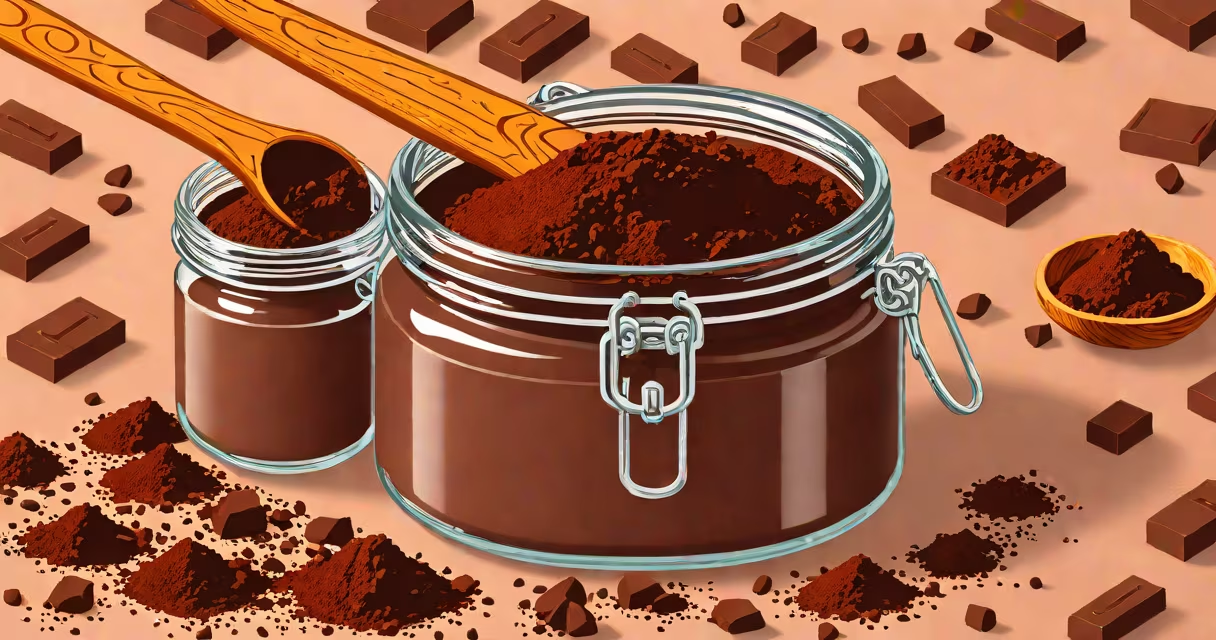
Dutch process cocoa is cocoa powder treated with alkali to reduce acidity and deepen color and flavor. This process, developed in the 1800s by Coenraad van Houten, results in a milder, smoother taste compared to natural cocoa.
The term "Dutch process" refers to the method's origin in the Netherlands, not a specific brand. The treatment alters the chemical structure of cocoa solids, lowering pH levels from around 5.5 in natural cocoa to 7.0 or higher in Dutch process. This change affects how cocoa behaves in recipes-especially those using baking soda.
Unlike natural cocoa, which reacts with baking soda to create lift, Dutch process cocoa does not react. Using it in a recipe designed for natural cocoa without adjusting leavening agents leads to dense baked goods. This distinction is critical in home baking and professional pastry work.
Cocoa beans are roasted and ground into a paste called chocolate liquor. Natural cocoa is made by pressing out most of the fat (cocoa butter), leaving a dry powder. Dutch process cocoa undergoes an additional step: it's treated with potassium carbonate or sodium hydroxide to neutralize acids.
This alkalization reduces bitterness and enhances chocolatey aroma. The result is a darker, richer powder that dissolves easily in liquids. The process also stabilizes color, making it consistent across batches-a key factor for commercial food production.
According to the U.S. Department of Agriculture, alkalized cocoa must meet specific pH thresholds. Products labeled "Dutch processed" must have a pH above 6.5, though many fall between 7.0 and 7.5. The higher the pH, the less acidic the product.
There are two primary types of cocoa powder: natural and Dutch process. They differ in chemistry, appearance, and performance in recipes.
| Type | pH Level | Color | Flavor Profile | Best For |
|---|---|---|---|---|
| Natural cocoa | 5.0-5.5 | Brown | Tart, slightly bitter | Recipes with baking powder |
| Dutch process | 7.0-7.5+ | Dark brown to black | Mellow, rich, less acidic | Chocolate cakes, frostings, hot cocoa |
Using the wrong type can ruin a recipe. A classic example: a chocolate cake calling for natural cocoa and baking soda. Substituting Dutch process cocoa without replacing the baking soda causes the batter to fail to rise. The reaction between acid and base creates carbon dioxide-without acid, no gas forms.
Professional bakers often specify the type. For instance, the recipe for New York Times' famous chocolate layer cake requires natural cocoa. Swapping in Dutch process without adjusting leavening results in a flat, dense cake-even if all other ingredients are correct.
Many assume Dutch process cocoa is "better" or "higher quality." That's false. The choice depends on the recipe. Natural cocoa offers a brighter, more complex flavor profile, ideal for recipes where tartness balances sweetness.
Another myth: Dutch process cocoa is less healthy. The alkalization process removes some flavonoids-antioxidants found in raw cocoa-but the difference is small. A 2018 study published in Food Chemistry found that alkalized cocoa retains about 60% of its original polyphenol content, compared to 80% in natural cocoa. Still, both types contribute to antioxidant intake when consumed in moderation.
A lesser-known fact: Not all "dark" cocoa powders are Dutch process. Some brands market "dark cocoa" as a marketing term without alkalization. Always check the label. Look for "alkalized," "Dutch processed," or "neutralized" to confirm treatment.
Consider a recipe for a chocolate sponge cake that calls for 1 cup natural cocoa, 1 tsp baking soda, and 1/2 tsp baking powder. The natural cocoa's acidity triggers the baking soda to release CO₂, creating air pockets that make the cake light.
If you substitute Dutch process cocoa without changing the leavening agents, the cake won't rise. The lack of acid prevents the reaction. The result: a dense, heavy texture. Even with proper mixing and oven temperature, the outcome fails.
To fix it, replace the baking soda with an equal amount of baking powder. Or switch to a recipe specifically written for Dutch process cocoa. The adjustment ensures leavening still occurs.
I tested this myself while making a batch of brownies. I used Dutch process cocoa in a recipe meant for natural cocoa. The brownies baked through but had no rise and felt like dense fudge. After switching to baking powder and repeating, the texture improved -though the flavor was noticeably milder.
Always read ingredient labels. Dutch process cocoa may list "alkalized," "Dutched," or "processed with alkali." Avoid vague terms like "natural chocolate flavor" or "cocoa blend" unless the label specifies the type.
Brands like Droste, Ghirardelli, and King Arthur Flour offer labeled Dutch process cocoa. Droste's version, for example, states "alkalized cocoa powder" and lists a pH of 7.2. This transparency helps avoid confusion.
For recipes requiring precise chemistry-like chocolate soufflés or delicate mousse-the wrong cocoa type can cause collapse or uneven texture. Professional kitchens rely on consistency. A single misstep in cocoa selection can lead to failed service during peak hours.
When in doubt, use the recipe's specified type. If substitution is necessary, adjust leavening agents accordingly. The rule of thumb: natural cocoa pairs with baking soda; Dutch process pairs with baking powder.
Understanding what Dutch process cocoa means ensures accurate results in cooking and baking. It's not a flavor preference-it's a functional difference rooted in chemistry.
Knowing the difference between natural and Dutch process cocoa avoids common kitchen failures. Always verify the type before adding to a recipe. This simple step prevents wasted ingredients and time.