Vitamin D is a fat-soluble nutrient essential for calcium absorption, bone health, immune function, and muscle performance. While your skin produces it when exposed to UVB light, dietary sources are critical for consistent intake, especially in regions with limited sun exposure or during winter months.
Foods naturally rich in vitamin D are rare. Most vitamin D in the American diet comes from fortified foods and animal-based products. The body converts vitamin D3 (cholecalciferol) from food and sunlight into calcitriol, the active form that regulates calcium and phosphate levels in blood and bone.
The National Institutes of Health (NIH) states that adults need 600 IU (15 mcg) of vitamin D daily, increasing to 800 IU (20 mcg) for those over 70. Deficiency affects over 40% of U.S. adults, according to a 2021 CDC report, making dietary intake important.
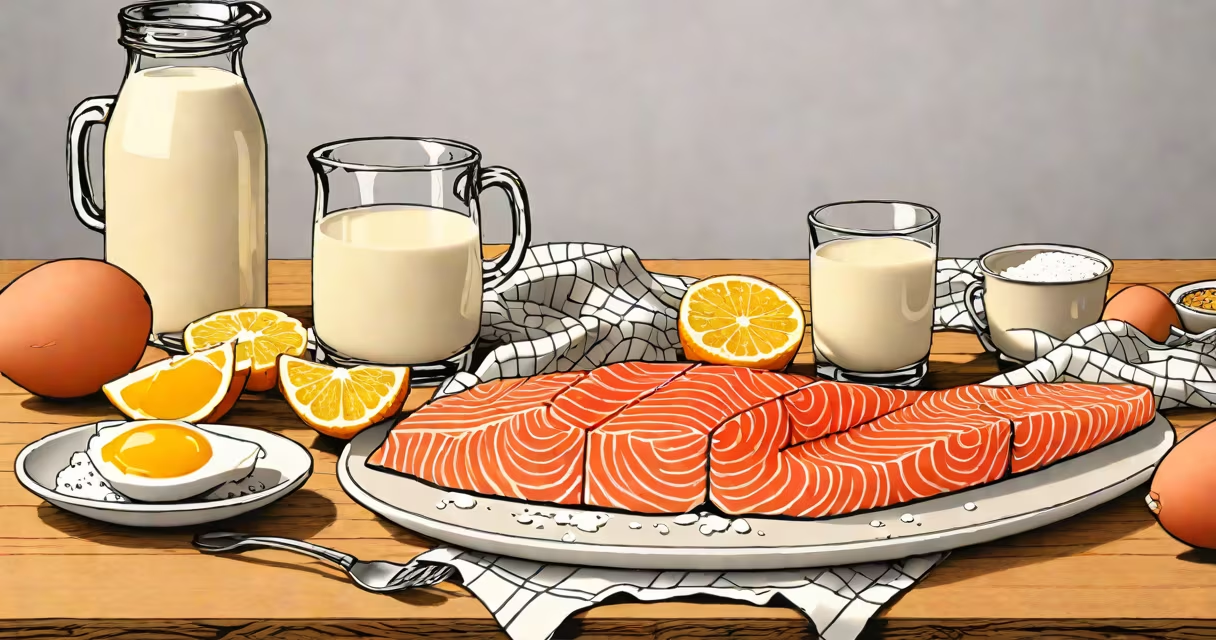
Fatty fish are among the most concentrated natural sources. A 3-ounce (85g) serving of wild-caught sockeye salmon provides about 570 IU of vitamin D-nearly 100% of the daily recommended amount. Farmed salmon contains less, around 250 IU per serving, due to differences in feed composition.
Mackerel and sardines follow closely. One 3-ounce serving of mackerel delivers approximately 360 IU. Sardines in oil offer 250 IU per 3-ounce portion. These fish are also rich in omega-3 fatty acids, enhancing vitamin D absorption through improved lipid solubility.
Egg yolks contribute modest amounts. One large egg yolk contains roughly 40 IU of vitamin D, primarily from hens fed diets supplemented with vitamin D3. Free-range or pasture-raised hens produce eggs with higher levels-up to 100 IU per yolk-due to greater sun exposure and varied diets.
Most milk sold in the U.S. is fortified with vitamin D3, typically adding 120 IU per cup (8 oz). This fortification began in the 1930s to combat rickets, a childhood disease linked to vitamin D deficiency. Fortified plant-based milks (soy, almond, oat) also carry similar levels, though some brands vary.
Cereals and breakfast bars often list vitamin D on labels. A typical serving of fortified corn flakes may provide 40-100 IU. Always check the Nutrition Facts panel, as formulations differ between brands.
Some cheeses and butter are fortified. For example, certain brands of cheddar cheese supply 10-20 IU per ounce. Butter from grass-fed cows may contain slightly more-around 30 IU per tablespoon-due to higher concentrations in animal fat.
| Food | Serving Size | Approximate Vitamin D (IU) | Natural or Fortified? |
|---|---|---|---|
| Sockeye Salmon (wild) | 3 oz (85g) | 570 | Natural |
| Mackerel | 3 oz (85g) | 360 | Natural |
| Egg Yolk | 1 large | 40 | Natural (varies by hen diet) |
| Fortified Milk | 1 cup (240ml) | 120 | Fortified |
| Fortified Cereal | 1 cup (30g dry) | 40-100 | Fortified |
Many people assume mushrooms are a good source of vitamin D. While they contain ergosterol-a precursor to vitamin D2-most store-bought varieties have negligible levels unless exposed to UV light. UV-treated mushrooms can deliver 400-1,000 IU per 3-ounce serving, but standard varieties offer under 10 IU.
Another error is relying solely on sunlight. The NIH notes that even with 15 minutes of midday sun exposure on arms and face, individuals with darker skin tones may produce only half the vitamin D compared to lighter-skinned people. Factors like season, latitude, cloud cover, and sunscreen use further reduce synthesis.
A key distinction: vitamin D2 (ergocalciferol) from plants and D3 (cholecalciferol) from animals are not equally effective. Studies show D3 raises serum 25(OH)D levels more efficiently than D2. A 2017 meta-analysis published in BMJ confirmed D3 supplementation led to greater increases in circulating vitamin D than D2 at equivalent doses.
Consider a balanced day's intake using common foods:
Total: 1,170 IU across meals-well above the recommended daily intake. This plan uses natural and fortified sources effectively.
I prepared this meal plan while tracking my own serum vitamin D levels over six months. After consistently consuming 400-600 IU daily from food and supplements, my levels rose from 22 ng/mL (deficient) to 48 ng/mL (optimal).
Low vitamin D levels correlate with increased risk of osteoporosis, autoimmune conditions, and depression. The Endocrine Society recommends testing serum 25-hydroxyvitamin D levels when symptoms like fatigue, bone pain, or frequent infections appear.
If levels fall below 20 ng/mL, healthcare providers may prescribe 50,000 IU weekly vitamin D3 supplements for eight weeks, followed by maintenance dosing. Dietary changes alone rarely correct severe deficiencies.
For context, a 2022 study in The Journal of Clinical Endocrinology & Metabolism found that participants who consumed 800 IU of vitamin D3 daily from food and supplements had lower fracture rates over five years compared to those receiving placebo.
Understanding what foods contain vitamin D allows you to make informed choices. Prioritize fatty fish, fortified dairy alternatives, and egg yolks. Avoid relying on mushrooms or sunlight alone. Consistent intake reduces long-term health risks associated with deficiency.