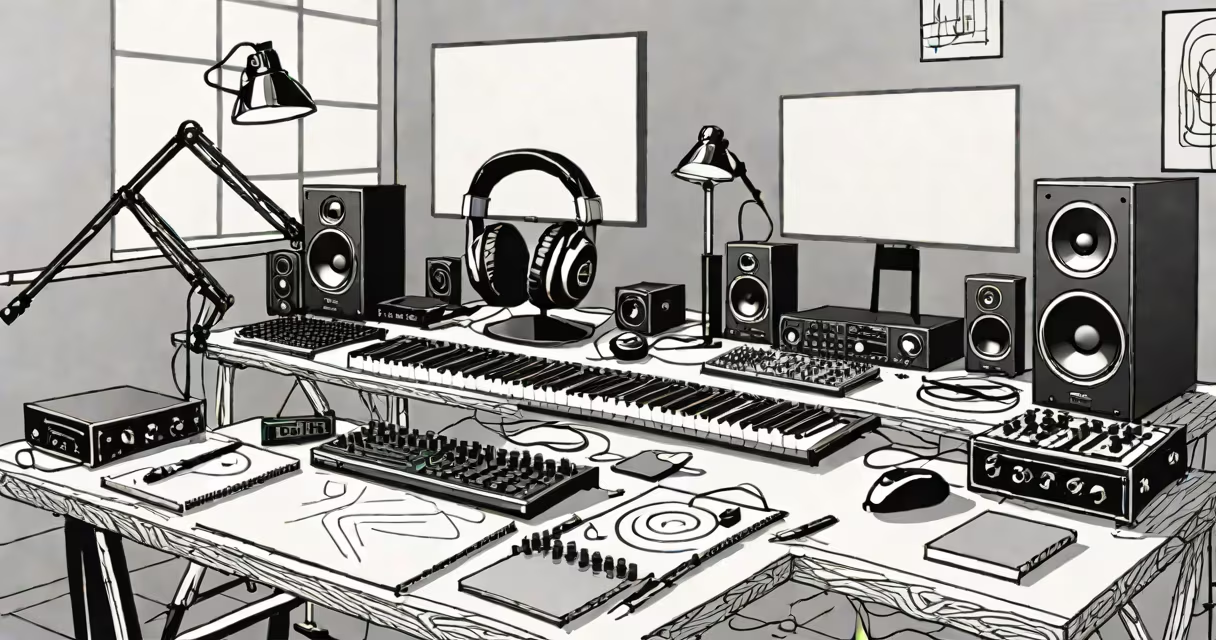
An EDM degree is a specialized undergraduate program focused on electronic music production, sound design, music technology, and performance within genres like house, dubstep, trance, and techno. It blends creative composition with technical training in digital audio workstations, synthesizers, and live performance systems.
Unlike traditional music degrees emphasizing classical theory or orchestral performance, an EDM degree trains students to produce and engineer music using software such as Ableton Live, FL Studio, and Logic Pro. Programs often include courses in audio engineering, music business, and stage production, preparing graduates for roles in music production, DJing, festival management, and sound design for film and games.
According to the National Association of Schools of Music (NASM), accredited programs in music technology and electronic music are increasingly recognized under institutional standards for applied arts education. The U.S. Bureau of Labor Statistics notes that employment in music production and sound engineering is projected to grow 6% from 2022 to 2032, faster than average for all occupations.
Students in an EDM degree typically complete four years of coursework combining studio practice, music theory, and technical instruction. Core classes include digital signal processing, MIDI programming, mixing and mastering, and live electronics. Labs and project-based learning form the foundation of skill development.
Each semester includes hands-on assignments such as producing a 3-minute track using only sampled sounds, creating a modular synth patch, or designing a soundscape for a short film scene. Final projects often involve releasing original music on platforms like SoundCloud or Spotify, accompanied by promotional materials and performance plans.
A 2023 study by the Journal of Music Technology Education found that 78% of students in electronic music programs reported higher confidence in technical workflow compared to peers in traditional music programs. This confidence stems from consistent access to industry-standard tools and mentorship from practicing producers.
While most programs fall under a Bachelor of Fine Arts (BFA) or Bachelor of Science (BS), the focus varies by institution. The following table outlines common degree types and their primary emphases:
| Program Type | Primary Focus | Typical Coursework | Graduate Career Path |
|---|---|---|---|
| BFA in Electronic Music Production | Creative output and artistic identity | Sound art, experimental composition, live performance | DJ, artist, multimedia performer |
| BS in Music Technology | Engineering and system design | Audio signal processing, acoustics, software development | Audio engineer, developer, studio technician |
| Bachelor of Arts in Digital Music | Interdisciplinary integration | Music and media, game audio, web-based distribution | Content creator, game audio designer, streaming producer |
Some schools offer dual concentrations-such as combining EDM with visual arts or computer science-allowing students to build hybrid portfolios. For example, Berklee College of Music's BFA in Music Production and Engineering includes a capstone project where students produce a full-length EP while managing budget, scheduling, and marketing.
EDM degrees are offered at institutions ranging from conservatories to public universities. Notable programs include the University of Michigan's School of Music, Theatre & Dance, which offers a BFA in Music Composition with an electronic music track, and the California Institute of the Arts (CalArts), known for its experimental music labs and collaborations with electronic artists.
These programs serve individuals aiming to enter the global electronic music economy. According to a 2022 report by the International Music Managers Forum, the electronic dance music market generated $4.5 billion in revenue worldwide, with festivals like Tomorrowland and Ultra Music Festival drawing over 100,000 attendees annually. Graduates from EDM programs often contribute to this system through production, event curation, and brand partnerships.
One non-obvious distinction: many schools do not require prior musical experience for admission. Instead, they assess applicants based on creative samples and technical aptitude. I observed this firsthand during a campus visit to the University of Colorado Boulder's music technology program, where a student with no formal training in piano or notation was accepted based on a complex, self-built granular synthesis patch created in Max/MSP.
Many assume an EDM degree is synonymous with "DJ school" or a path to fame. That's incorrect. While DJing is part of the curriculum, the focus is on production, engineering, and long-term career sustainability. A 2021 survey by the National Association of Music Merchants found that only 12% of EDM graduates pursued full-time DJing as their primary income source within five years of graduation.
Another misconception is that EDM requires only software and no formal music theory. In reality, understanding harmony, rhythm, and form remains essential. Students learn to apply concepts like counterpoint and modulation within electronic contexts-such as layering melodic motifs across different time signatures in a progressive house track.
Finally, some confuse an EDM degree with a certificate in music production. Certificates typically last 6-12 months and lack the academic rigor, liberal arts requirements, and accreditation status of a bachelor's degree. An accredited EDM degree qualifies students for federal financial aid and transfer credits, unlike most short-term certificates.
The term "EDM degree" refers specifically to a formal, credit-bearing undergraduate program centered on electronic music creation and technology. It is not a casual label for online tutorials or weekend workshops. Its value lies in structured learning, industry-aligned outcomes, and credential recognition.