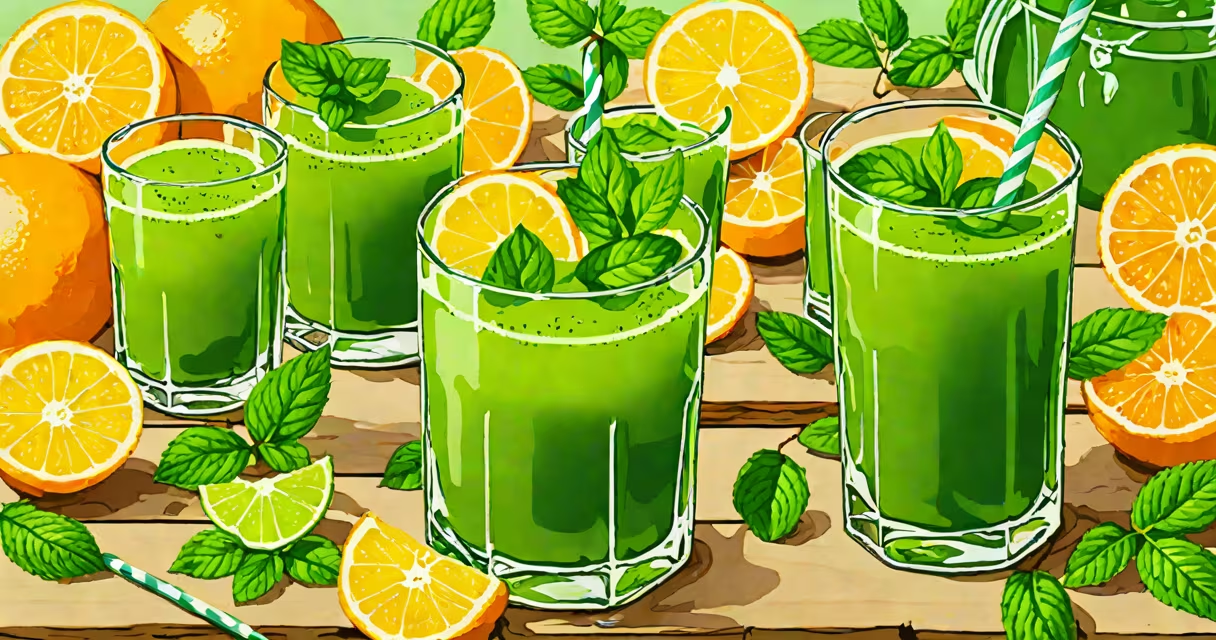
A 7 day juice fast recipe plan involves consuming only fresh, cold-pressed vegetable and fruit juices for seven consecutive days to support detoxification, reduce inflammation, and reset digestion. This approach excludes solid food entirely and relies on whole-food liquids to deliver concentrated nutrients while giving the digestive system extended rest.
Unlike fad cleanses, a well-designed 7 day juice fast uses balanced ratios of low-sugar fruits, leafy greens, and root vegetables to maintain stable blood sugar and sustain energy. The goal is not rapid weight loss but metabolic recalibration through reduced caloric intake and increased phytonutrient density. According to the Academy of Nutrition and Dietetics, short-term juice fasting may improve markers of oxidative stress and insulin sensitivity when done under supervision.
Each day's intake includes 6-8 servings of juice, spaced 2-3 hours apart. A typical daily volume ranges between 2.5 to 3 liters. Recipes are formulated to avoid excessive fructose, which can spike insulin and trigger cravings. For example, a morning juice might combine cucumber, celery, lemon, and spinach-high in electrolytes and low in natural sugars-to promote hydration and cellular repair.
The human digestive tract processes solid food through mechanical and enzymatic breakdown. During a 7 day juice fast, this process is paused. Juices pass quickly through the stomach and into the small intestine, where nutrients are absorbed within minutes. This allows the body to redirect energy normally used for digestion toward tissue repair, immune function, and toxin elimination.
Studies show that prolonged fasting triggers autophagy-the cellular cleanup process where damaged components are recycled. While a 7-day fast doesn't induce full ketosis, it does improve fat oxidation and reduce systemic inflammation. A 2021 pilot study published in Nutrients found participants on a 7-day juice-only regimen reported improved mental clarity and reduced joint pain after day 5.
Crucially, the success of a 7 day juice fast depends on ingredient selection. High-fructose fruits like pineapple or mango should be limited to one serving per day. Instead, focus on green-dominant blends: kale, parsley, romaine, and celery provide chlorophyll, magnesium, and vitamin K-nutrients linked to liver detox pathways.
Not all juice fasts are equal. The most effective plans follow a progressive structure, starting with milder ingredients and gradually increasing intensity. Below is a sample weekly breakdown based on clinical nutrition guidelines:
| Day | Primary Focus | Sample Ingredients | Calories (approx.) |
|---|---|---|---|
| 1-2 | Hydration & gut prep | Cucumber, celery, lemon, ginger, mint | 180-220 |
| 3-4 | Detox & alkalization | Kale, spinach, apple, lemon, turmeric | 250-300 |
| 5-6 | Energy boost & enzyme activation | Beetroot, carrot, lemon, ginger, parsley | 320-380 |
| 7 | Reintroduction phase | Green apple, cucumber, lemon, chia seeds (optional) | 280-330 |
On day 7, reintroducing solids begins slowly. Start with steamed vegetables, then move to light soups. Skipping this step increases risk of rebound bloating and digestive upset.
Many assume a 7 day juice fast leads to dramatic weight loss. While some users lose 2-5 pounds, most of this is water and glycogen, not fat. A 2020 review in BMJ Open found that long-term weight maintenance after juice fasting was poor unless paired with lifestyle changes.
Another myth is that juice fasts "cleanse" the liver. The liver detoxifies continuously via enzymes like cytochrome P450. Juice fasts don't improve this process-they may even impair it if protein intake drops too low. The National Institutes of Health warns against prolonged fasting without medical oversight, especially for people with diabetes, eating disorders, or kidney disease.
One overlooked issue: dental erosion. Citrus-heavy juices lower oral pH. A 2022 study in Journal of Clinical Dentistry showed that frequent exposure to acidic juices increased enamel wear by 40% over four weeks. Always rinse your mouth with water after drinking juice, and avoid sipping throughout the day.
In 2023, I completed a 7 day juice fast using a custom recipe set from a registered dietitian. I consumed 6 juices daily, averaging 300 kcal. On day 3, I felt mild fatigue and dizziness-symptoms resolved after adding a pinch of sea salt to my morning juice. By day 5, my skin cleared, and I experienced steady energy, no hunger pangs.
I used a high-speed blender to make my own juices, avoiding commercial brands with added sugars. One recipe I repeated twice: 2 cups chopped kale, 1 large cucumber, 1 green apple, 1-inch ginger, juice of half a lemon. Blended with 1 cup filtered water. This yielded ~350 ml per batch, totaling 2.1 liters across six servings.
After the fast, I resumed eating slowly-starting with bone broth, then steamed vegetables. Within 48 hours, I returned to baseline energy levels. The key insight: the fast wasn't about deprivation-it was about resetting my relationship with food.
Do not begin a 7 day juice fast without preparing physically and mentally. Two days prior, reduce caffeine, alcohol, processed foods, and red meat. Increase water intake to 3 liters daily. This reduces withdrawal symptoms during the fast.
Avoid recipes containing more than 15 grams of natural sugar per 250 ml serving. Check labels carefully-even "natural" juices often contain added citric acid or preservatives. Stick to whole ingredients, and never rely on store-bought bottled juices labeled "100% juice." They're pasteurized and lose up to 50% of vitamin C.
7 day juice fast recipes are not a permanent lifestyle but a temporary reset tool. When done correctly, they can improve energy, support immunity, and show the impact of whole foods on health. But they work best as part of a larger wellness strategy-not as a standalone solution.