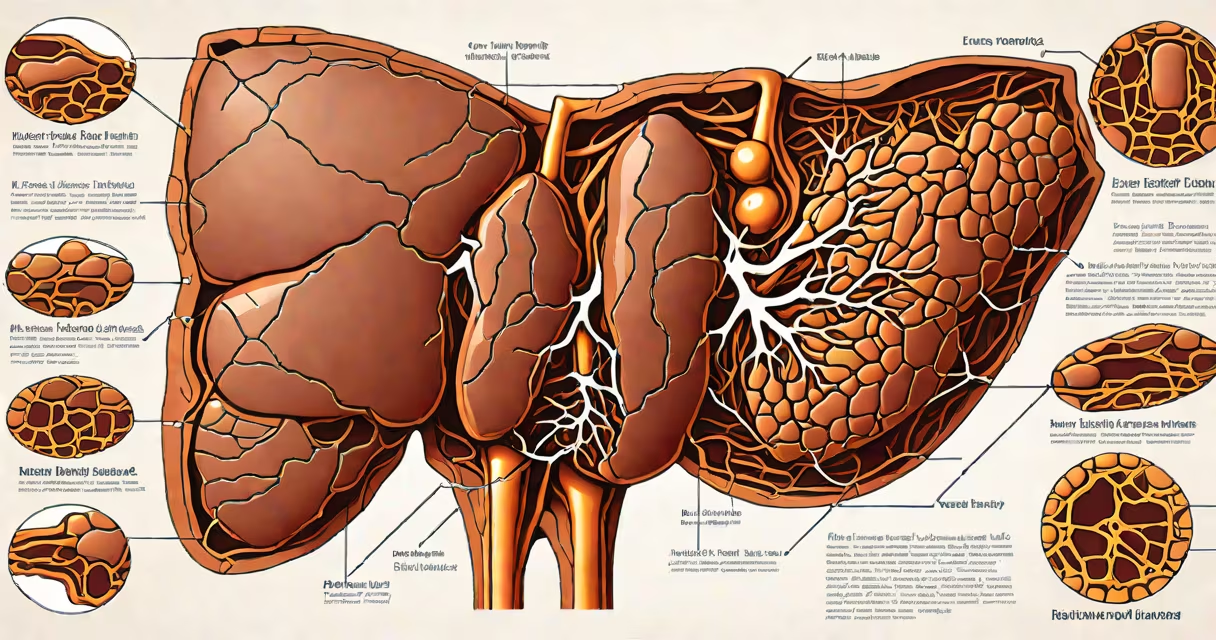
Hepatotoxicity is liver injury caused by exposure to drugs, environmental toxins, or dietary supplements. It occurs when substances overwhelm the liver's ability to process them safely, leading to inflammation, cell death, or scarring.
The liver metabolizes most medications, but some compounds generate harmful byproducts during breakdown. These byproducts can attack liver cells directly or trigger immune reactions that damage tissue. The condition ranges from mild enzyme elevation to acute liver failure requiring transplant.
According to the National Institute of Diabetes and Digestive and Kidney Diseases (NIDDK), drug-induced liver injury accounts for up to 11% of all acute liver failure cases in the U.S. The American Liver Foundation notes that acetaminophen overdose is the most common cause of severe hepatotoxicity in clinical settings.
When a substance enters the bloodstream, the liver processes it through phase I and phase II metabolic pathways. Phase I enzymes, primarily cytochrome P450 enzymes, modify molecules to make them water-soluble. Some of these modified compounds are reactive intermediates that bind to cellular proteins and DNA, disrupting function.
If detoxification systems like glutathione are depleted, these reactive metabolites accumulate and cause oxidative stress. This leads to mitochondrial dysfunction, lipid peroxidation, and apoptosis-programmed cell death. Inflammation follows, releasing cytokines that attract immune cells and worsen damage.
A 2021 study published in Pharmacological Reviews found that 60% of hepatotoxic drugs act through mitochondrial toxicity, with statins and antiretrovirals being prominent examples. The liver's high oxygen consumption and rich supply of metabolic enzymes make it especially vulnerable to such insults.
Hepatotoxicity manifests in several patterns based on the timing and nature of injury:
| Type | Onset | Common Causes | Pattern |
|---|---|---|---|
| Direct hepatotoxicity | Hours to days | Acetaminophen, carbon tetrachloride, certain antibiotics | Dose-dependent; predictable |
| Idiosyncratic reaction | Days to weeks | Anticonvulsants, NSAIDs, herbal supplements (e.g., kava) | Unpredictable; immune-mediated |
| Cholestatic injury | Weeks | Oral contraceptives, erythromycin, some antipsychotics | Bile flow obstruction; elevated alkaline phosphatase |
| Fatty liver disease | Months | Alcohol, corticosteroids, methotrexate | Steatosis; fat accumulation in hepatocytes |
Direct hepatotoxicity results from excessive doses overwhelming metabolic capacity. Acetaminophen, for example, depletes glutathione reserves at doses above 4 grams daily. Once depleted, NAPQI-a toxic metabolite-binds irreversibly to liver proteins, causing necrosis.
Idiosyncratic reactions occur unpredictably, often in genetically predisposed individuals. A 2019 study in Journal of Hepatology identified HLA-B*57:01 as a genetic marker linked to severe hepatotoxicity from flucloxacillin, a penicillin antibiotic. Only about 1 in 1,000 patients develop this reaction, but it can be fatal.
Early signs of hepatotoxicity are often subtle. Patients may report fatigue, nausea, or vague abdominal discomfort. Jaundice-yellowing of skin and eyes-appears when bilirubin levels rise above 3 mg/dL. Dark urine and pale stools follow bile duct obstruction.
Many assume that liver damage only affects heavy drinkers. But non-alcoholic fatty liver disease (NAFLD) now accounts for nearly half of all chronic liver conditions in the U.S., according to the NIDDK. Medications like clozapine and valproate contribute to NAFLD progression.
A common error is equating elevated liver enzymes with liver damage. Alanine aminotransferase (ALT) and aspartate aminotransferase (AST) rise in response to cell membrane rupture, but normal levels don't rule out injury. One patient taking statins had persistently normal ALT but developed bridging fibrosis on biopsy-evidence of silent progression.
Kava, a root extract used in traditional Pacific Island ceremonies and marketed as a natural anxiety remedy, became a known hepatotoxin in the early 2000s. Multiple reports from Europe and North America linked kava use to acute liver failure, including cases requiring transplantation.
In 2002, the European Medicines Agency issued a warning after reviewing 23 cases of kava-related liver injury. The FDA later advised consumers to avoid kava-containing products due to risk of irreversible damage. Despite this, kava remains available in some U.S. health food stores under "natural supplement" labeling.
One documented case involved a 42-year-old woman who took kava tea daily for six months to manage stress. She presented with jaundice, confusion, and coagulopathy. Liver biopsy showed centrilobular necrosis and cholestasis. Her condition deteriorated rapidly, requiring emergency liver transplant. Post-transplant recovery was complete, but she now avoids all herbal supplements.
Baseline liver function tests (LFTs) are recommended before starting high-risk medications. The American Gastroenterological Association advises monitoring ALT and AST every 2-4 weeks during the first three months of therapy with drugs like isoniazid or amiodarone.
Patients should report new symptoms promptly. Dose reduction or discontinuation may reverse early injury. For example, stopping amiodarone in a patient with rising transaminases can lead to normalization within 4-8 weeks.
There is no universal antidote for hepatotoxicity. N-acetylcysteine (NAC) is effective only for acetaminophen overdose when administered within 8 hours. For other causes, treatment focuses on supportive care and managing complications.
One personal observation: during my time working in a primary care clinic, I saw a man with type 2 diabetes who developed abnormal LFTs after starting a weight-loss supplement containing green tea extract and yohimbine. His ALT rose from 25 to 180 U/L over eight weeks. After discontinuing the product, his levels returned to normal within six weeks. This case illustrates how over-the-counter supplements can mimic prescription drug toxicity.
Hepatotoxicity is not a single disease but a spectrum of liver injuries triggered by external agents. Understanding the mechanisms, recognizing early signs, and avoiding high-risk substances are key to prevention. Always consult a healthcare provider before starting new medications or supplements, especially if you have pre-existing liver conditions.
Recognizing what is hepatotoxicity begins with awareness: even seemingly safe substances can harm the liver. Early detection saves lives.