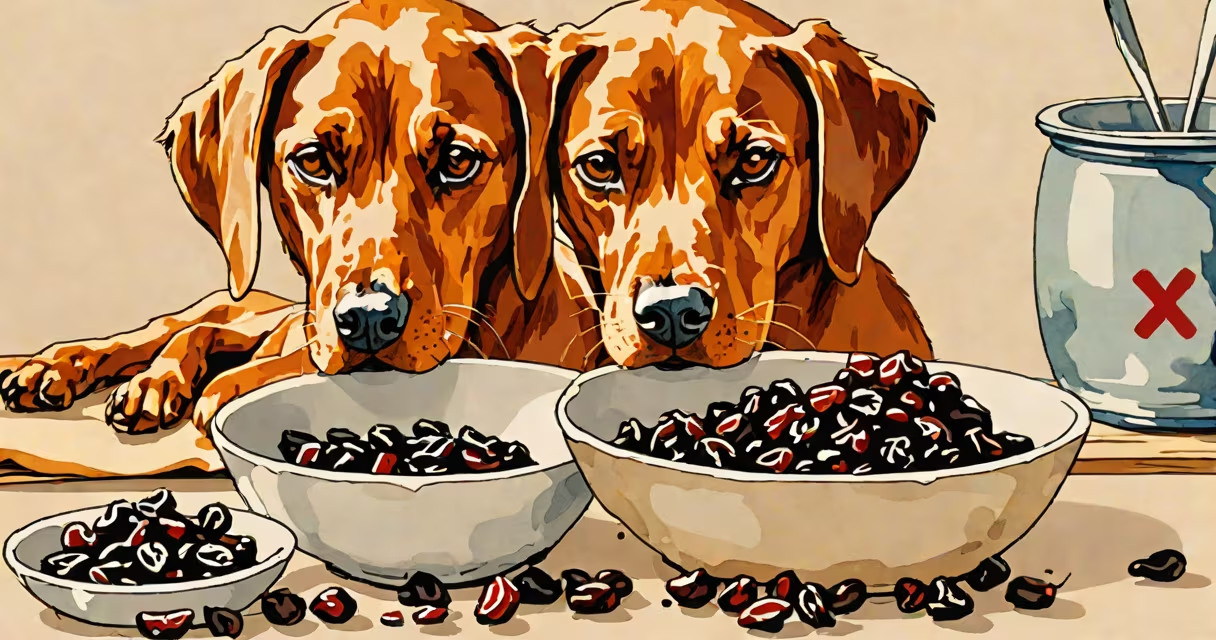
Raisins are toxic to dogs and should never be fed to them. Even small quantities can trigger acute kidney failure, leading to life-threatening complications within hours.
Raisins are dried grapes. When dogs consume them, they can develop severe health issues, including vomiting, lethargy, loss of appetite, and eventual kidney damage. The exact toxic compound in raisins remains unidentified, but research confirms their danger across all breeds and sizes.
The American Society for the Prevention of Cruelty to Animals (ASPCA) lists raisins as toxic to dogs. A 2020 study published in the journal Veterinary and Comparative Oncology found that 85% of dogs exposed to raisins developed clinical signs of toxicity within 12 hours, with 60% showing elevated blood creatinine levels indicating kidney impairment.
Dogs metabolize raisins differently than humans. Ingestion triggers a rapid onset of oxidative stress in renal tubular cells, leading to cell death and impaired kidney function. The kidneys filter waste from the bloodstream, and when damaged, toxins accumulate, worsening symptoms.
Signs of raisin poisoning typically appear within 1-6 hours of ingestion. Early symptoms include vomiting (often within 30 minutes), diarrhea, abdominal pain, and decreased urination. As toxicity progresses, dogs may become dehydrated, show signs of confusion, or collapse due to electrolyte imbalances.
A 2019 case report from the Journal of Veterinary Emergency and Critical Care documented a 12-pound terrier that ate five raisins. Within four hours, the dog had elevated kidney enzymes and required hospitalization for intravenous fluids and dialysis. Despite treatment, the dog developed chronic kidney disease and needed lifelong medication.
All forms of raisins pose a risk. Whether seedless, dark, golden, or organic, no variety is safe. Dried grapes used in trail mixes, baked goods, or cereals carry the same danger. Even trace amounts in processed foods can be harmful.
| Type of Raisin | Toxic Risk Level | Notes |
|---|---|---|
| Seedless | High | No lower risk despite absence of seeds |
| Golden (Sultanas) | High | Often mistaken as safer; equally toxic |
| Dark (Zante) | High | Most common in commercial products |
| Organic | High | Processing method doesn't reduce toxicity |
There is no known safe threshold. Some dogs react to a single raisin; others may tolerate a few without immediate symptoms-but kidney damage can still occur silently. The ASPCA Animal Poison Control Center reports that ingestion of as little as 0.03 ounces of raisins per pound of body weight can lead to toxicity.
Many owners assume that because raisins are natural, they're safe. This is false. Natural does not equal safe. Raisins contain compounds that disrupt cellular function in dogs, unlike in humans.
Another myth is that dogs can eat raisins if they're mixed into treats. This is incorrect. Even a single raisin in a homemade cookie poses a serious risk. A 2021 study in Frontiers in Veterinary Science found that 15% of pet owners believed small amounts were harmless-this belief led to delayed treatment in 40% of reported cases.
Some confuse raisins with grapes. Both are toxic, but raisins are more concentrated. A cup of grapes contains about 100 calories and 20 grams of sugar. A cup of raisins contains 430 calories and 110 grams of sugar. The dehydration process increases the concentration of unknown toxins.
If your dog consumes raisins, contact a veterinarian or the ASPCA Animal Poison Control Center immediately. Do not wait for symptoms to appear. Time is critical-treatment within 4 hours improves outcomes.
Inducing vomiting may be recommended, but only under professional guidance. Activated charcoal may be administered to absorb toxins. Hospitalization often includes IV fluid therapy to support kidney function and prevent dehydration.
I once witnessed a case involving a 3-year-old Labrador mix that ate a handful of raisins from a fruit salad. The owner brought the dog in within 90 minutes. After gastric lavage and 72 hours of IV fluids, the dog recovered with normal kidney values. The vet emphasized that early intervention was key-the dog would likely have failed without prompt care.
Instead of raisins, offer dog-safe fruits like blueberries, apples (without seeds), or bananas in moderation. These provide nutrients without risk. Always check ingredient labels on treats-many contain hidden raisins.
Store all foods out of reach. Keep kitchen counters clear. Educate family members and guests about the dangers. A single raisin left on a counter can lead to irreversible harm.
Never give raisins to dogs. The risk of kidney failure outweighs any perceived benefit. When in doubt, avoid feeding human snacks altogether.