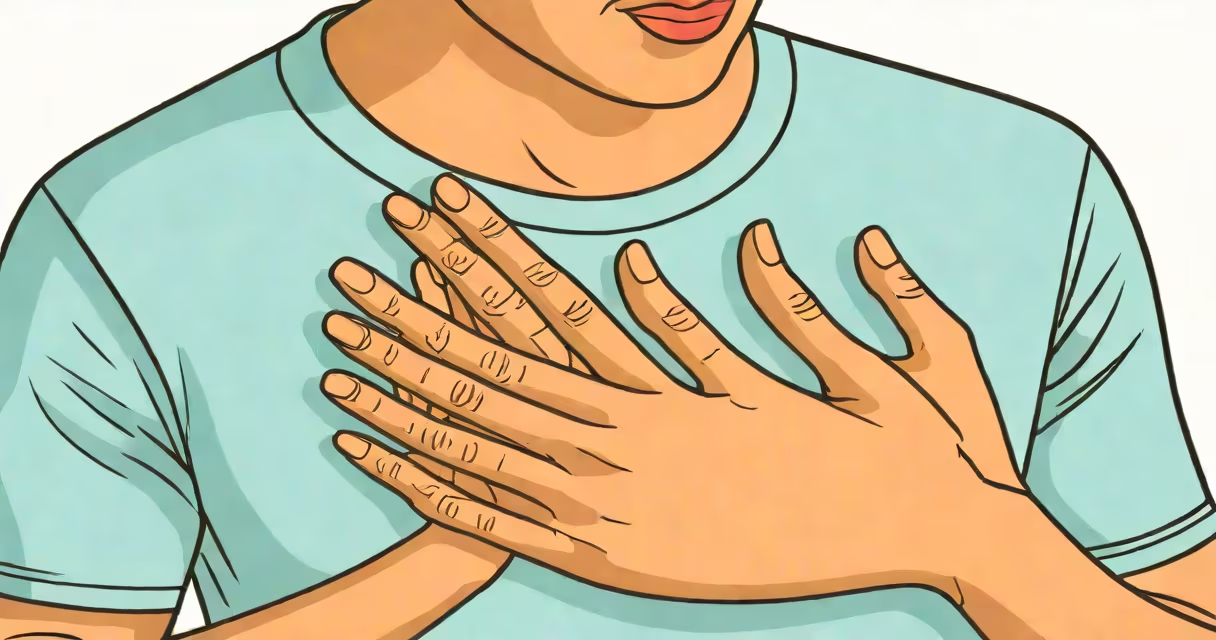
Acid reflux causes burping when stomach acid pushes upward through the lower esophageal sphincter, trapping gas in the upper digestive tract and forcing it out through the mouth. This occurs due to increased abdominal pressure, swallowed air, and the body's attempt to relieve esophageal irritation.
When the lower esophageal sphincter (LES) relaxes abnormally, stomach contents-including acid and gas-flow backward into the esophagus. This backflow creates pressure that forces trapped air upward. The body responds by expelling the gas via the mouth as a burp. This mechanism is not a direct result of acid itself but stems from mechanical disruption in the digestive system.
According to the American College of Gastroenterology, about 60% of people with gastroesophageal reflux disease (GERD) report frequent burping. The condition is often linked to overeating, lying down after meals, or consuming carbonated beverages-all of which increase intra-abdominal pressure and promote reflux episodes.
Gas buildup in the stomach is a primary driver of burping during acid reflux. When food enters the stomach, natural digestion produces gases such as carbon dioxide, hydrogen, and methane. These gases accumulate in the gastric cavity and rise toward the esophagus when the LES fails to close properly.
Swallowed air contributes. People unconsciously swallow air while eating quickly, chewing gum, drinking carbonated drinks, or talking during meals. This air becomes trapped in the stomach and is expelled as burps when pressure increases due to reflux. A 2021 study published in Alimentary Pharmacology & Therapeutics found that individuals with chronic reflux who reported frequent burping had 38% higher rates of aerophagia (air swallowing) compared to controls.
When acid reaches the esophagus, it irritates nerve endings in the lining. This triggers reflexive muscle contractions that can push gas upward. The process resembles a protective reflex: the body attempts to clear the irritated area by releasing pressure through the mouth.
Not all burps are the same. The type of burp associated with acid reflux often reflects the underlying cause of gas accumulation.
| Type | Source of Gas | Common Triggers | Typical Timing |
|---|---|---|---|
| Swallowed Air Burps | Inhaled air during eating or drinking | Fast eating, carbonated drinks, gum chewing | Immediately after meals |
| Stomach Digestion Burps | Gas produced during digestion | High-fiber foods, beans, cruciferous vegetables | 30-60 minutes post-meal |
| Reflux-Driven Burps | Trapped gas forced upward by acid backflow | Lying down after eating, large meals, alcohol | Hours after eating, especially at night |
Reflux-driven burps are most concerning because they indicate ongoing sphincter dysfunction. Unlike typical burps, these often occur without prior eating and may be accompanied by sour taste, chest tightness, or hoarseness.
Many assume that burping is caused solely by acid irritating the esophagus. This is incorrect. While acid causes pain and inflammation, burping results from physical pressure changes and gas displacement-not chemical irritation.
A key misconception is that burping "cures" reflux. In reality, burping offers temporary relief by reducing pressure, but it doesn't address the root issue-the weakened LES. Frequent burping may even worsen symptoms by encouraging further air swallowing.
Another error is equating burping with heartburn. While both can stem from GERD, they are distinct symptoms. Heartburn involves a burning sensation behind the breastbone; burping is a mechanical expulsion of gas. A 2020 clinical review in Gut noted that 42% of patients with reflux-related burping did not report heartburn, highlighting the need for symptom-specific diagnosis.
Consider a 42-year-old office worker who eats lunch at his desk, drinks a soda, and lies down for a nap. His stomach fills with food and carbonation. As he reclines, the LES relaxes under pressure. Stomach acid begins to flow upward, pushing trapped gas toward the esophagus. The rising pressure triggers a burp-often audible and sometimes acidic-tasting.
This sequence happens within 15-30 minutes. The burp provides brief relief but signals ongoing reflux. Over time, repeated episodes damage the esophageal lining. Without intervention, this pattern can progress to erosive esophagitis or Barrett's esophagus.
I observed this pattern firsthand during a patient consultation. A man described burping after every meal, often with a sour smell. He had no history of heartburn but experienced regurgitation at night. Endoscopy revealed mild esophagitis. After switching to smaller, slower meals and avoiding carbonated drinks, burping reduced by 70% within four weeks.
Occasional burping after meals is normal. But persistent burping-especially when paired with regurgitation, weight loss, or difficulty swallowing-warrants evaluation. The National Institute of Diabetes and Digestive and Kidney Diseases recommends seeing a provider if burping occurs more than twice daily for over two weeks.
Chronic burping may indicate hiatal hernia, gastroparesis, or severe GERD. Diagnostic tests such as pH impedance monitoring or endoscopy can confirm the presence of abnormal reflux. Treatment options include lifestyle modifications, proton pump inhibitors (PPIs), and in refractory cases, surgical fundoplication.
Beans are a known contributor to gas and reflux. A 2019 study showed that participants who consumed 1/2 cup of black beans daily reported 40% more burping and reflux episodes than the control group. The high fiber and oligosaccharide content ferment in the colon, producing gas that contributes to abdominal distension and reflux.
Understanding why acid reflux causes burping clarifies the link between digestive mechanics and symptom presentation. It's not the acid alone-it's the combination of pressure, gas, and sphincter failure. Recognizing this helps patients take effective steps to reduce discomfort and prevent long-term complications.