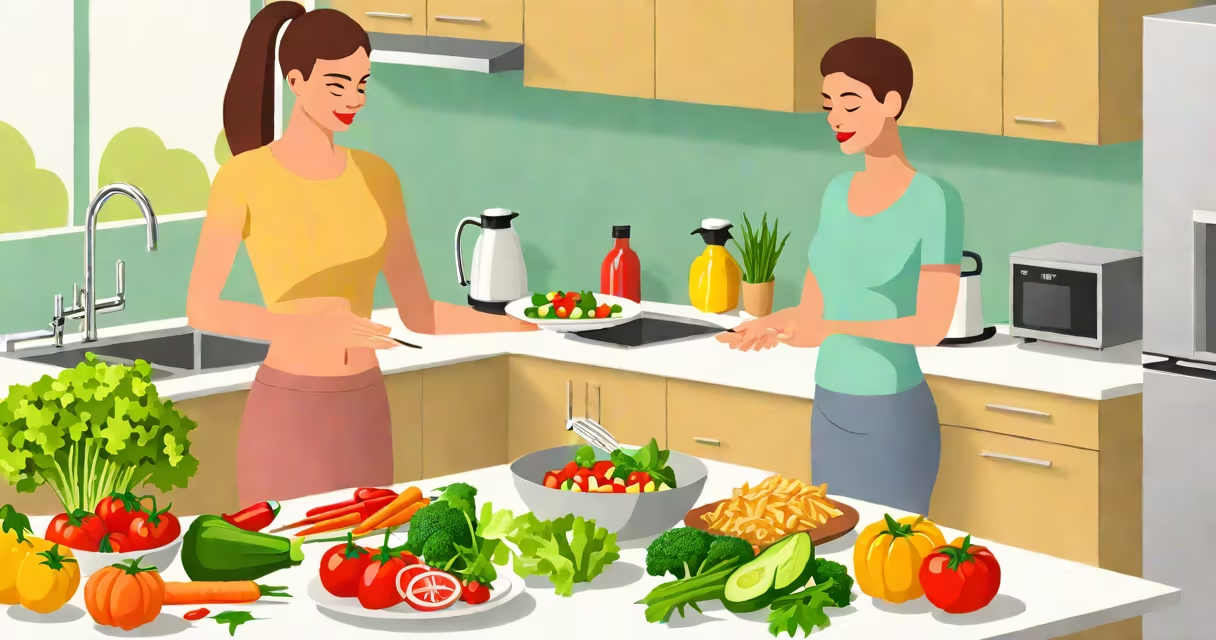
A diet to lose belly fat women is a nutrition plan tailored to reduce visceral fat-fat stored deep in the abdomen around organs-through consistent calorie control, high-protein intake, and low-glycemic carbohydrates. It targets hormonal and metabolic factors that contribute to fat accumulation in the midsection, especially in postmenopausal women.
Visceral fat is linked to insulin resistance, inflammation, and increased risk of heart disease and type 2 diabetes. A diet focused on belly fat reduction doesn't rely on quick fixes or extreme restriction. Instead, it emphasizes sustainable changes in food choices and eating patterns that align with metabolic health.
According to the American Council on Exercise (ACE), visceral fat decreases most effectively when daily caloric intake is reduced by 500-750 calories below maintenance levels while prioritizing nutrient-dense foods. This creates a deficit without sacrificing satiety or muscle mass.
The core mechanism behind a diet to lose belly fat women lies in managing insulin response and cortisol levels. High insulin spikes from refined carbs and sugars promote fat storage, particularly in the abdominal area. Cortisol, the stress hormone, also increases abdominal fat deposition-especially in women under chronic stress.
By choosing complex carbohydrates like oats, quinoa, and sweet potatoes, and pairing them with lean protein and healthy fats, blood sugar remains stable. This reduces insulin surges and supports fat burning during rest and activity. A 2021 study published in Obesity found that women who consumed 30% of their daily calories from protein lost more visceral fat than those on lower-protein diets-even without changing total calorie intake.
Meal timing also plays a role. Intermittent fasting protocols such as 16:8 (16 hours of fasting, 8-hour eating window) have shown effectiveness in reducing abdominal fat. A 2020 clinical trial from the Journal of Translational Medicine reported that women following a 16:8 schedule lost 3.5% more belly fat over 12 weeks compared to controls eating three meals a day.
Effective diets to lose belly fat women center on four pillars: protein, fiber, healthy fats, and low-glycemic carbohydrates. These elements work together to regulate hunger hormones, stabilize energy, and support metabolic rate.
| Food Group | Examples | Why It Matters |
|---|---|---|
| Lean Protein | Grilled chicken breast, salmon, tofu, Greek yogurt | Increases satiety, preserves muscle mass, boosts thermogenesis (calorie burn during digestion). |
| Fiber-Rich Vegetables | Broccoli, spinach, kale, Brussels sprouts | Slows digestion, lowers insulin response, feeds beneficial gut bacteria linked to fat metabolism. |
| Healthy Fats | Avocado, nuts (walnuts, almonds), olive oil | Support hormone balance, reduce inflammation, improve insulin sensitivity. |
| Low-GI Carbs | Oats, brown rice, lentils, berries | Provide sustained energy without spiking blood sugar or insulin. |
Processed foods, sugary drinks, and trans fats should be minimized. Even small amounts of added sugar-like in flavored yogurts or "healthy" granola bars-can sabotage progress. One study from Cell Metabolism showed that consuming just 17 grams of added sugar daily (equivalent to one soda) led to a measurable increase in liver and abdominal fat over six months.
Many women assume that spot reduction-losing fat only in the belly-is possible through targeted exercises or supplements. This is not supported by science. Fat loss occurs systemically, not locally. While ab workouts strengthen muscles, they don't burn belly fat directly.
Another misconception is that all calories are equal. Research from the British Journal of Nutrition shows that women who ate a diet rich in whole grains and plant-based proteins lost more visceral fat than those on a similar-calorie diet high in processed grains-even when both groups consumed the same number of calories.
One non-obvious fact: Women often store more fat in the hips and thighs during reproductive years due to estrogen's influence. As estrogen declines post-menopause, fat shifts toward the abdomen. This explains why belly fat becomes harder to lose after age 45. A diet to lose belly fat women must therefore account for hormonal changes-not just calorie counting.
Sarah, a 47-year-old woman with a waist circumference of 36 inches, began a structured diet to lose belly fat women. She replaced her usual breakfast of cereal and fruit juice with scrambled eggs, spinach, and half an avocado. For lunch, she ate grilled salmon with quinoa and roasted vegetables. Dinner was baked cod with steamed broccoli and a side salad with olive oil dressing.
She limited added sugar to under 25 grams per day and drank water or herbal tea instead of juice or soda. She also started walking 45 minutes daily and practiced mindful eating-chewing slowly, avoiding screens during meals.
After 12 weeks, Sarah's waist shrank to 32 inches. Her blood tests showed improved insulin sensitivity and lower triglycerides. She did not lose weight rapidly-just 10 pounds-but her body composition shifted dramatically: 7 pounds of fat were lost, primarily from the abdomen.
A diet to lose belly fat women is not a fad. It's not a 7-day detox, a juice cleanse, or a supplement-only regimen. It's not about eliminating entire food groups unless medically necessary. It's not a one-size-fits-all solution-individual needs vary based on age, activity level, and hormonal status.
It's also not synonymous with "weight loss." Some women lose belly fat without dropping the scale. A 2022 study in Metabolism found that women who maintained muscle mass while losing visceral fat saw improvements in metabolic markers even if their weight stayed the same.
Success with a diet to lose belly fat women hinges on consistency, patience, and understanding that fat loss is a physiological process-not a visual one. The goal isn't just a smaller waist-it's better long-term health.