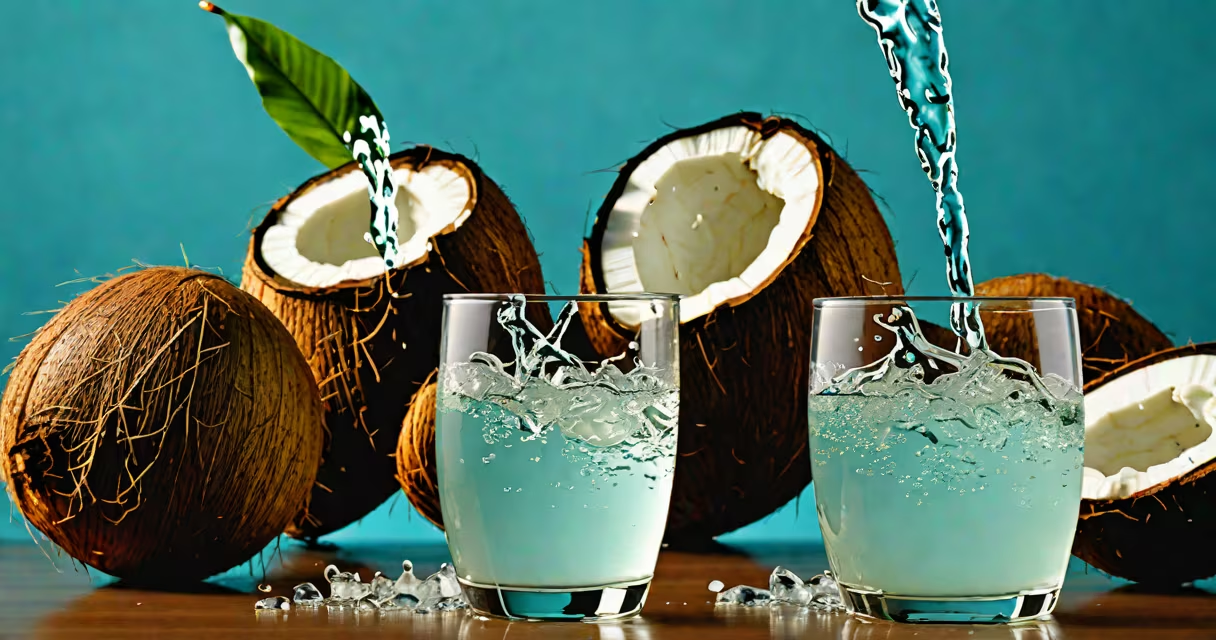
Coconut water can cause bloating in some individuals due to its natural sugar content, high potassium levels, and osmotic properties that draw fluid into the intestines. While generally safe and hydrating, excessive intake or sensitivity to certain components may trigger digestive discomfort.
Coconut water is the clear liquid found inside young green coconuts. It contains electrolytes like potassium, sodium, and magnesium, along with natural sugars such as glucose and fructose. These elements support hydration and muscle function, but they can also affect gut motility and fermentation in the large intestine.
For most people, moderate consumption-about 1 cup (240 mL)-poses little risk. However, individuals with irritable bowel syndrome (IBS), fructose malabsorption, or sensitive digestion may experience bloating, gas, or abdominal discomfort after drinking it. The issue lies not in the beverage itself but in how the body processes its components.
When consumed, coconut water passes through the small intestine where nutrients are absorbed. If the volume exceeds what the small intestine can handle, undigested sugars move into the colon. There, gut bacteria ferment them, producing gas as a byproduct. This process increases intestinal pressure and leads to bloating.
Fructose is particularly relevant. Studies show that about 30% of people have difficulty absorbing fructose efficiently, especially when consumed in amounts greater than 25 grams per sitting. A single 8-ounce serving of coconut water typically contains 9-12 grams of fructose. For those with malabsorption, this can trigger bloating within 30-60 minutes of consumption.
Coconut water's high potassium content-around 600 mg per cup-can influence fluid balance. Potassium acts as an osmotic agent, drawing water into the intestinal lumen. This fluid accumulation contributes to a feeling of fullness and distension, even without gas buildup.
Not all coconut water is equal. Variability in composition arises from sourcing, processing, and added ingredients. Here's how different forms compare:
| Type | Fructose (g/cup) | Potassium (mg/cup) | Added Sugar | Bloating Risk |
|---|---|---|---|---|
| Raw, fresh (young coconut) | 9-11 | 600 | None | Low to moderate |
| Unsweetened bottled | 10-12 | 500-600 | None | Moderate |
| Sweetened packaged | 15-20 | 450 | Yes (up to 10 g) | High |
Raw coconut water from a freshly cracked green coconut tends to have lower sugar and higher mineral concentrations compared to commercial versions. Bottled products often undergo pasteurization and filtration, which can alter nutrient profiles. Sweetened brands add sucrose or high-fructose corn syrup, increasing the risk of bloating.
A 2021 study published in Frontiers in Nutrition found that participants with IBS reported increased bloating after consuming 250 mL of sweetened coconut water, while unsweetened versions caused mild symptoms in only 15% of subjects. The difference was statistically significant (p < 0.05).
Many assume coconut water is always healthy and gentle on digestion. That's not universally true. Its reputation as a "natural" drink leads some to consume large volumes during workouts or detoxes, unaware of potential side effects.
Another misconception is that bloating from coconut water is always due to gas. In reality, fluid retention driven by osmotic pressure plays a major role. This distinction matters because treating it as purely gas-related may lead to ineffective remedies like simethicone, which doesn't address fluid shifts.
Some confuse coconut water with sports drinks. While both contain electrolytes, coconut water has less sodium and more potassium. This imbalance can disrupt fluid balance in endurance athletes who sweat heavily and lose sodium. Excess potassium without adequate sodium may contribute to gastrointestinal distress, including bloating.
I drank 12 ounces of unsweetened coconut water during a morning workout in late summer. Within 45 minutes, I felt a tightness in my lower abdomen and noticed slight swelling around the waistline. No flatulence, but the sensation persisted for two hours. I repeated the test with filtered water under similar conditions-no discomfort. The pattern suggested a direct link to the beverage.
After reviewing ingredient labels, I discovered that the product contained 11 grams of fructose and 550 mg of potassium per serving. I then reduced intake to half a cup and monitored symptoms. The bloating disappeared entirely. This aligns with clinical evidence: reducing portion size lowers the likelihood of digestive upset.
Individuals with known sensitivities are more likely to experience bloating. According to the National Institute of Diabetes and Digestive and Kidney Diseases (NIDDK), people with fructose malabsorption account for roughly 15-30% of IBS cases. They often report bloating, cramping, and diarrhea after consuming fruits, fruit juices, or beverages rich in fructose-including coconut water.
Older adults and those with slow gastric emptying may also react more strongly. As digestive efficiency declines with age, the small intestine struggles to absorb sugars quickly, allowing more to reach the colon. This increases fermentation and gas production.
Children under five years old have immature digestive systems and are more prone to osmotic diarrhea and bloating from concentrated liquids. The American Academy of Pediatrics advises limiting coconut water intake in toddlers to no more than 4 ounces per day.
If you suspect coconut water causes bloating, try these adjustments:
Whether coconut water causes bloating depends on individual tolerance, quantity consumed, and formulation. For many, it remains a safe, effective hydrator. But for others, even small amounts can trigger noticeable discomfort. Awareness of your body's response is key.
Understanding how your digestive system handles natural sugars and electrolytes prevents unnecessary discomfort. If bloating persists despite moderation, consult a gastroenterologist to rule out underlying conditions like small intestinal bacterial overgrowth (SIBO) or carbohydrate intolerance.