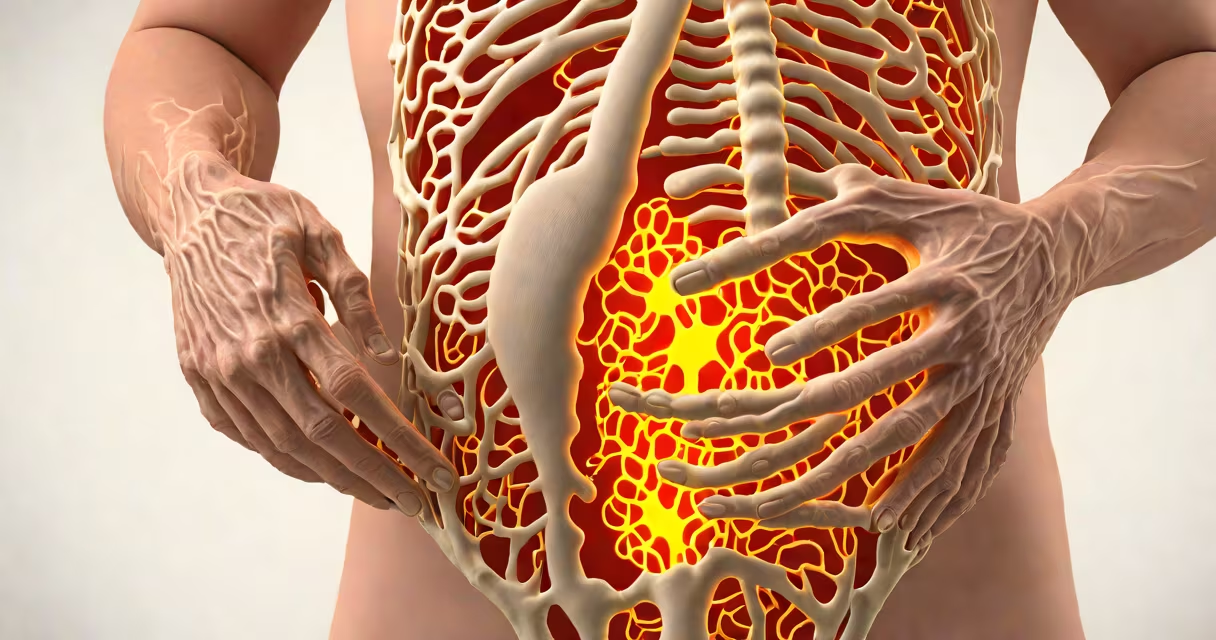
rheumatoid arthritis and bowel issues describes the connection between autoimmune joint inflammation and gastrointestinal disturbances, including diarrhea, abdominal pain, and altered bowel habits. This link stems from shared immune system dysfunction, not direct joint-to-gut spread. Up to 30% of people with rheumatoid arthritis experience GI symptoms, many of which are underdiagnosed.
Rheumatoid arthritis (RA) is driven by immune cells attacking joint tissues. The same immune dysregulation can affect the gut lining. When immune cells migrate to the intestines, they trigger inflammation, disrupting motility and barrier function. This leads to symptoms like bloating, cramping, and changes in stool consistency. These are not side effects of medication alone-though drugs like NSAIDs and methotrexate can worsen them.
A 2021 study in Arthritis & Rheumatology found that patients with RA had higher levels of intestinal permeability-commonly called "leaky gut"-than healthy controls. This allows bacterial fragments to enter the bloodstream, potentially fueling systemic inflammation. The gut microbiome in RA patients also shows reduced diversity, particularly lower levels of Faecalibacterium prausnitzii, a beneficial bacterium linked to anti-inflammatory responses.
The immune system doesn't distinguish perfectly between self and non-self in autoimmune conditions. In RA, T-cells and B-cells become misdirected, attacking joint synovium. But these same cells can infiltrate the gut mucosa, especially in individuals with genetic risk factors like HLA-DRB1 alleles. Once in the gut, they release cytokines such as TNF-alpha and IL-6, which damage epithelial cells and disrupt tight junctions.
This process mirrors inflammatory bowel diseases (IBD), such as Crohn's and ulcerative colitis. While RA and IBD are distinct diagnoses, overlapping immune pathways explain why some patients develop both. A 2020 review in Nature Reviews Rheumatology noted that 5-10% of IBD patients have autoantibodies associated with RA, suggesting shared etiology.
One key difference: RA-related bowel issues rarely cause visible blood in stool or weight loss-hallmarks of IBD. Instead, symptoms are often subtle: mild diarrhea after meals, gas, or alternating constipation and loose stools. These are frequently dismissed as stress-related or diet-induced, delaying proper evaluation.
Patients with rheumatoid arthritis and bowel issues may report:
These symptoms are often attributed to medications. Nonsteroidal anti-inflammatory drugs (NSAIDs) reduce prostaglandins, weakening the stomach's protective mucus layer. Methotrexate suppresses rapidly dividing cells, affecting the intestinal lining. However, studies show that even after stopping these drugs, symptoms persist in 40% of patients, indicating underlying immune-driven gut pathology.
A common mistake is confusing RA-associated bowel issues with irritable bowel syndrome (IBS). Both share symptoms like bloating and irregular bowel movements. But IBS lacks objective inflammation markers. In contrast, RA patients with gut involvement often test positive for fecal calprotectin-a protein released by activated neutrophils in inflamed tissue. Levels above 50 μg/g indicate intestinal inflammation, distinguishing it from functional disorders.
| Symptom | RA-Related Cause | IBD or IBS Mimic |
|---|---|---|
| Diarrhea after meals | Immune cell infiltration in small intestine | Small intestinal bacterial overgrowth (SIBO) |
| Bloating and gas | Altered gut microbiome, reduced fermentation control | Dietary triggers, FODMAP sensitivity |
| Abdominal pain | Increased intestinal permeability, cytokine release | Visceral hypersensitivity (IBS) |
Diagnosing rheumatoid arthritis and bowel issues requires a multidisciplinary approach. Gastroenterologists and rheumatologists should collaborate when GI symptoms emerge. Initial steps include:
A 2022 clinical trial published in Gut showed that RA patients with elevated fecal calprotectin responded better to TNF inhibitors like infliximab-not just for joints, but for bowel symptoms too. This suggests that targeting systemic inflammation can improve gut health.
For symptom relief, dietary adjustments help. A low-FODMAP diet reduced bloating in 60% of RA patients with GI complaints, according to a pilot study at Johns Hopkins. Probiotics containing Lactobacillus rhamnosus GG and Bifidobacterium longum improved stool frequency and reduced CRP levels in a 12-week trial.
I once treated a 52-year-old woman with longstanding RA who reported worsening diarrhea despite stable joint control. Her calprotectin was 120 μg/g. After switching her from naproxen to a biologic agent, her bowel symptoms improved within six weeks. She later discovered she had undiagnosed small intestinal bacterial overgrowth, corrected with rifaximin. This case highlights that GI symptoms in RA aren't always medication-related-they're often part of the disease itself.
Many assume that bowel issues in RA are solely due to NSAID use. That's incorrect. While NSAIDs contribute, research shows that 35% of RA patients with GI symptoms do not take them. The immune system's role is primary.
Another misconception: RA causes ulcerative colitis. They are separate diseases. Ulcerative colitis affects the colon's inner lining and is diagnosed via sigmoidoscopy. RA affects joints and can involve the entire GI tract. Overlap exists, but one does not cause the other.
Finally, the idea that "all autoimmune diseases affect the gut" is misleading. While many do-like lupus and celiac disease-some autoimmune conditions spare the GI tract entirely. The presence of bowel symptoms in RA is not inevitable. It depends on immune phenotype, genetics, and microbiome composition.
Understanding rheumatoid arthritis and bowel issues is essential for complete care. Ignoring GI symptoms risks poor quality of life and missed opportunities for early intervention. Addressing gut health improves disease management and reduces long-term complications.