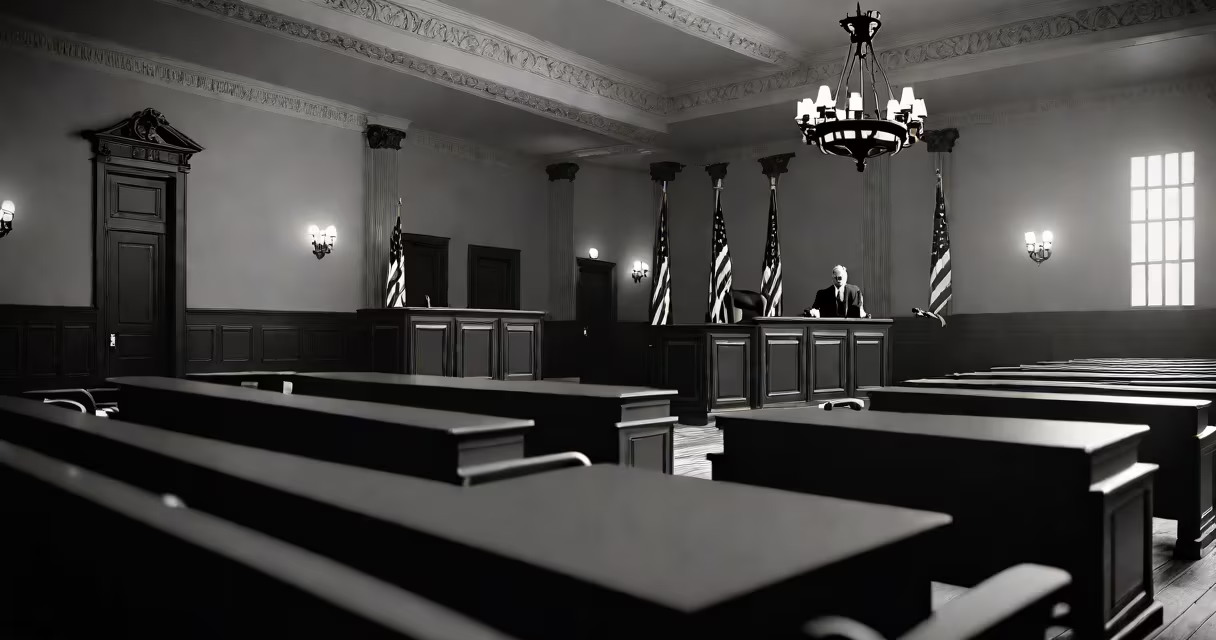
Arraignment is a formal court proceeding where a defendant is brought before a judge to hear the specific criminal charges filed against them and to formally enter a plea-guilty, not guilty, or no contest. This step typically occurs within days of arrest and ensures the defendant understands the accusations and their legal rights.
At the arraignment, the judge reads the charges aloud, confirms the defendant's identity, and explains the potential penalties. The defense attorney may also appear to advise the defendant. The defendant then states their plea, which sets the stage for the rest of the case. If the plea is not guilty, the case proceeds toward trial or negotiation. If guilty or no contest, sentencing may follow quickly.
According to the U.S. Department of Justice, arraignment is required under federal law within 48 hours of arrest, unless the defendant waives the right. State laws vary, but most require arraignment within 72 hours. Failure to hold an arraignment violates due process protections under the Fifth and Sixth Amendments.
The process begins when law enforcement arrests someone and files formal criminal charges. A prosecutor issues a complaint or indictment, and the court schedules the arraignment. The defendant is transported to court, often in custody, and seated in the defendant's chair while the judge presides.
The clerk reads the charges aloud. For example, if arrested for theft, the charge might be "theft of property valued at $1,200, in violation of Penal Code § 484." The judge then asks the defendant to respond. The standard options are:
After the plea, the judge sets bail or release conditions. If bail is granted, the defendant may be released pending trial. If denied, they remain in jail until the next hearing. The judge may also schedule future dates, such as pre-trial motions or trial itself.
Each plea has distinct consequences. A "not guilty" plea triggers the next phase: discovery, pre-trial hearings, and eventually trial. A "guilty" or "no contest" plea allows the prosecution and defense to negotiate sentencing, often resulting in a faster resolution.
For example, in a 2021 case in Cook County, Illinois, a defendant charged with burglary pleaded not guilty at arraignment. The case went to trial six months later and resulted in a conviction. In contrast, a similar case in Los Angeles saw a defendant plead no contest to misdemeanor theft and received probation and community service.
| Plea Type | Legal Effect | Common Outcome |
|---|---|---|
| Not guilty | Triggers trial process | Case proceeds to discovery and trial |
| Guilty | Admits wrongdoing | Immediate sentencing or negotiated plea deal |
| No contest | Doesn't admit guilt but accepts punishment | Same outcome as guilty plea; cannot be used as evidence in civil suits |
A non-obvious fact: a "no contest" plea cannot be used as evidence in a civil lawsuit stemming from the same incident. This protects defendants from being held liable in private lawsuits based on their plea, even though the conviction stands.
Arraignments occur in criminal courts, usually at the county level. They are scheduled promptly after arrest-typically within 48 to 72 hours. In federal cases, the Speedy Trial Act mandates arraignment within 10 days of arrest.
Some jurisdictions allow virtual arraignments. During the pandemic, many courts adopted video hearings. For example, in New York City, over 60% of arraignments were conducted remotely in 2020. The practice continues in some areas, though physical presence remains standard.
Defendants who miss their arraignment without a valid reason risk a bench warrant being issued. Law enforcement can then arrest them again to bring them before the court. This creates a cycle of incarceration that can delay justice.
Arraignment is often mistaken for a trial or a preliminary hearing. It is neither. A trial determines guilt or innocence. A preliminary hearing assesses whether there's enough evidence to move forward. Arraignment is about formal notice and plea entry.
Another misconception: that arraignment is only for serious crimes. In reality, it applies to all criminal cases, including misdemeanors like traffic violations or petty theft. A person arrested for disorderly conduct still faces arraignment.
I once observed an arraignment in a small-town courthouse in rural Oregon. The defendant, a young man charged with possession of marijuana, was brought in handcuffed. The judge read the charge, asked him to speak, and he said "not guilty." The court set a date for a pre-trial conference. The entire process took less than ten minutes. That speed reflects how routine arraignment is-even in low-stakes cases.
Understanding arraignment requires knowing how it differs from other court steps. Here's how it compares:
For example, a defendant charged with drug possession might be bound over to a grand jury in a state with a dual system. But if they qualify for diversion, the court may offer it after arraignment. The timing matters: diversion is not available at arraignment unless the prosecutor offers it.
According to the American Bar Association, nearly 70% of felony cases in the U.S. proceed through arraignment. Of those, about 20% result in a guilty plea before trial. The rest go to trial or plea negotiations.
Arraignment is a foundational step in every criminal case. It ensures the defendant knows the charges and has a chance to respond. It's not a trial, not a hearing on evidence, but a procedural checkpoint that upholds due process. Missing it risks violating constitutional rights.