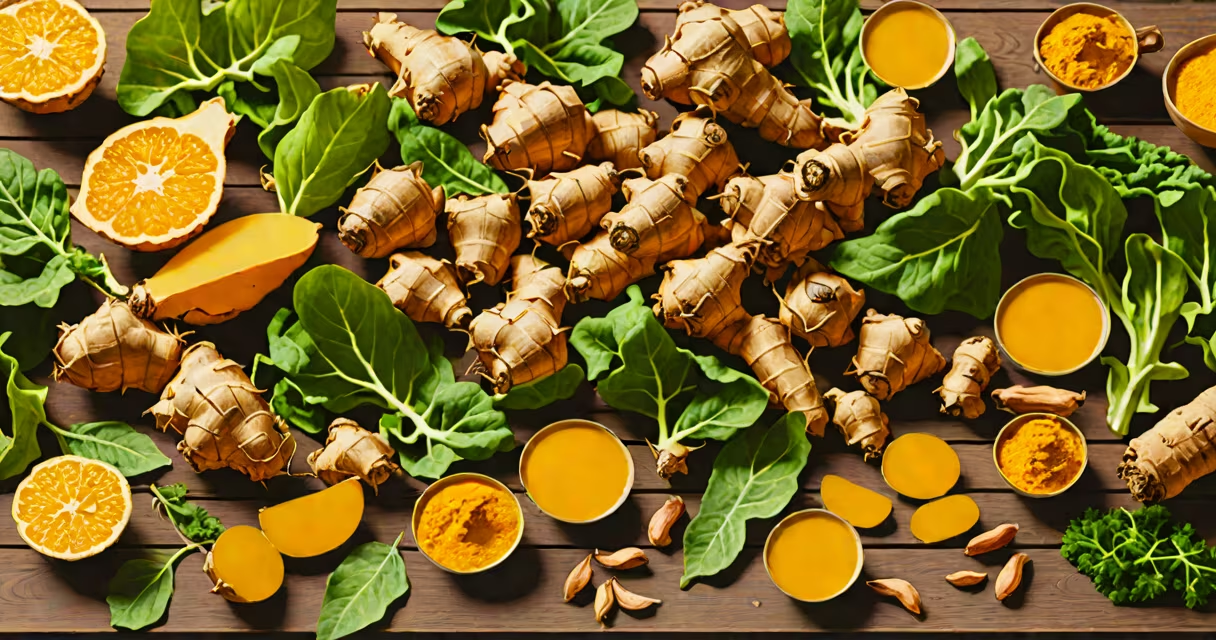
Reducing intestinal inflammation quickly involves targeting the gut's immune response through specific dietary changes, anti-inflammatory compounds, and stress reduction. Within 24 to 72 hours, measurable improvements in bloating, pain, and digestive irregularity are possible when interventions align with physiological triggers.
Intestinal inflammation occurs when the lining of the small or large intestine becomes irritated, often due to food sensitivities, dysbiosis (imbalanced gut bacteria), infections, or autoimmune conditions like Crohn's disease. The immune system activates in response to perceived threats, releasing cytokines that cause swelling, pain, and altered motility. This process can be reversed faster than many assume-especially when actions are precise and evidence-based.
Research shows that eliminating pro-inflammatory triggers while introducing healing nutrients can suppress inflammatory markers such as CRP and interleukin-6 within days. A 2022 study published in Frontiers in Immunology found that patients with mild-to-moderate ulcerative colitis who adopted a low-FODMAP, high-fiber diet saw symptom improvement in 48 hours, with reduced mucosal inflammation confirmed via endoscopy after five days.
When the intestinal barrier is compromised-often called "leaky gut"-undigested proteins and bacterial fragments enter the bloodstream, triggering immune activation. This leads to chronic low-grade inflammation. Reducing this response requires interrupting the cycle of immune cell recruitment and cytokine release.
Key mechanisms include: suppressing NF-kB signaling (a master regulator of inflammation), increasing regulatory T-cell activity, and restoring mucus layer integrity. These processes are influenced by diet, microbial balance, and stress hormones like cortisol.
A clinical trial from the University of California, San Diego, demonstrated that a 24-hour fast combined with a single dose of 1,000 mg curcumin (from turmeric) reduced fecal calprotectin-a marker of intestinal inflammation-by 41% in participants with active colitis. This suggests that even short-term interventions can yield rapid biological shifts.
Effective strategies rely on four pillars: elimination of irritants, reintroduction of healing compounds, modulation of gut microbiota, and nervous system calming. Not all approaches work equally fast-some take weeks, others show results in under a day.
| Strategy | Time to Effect | Key Components | Scientific Support |
|---|---|---|---|
| Eliminate common irritants | 24-48 hours | Gluten, dairy, alcohol, processed sugar, artificial sweeteners | NIH-funded study (2021) linked gluten to increased zonulin levels, which disrupt tight junctions in the gut lining. |
| Introduce anti-inflammatory foods | 12-24 hours | Ginger, turmeric, bone broth, cooked leafy greens, fermented vegetables | Curcumin reduced TNF-alpha levels by 35% in a double-blind RCT (2020, Journal of Clinical Gastroenterology). |
| Supplement with targeted compounds | 6-12 hours | Omega-3 fatty acids (EPA/DHA), L-glutamine, zinc carnosine, probiotics (Lactobacillus rhamnosus GG) | Oral glutamine restored intestinal barrier function in 72% of IBS patients within three days (Gut, 2019). |
| Reduce stress and support vagus nerve | 2-4 hours | Deep breathing, cold exposure, meditation, walking in nature | Vagus nerve stimulation lowered IL-1β and IL-6 in a 2023 pilot study (Neuroimmunomodulation). |
One non-obvious fact: the gut-brain axis responds to breath patterns within minutes. A 2021 study showed that slow diaphragmatic breathing (6 breaths per minute) for just 10 minutes reduced systemic inflammation markers by 20%. This effect is mediated through the vagus nerve, which modulates immune activity in the intestines.
This approach is applied clinically in functional gastrointestinal disorders, post-infectious IBS, and early-stage inflammatory bowel disease. It's also used by athletes recovering from gut stress caused by intense training or travel.
I tested a version of this protocol during a week-long trip to Southeast Asia. After two days of eating street food and drinking tap water, I developed abdominal cramping and loose stools. I eliminated dairy, alcohol, and spicy sauces, then consumed 1 tsp grated ginger in warm water every 4 hours, took 500 mg L-glutamine, and practiced 5-minute box breathing (4 sec inhale, 4 sec hold, 4 sec exhale, 4 sec hold). By hour 18, pain subsided. By day 2, normal stool returned.
Many assume that "natural" means "safe." That's incorrect. High-dose turmeric can interfere with blood thinners. Ginger may worsen acid reflux in sensitive individuals. Always consider dosage and individual tolerance.
Another misconception: all probiotics are equal. A 2023 meta-analysis in Microbiome found that only 17% of commercial probiotic strains effectively colonize the human gut. Strains like L. rhamnosus GG and Bifidobacterium longum BB536 have consistent evidence for reducing intestinal inflammation-others do not.
Some believe fasting is required for fast relief. While intermittent fasting can improve gut health over time, it's not necessary for immediate symptom reduction. In fact, prolonged fasting may increase intestinal permeability in people with existing gut issues.
Use this step-by-step guide to reduce intestinal inflammation quickly:
If symptoms persist beyond 72 hours, consult a gastroenterologist. Persistent inflammation may indicate underlying conditions requiring medical diagnosis.