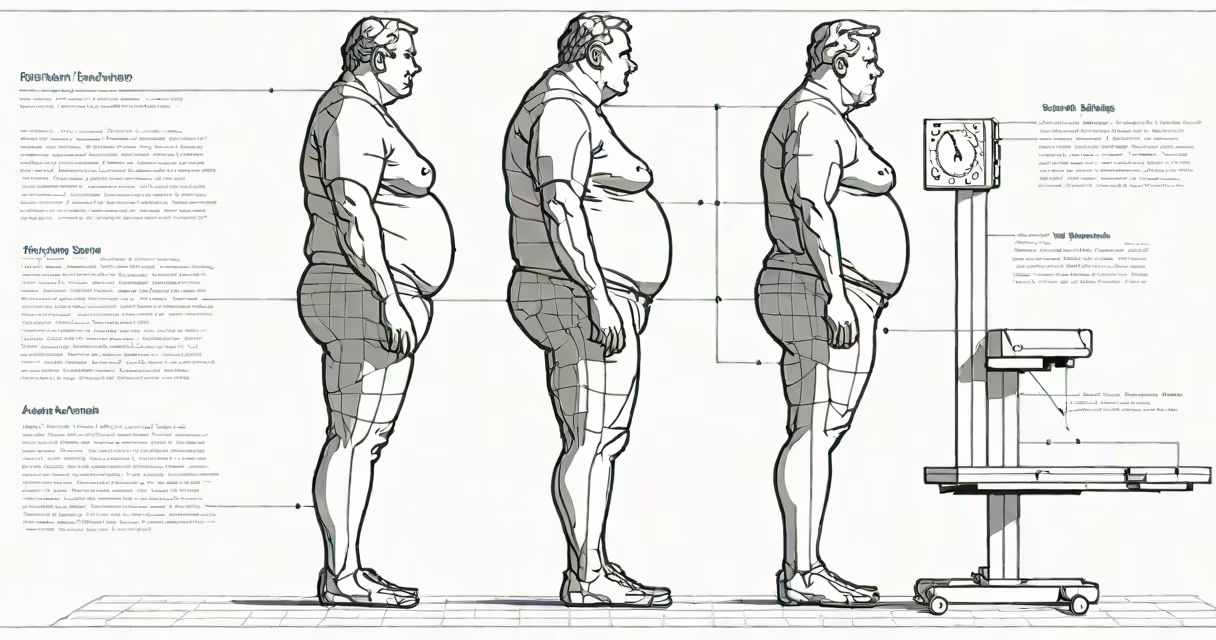
A weight considered bariatric generally refers to a body mass index (BMI) of 40 or higher, or a weight at least 100 pounds above a person's ideal body weight. This classification signals clinically severe obesity and qualifies individuals for specialized medical evaluation and treatment, including bariatric surgery.
BMI is calculated as weight in kilograms divided by height in meters squared. A BMI of 40 corresponds to approximately 265 pounds for a person who is 5'5" tall. For someone 6'0", the equivalent weight is about 330 pounds. These thresholds are consistent across major health guidelines, including those from the American Society for Metabolic and Bariatric Surgery (ASMBS) and the National Institutes of Health (NIH).
Medical professionals use this cutoff because it correlates strongly with increased risk of type 2 diabetes, heart disease, sleep apnea, and joint degeneration. The condition is not defined solely by weight but by health impact. A 250-pound individual with no comorbidities may not meet criteria for bariatric care, while a 220-pound person with multiple chronic conditions might.
The term "bariatric" originates from the Greek word *baros*, meaning "weight." It describes both the medical specialty focused on treating severe obesity and the patient population requiring advanced interventions. The classification is based on objective metrics, not subjective perception.
There are three primary clinical categories used to assess obesity severity:
| BMI Range | Weight Category | Clinical Implication |
|---|---|---|
| 18.5-24.9 | Normal weight | No intervention needed |
| 25.0-29.9 | Overweight | Lifestyle changes advised |
| 30.0-39.9 | Obese (Class I-II) | Comorbidity screening recommended |
| ≥40.0 | Severe obesity (Baric) | Eligible for bariatric surgery and intensive management |
Some guidelines also consider a weight 100 pounds above ideal body weight as qualifying for bariatric status, even if BMI falls below 40. This accounts for muscular individuals whose BMI may not reflect actual fat mass. For example, a 6'2" man weighing 350 pounds has a BMI of 41.5 and meets the standard criterion. A 5'6" woman weighing 280 pounds has a BMI of 49.5 and also qualifies.
Once classified as bariatric, patients typically undergo multidisciplinary assessment. This includes psychological evaluation, nutritional counseling, and cardiopulmonary testing. The goal is to determine whether surgical options are safe and appropriate.
Common procedures include sleeve gastrectomy, gastric bypass, and adjustable gastric banding. Sleeve gastrectomy removes about 80% of the stomach, limiting food intake. Gastric bypass reroutes the digestive tract, reducing calorie absorption. Both lead to average excess weight loss of 60-70% within two years.
One non-obvious fact: bariatric surgery is not a quick fix. Success depends on long-term adherence to dietary changes and follow-up care. A 2021 study published in JAMA Surgery found that 35% of patients who underwent gastric bypass regained 10% of lost weight within five years due to poor dietary habits post-op.
Many people assume bariatric means "very overweight," but the term specifically refers to a clinical diagnosis tied to health risk, not appearance. A person with a BMI of 38 may look lean but still have visceral fat contributing to insulin resistance.
Another misconception is that bariatric care is only for surgery. In reality, many programs offer non-surgical pathways, such as intensive lifestyle modification, pharmacotherapy (e.g., semaglutide), and behavioral therapy. The National Institute of Diabetes and Digestive and Kidney Diseases (NIDDK) reports that non-surgical approaches can result in 5-10% weight loss over 12 months, though sustained results are less common than with surgery.
I once observed a 42-year-old woman with a BMI of 43 lose 65 pounds in 14 months through a combination of diet, exercise, and weekly counseling. She did not qualify for surgery due to a history of peptic ulcer disease. Her success came from consistent monitoring and personalized adjustments-not a single intervention.
Not all high-weight individuals meet bariatric criteria. A 300-pound athlete with low body fat percentage and normal metabolic markers may not require bariatric evaluation. Conversely, a 200-pound person with hypertension, sleep apnea, and prediabetes may benefit from early intervention despite a BMI of 27.
Health providers assess risk, not just numbers. The presence of comorbidities often influences decisions more than weight alone. For instance, a BMI of 35 with uncontrolled diabetes or severe obstructive sleep apnea may trigger bariatric evaluation even if the threshold is technically below 40.
What weight is considered bariatric is determined by clinical standards, not personal judgment. A BMI of 40 or higher, or 100 pounds above ideal weight, triggers formal evaluation. These thresholds exist to identify individuals at high risk for preventable complications and ensure access to effective care.