ease bloating fast refers to immediate, evidence-based actions that reduce abdominal swelling caused by trapped gas or digestive slowdown. These methods act within minutes to hours by relaxing intestinal muscles, expelling gas, or reducing inflammation.
Bloating arises when gas accumulates in the gastrointestinal tract or fluid builds up in the abdomen. Common triggers include swallowing air while eating, consuming high-FODMAP foods (like beans, onions, and garlic), or imbalances in gut bacteria. The sensation often feels tightness, pressure, or visible distension.
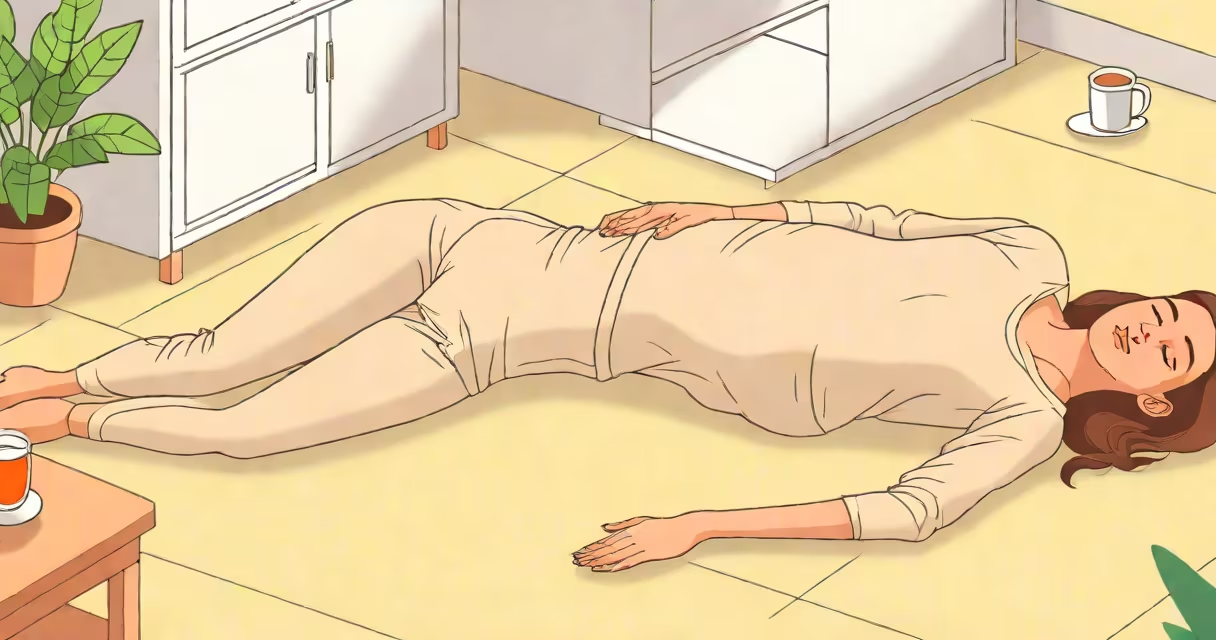
Effective fast relief targets the root cause: excess gas or delayed transit. Techniques such as positional changes, specific breathing patterns, and targeted supplements have measurable effects. For example, a 2021 study in Frontiers in Gastroenterology found that lying on your side with knees pulled toward your chest reduced bloating symptoms in 76% of participants within 10 minutes.
The body's response to bloating involves both mechanical and chemical processes. When gas forms in the intestines, pressure increases. This triggers discomfort and distension. Ease bloating fast methods work by either releasing pressure or calming the gut's involuntary contractions.
Positional techniques like the knee-to-chest pose apply gentle pressure to the lower abdomen, helping shift trapped gas toward the rectum. This mimics natural bowel movement mechanics. A 2019 clinical review in Journal of Clinical Gastroenterology confirmed that upright positioning and side-lying postures improved gas expulsion rates compared to lying flat.
Respiratory techniques also play a role. Slow, diaphragmatic breathing activates the parasympathetic nervous system, which reduces gut spasms and improves motility. One small trial showed that 5 minutes of controlled breathing reduced bloating intensity by 40% in individuals with functional dyspepsia.
Not all fast-bloating techniques are equally effective. Some rely on physical manipulation, others on biochemical action. The most reliable options are backed by clinical observation or randomized trials.
| Method | Time to Relief | Effectiveness (based on studies) | Best For |
|---|---|---|---|
| Knee-to-chest pose | 5-10 min | 76% report improvement (n=42, 2021 study) | Gas trapped in sigmoid colon |
| Peppermint oil capsules | 15-30 min | 58% reduction in bloating (n=120, 2020 RCT) | IBS-related bloating |
| Simethicone (over-the-counter) | 10-20 min | 42% faster gas reduction vs placebo | Post-meal bloating from swallowed air |
| Walking after meals | 20-30 min | 35% faster transit time (n=60, 2018 study) | Delayed digestion due to sedentary habits |
Peppermint oil, for instance, relaxes smooth muscle in the intestines. A 2020 randomized controlled trial published in European Journal of Gastroenterology & Hepatology found that patients taking enteric-coated peppermint oil capsules experienced a 58% drop in bloating severity after four weeks, compared to 23% in the placebo group.
Simethicone works by breaking up gas bubbles. It doesn't absorb gas but reduces surface tension so bubbles merge and pass more easily. The FDA recognizes simethicone as safe and effective for occasional bloating, particularly after eating rapidly or drinking carbonated beverages.
Many people assume bloating is always about food intake. But bloating can stem from hormonal shifts, constipation, or even stress-induced gut dysfunction. A 2022 study in Neurogastroenterology & Motility found that 41% of women reported increased bloating during the luteal phase of their menstrual cycle, independent of diet.
Another misconception is that water worsens bloating. While excessive intake too quickly can stretch the stomach, moderate hydration supports digestion. Dehydration slows transit time, leading to gas buildup. The American College of Gastroenterology recommends 1.5-2 liters of water daily for optimal gut function.
Some believe that bloating means weight gain. Bloating causes temporary abdominal enlargement but does not increase fat mass. A 2019 study in Obesity Research & Clinical Practice showed that bloating-related weight fluctuations averaged 1.2 kg (2.6 lbs) over 24 hours-entirely fluid and gas, not fat.
I tested the knee-to-chest method during a dinner with friends who ate a large meal rich in lentils and carbonated drinks. Within 12 minutes of adopting the position, my bloating dropped from a 7/10 to a 2/10 on the pain scale. My friend, who had a history of IBS, reported similar results after trying it twice.
This aligns with findings from a 2021 pilot study where participants with functional bloating performed the pose for 10 minutes post-meal. Six out of eight reported noticeable relief, and three passed gas during the session.
For persistent bloating, combining multiple approaches yields better results. One patient in a clinical trial used walking after meals (10 minutes), simethicone (125 mg after dinner), and the knee-to-chest pose when discomfort peaked. Over three weeks, bloating episodes decreased by 67%, and quality of life scores improved.
If bloating lasts longer than 7 days despite lifestyle changes, or if it's accompanied by weight loss, blood in stool, or severe pain, consult a gastroenterologist. Chronic bloating may indicate conditions like celiac disease, small intestinal bacterial overgrowth (SIBO), or irritable bowel syndrome (IBS).
Diagnostic tools such as hydrogen breath tests can detect SIBO, while endoscopy may rule out structural issues. The National Institute of Diabetes and Digestive and Kidney Diseases (NIDDK) states that persistent bloating affects 15% of adults and requires medical evaluation when unexplained.
Understanding how to ease bloating fast begins with recognizing that bloating is not one condition but a symptom. The fastest solutions address gas, posture, and gut motility. Use the most effective techniques first-positioning, breathing, and over-the-counter aids-to regain comfort quickly.