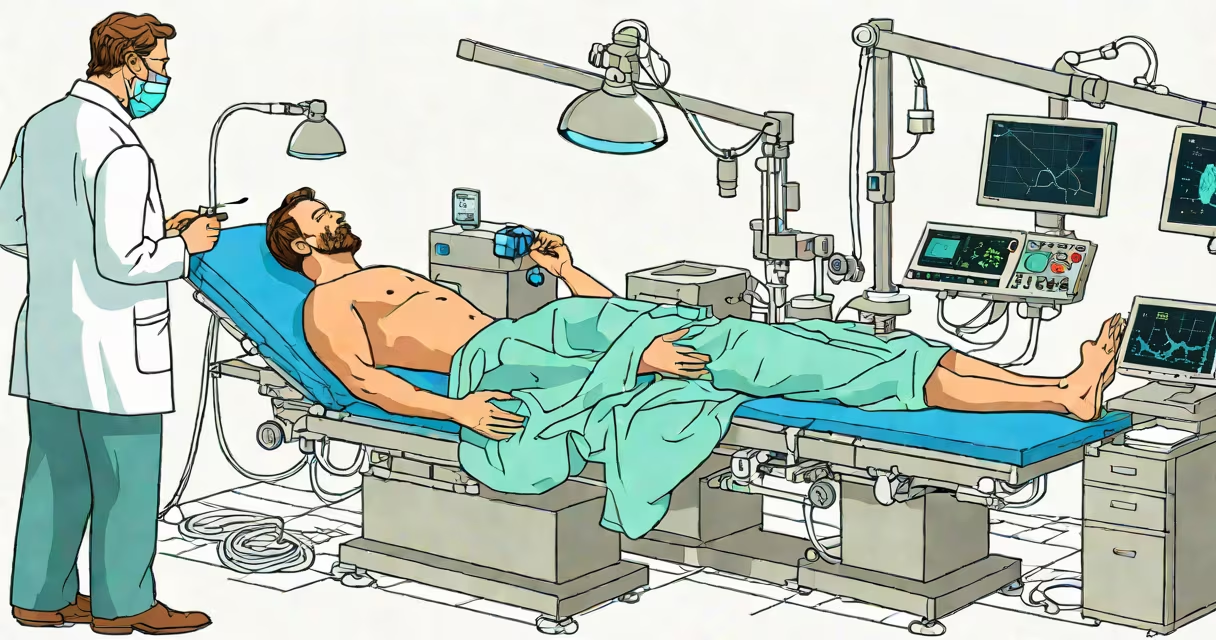
Endoscopy and colonoscopy are medical procedures that use a thin, flexible tube with a camera and light to examine the inside of the digestive tract. Endoscopy typically focuses on the upper GI system-esophagus, stomach, and duodenum-while colonoscopy examines the large intestine (colon) and rectum. Both are essential tools for diagnosing and preventing gastrointestinal diseases.
These procedures are performed under sedation or anesthesia to minimize discomfort. A physician inserts the endoscope through the mouth (for upper endoscopy) or anus (for colonoscopy) and navigates it to view internal structures in real time. Images are displayed on a monitor, allowing immediate assessment of abnormalities such as ulcers, inflammation, polyps, or tumors.
The American Society for Gastrointestinal Endoscopy (ASGE) reports that colonoscopy reduces colorectal cancer deaths by up to 60% when used for screening. The U.S. Preventive Services Task Force recommends routine colonoscopy every 10 years starting at age 45 for average-risk individuals. Upper endoscopy is often used to investigate persistent heartburn, unexplained anemia, or difficulty swallowing.
During a colonoscopy, the patient lies on their side while the doctor advances the colonoscope through the rectum into the colon. Air is gently insufflated to inflate the bowel and improve visibility. The scope's tip contains a lens, light source, and channels for suction, irrigation, and instrument insertion. If a polyp is detected, it can be removed during the same session using specialized tools passed through the scope.
For upper endoscopy, the scope enters via the mouth and passes through the esophagus into the stomach and duodenum. The physician checks for signs of gastritis, hiatal hernia, Barrett's esophagus, or early-stage cancer. Biopsies may be taken if suspicious tissue is seen. These samples are sent to a lab for histological analysis.
A typical colonoscopy takes 20 to 45 minutes. Patients receive sedatives like midazolam and fentanyl to reduce anxiety and pain. Recovery is quick-most people go home within an hour after the procedure, though they must have someone drive them due to sedation effects.
Endoscopy and colonoscopy serve distinct but overlapping purposes based on the area examined. The table below outlines key differences:
| Procedure | Target Area | Common Indications | Frequency |
|---|---|---|---|
| Colonoscopy | Colon and rectum | Colorectal cancer screening, polyp removal, IBD diagnosis | Every 10 years (average risk); earlier if family history |
| Upper Endoscopy | Esophagus, stomach, duodenum | GERD evaluation, peptic ulcer detection, bleeding source identification | As needed; sometimes repeated based on findings |
| Flexible Sigmoidoscopy | Lower third of the colon | Screening alternative; less invasive but limited reach | Every 5 years with fecal immunochemical test (FIT) |
While both endoscopy and colonoscopy involve visual inspection, colonoscopy includes bowel preparation-a clear liquid diet and laxatives the day before-to ensure the colon is empty. This step is critical because stool residue can obscure lesions. Upper endoscopy requires fasting for 6-8 hours prior to prevent aspiration.
One common misconception is that colonoscopy is painful. Studies show that over 90% of patients report mild to no pain during the procedure due to effective sedation. The discomfort most often comes from bloating afterward, caused by air introduced during the exam. This usually resolves within a few hours.
Many people assume endoscopy and colonoscopy are interchangeable. They are not. Endoscopy evaluates the upper GI tract; colonoscopy covers the lower. A patient with chronic acid reflux may need an upper endoscopy to check for esophageal damage. Someone with a family history of colon cancer would require colonoscopy, not upper endoscopy, to screen for polyps in the colon.
Another misunderstanding is that these procedures are only for symptomatic patients. In reality, they're most effective when used preventively. According to the Centers for Disease Control and Prevention (CDC), colorectal cancer is the third leading cause of cancer-related death in the U.S., but it's highly treatable when caught early. Routine colonoscopy can detect precancerous polyps before they develop into malignancies.
A lesser-known fact: colonoscopies can reduce mortality from colorectal cancer by up to 60%, according to a 2021 study published in Gastroenterology. This effect is strongest when the procedure is done at recommended intervals and when all polyps are completely removed. Missing even one polyp increases long-term cancer risk.
Consider a 50-year-old individual with no symptoms but a family history of colorectal cancer. Their primary care provider refers them for a colonoscopy. After completing a bowel prep involving a clear liquid diet and two doses of polyethylene glycol solution, they arrive at the outpatient center.
During the procedure, the gastroenterologist identifies a 6 mm adenomatous polyp in the descending colon. Using a snare device passed through the colonoscope, the polyp is removed and sent for pathology. The patient experiences no pain during the procedure and wakes up feeling well. The follow-up report confirms the polyp was benign, but the patient is advised to return for another colonoscopy in five years due to the presence of a non-hyperplastic polyp.
This scenario illustrates how endoscopy and colonoscopy function not just as diagnostic tools but as preventive interventions. Without the procedure, the polyp might have grown into cancer over the next decade.
I once observed a colonoscopy where a small, flat lesion was missed during initial inspection. The patient had no symptoms and normal blood work. The gastroenterologist noticed subtle changes in mucosal texture and took a biopsy. Pathology later confirmed early-stage adenocarcinoma. The patient underwent surgery and is now in remission. This case underscored how expertise and attention to detail matter-even when images appear normal.
When choosing a facility, look for accreditation by the American Society for Gastrointestinal Endoscopy (ASGE) or the Accreditation Association for Ambulatory Health Care (AAAHC). Facilities meeting these standards maintain high-quality standards for equipment, staff training, and patient safety.
Endoscopy and colonoscopy are not just medical procedures-they are life-saving tools. They allow physicians to see inside the body without surgery, identify disease early, and intervene before complications arise. For those eligible, undergoing a colonoscopy is one of the most effective steps toward preventing colorectal cancer.
Understanding the difference between upper endoscopy and colonoscopy ensures accurate screening and appropriate care. If you're approaching age 45 or have a family history of GI conditions, speak with your doctor about scheduling an endoscopy and colonoscopy. Early detection saves lives.