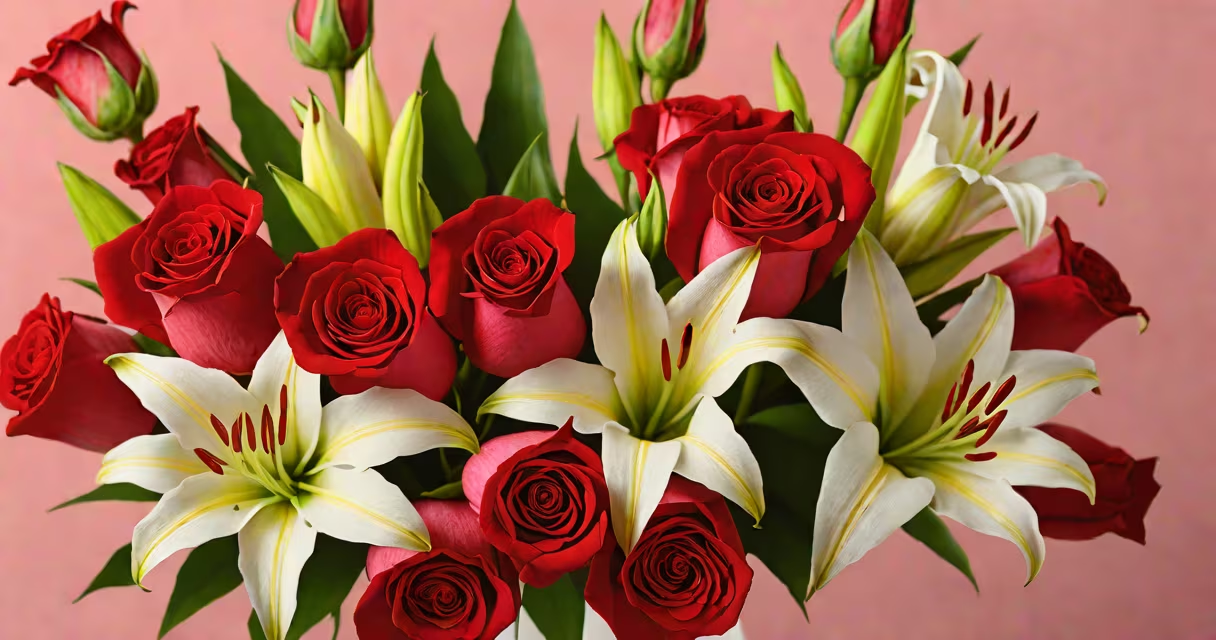
Floral meaning in English describes the symbolic interpretations assigned to flowers and plants in Western culture, literature, and visual arts. These meanings often stem from historical traditions, religious texts, and literary conventions rather than botanical traits.
Flowers have carried symbolic weight since ancient times. In Victorian England, people exchanged bouquets with coded messages-each bloom representing a specific emotion or intention. This practice, known as floriography, shaped much of the modern understanding of floral meaning in English. For example, a red rose meant romantic love, while a white lily symbolized innocence and purity.
These associations persist in modern usage. A funeral arrangement may feature chrysanthemums, which in many English-speaking countries denote grief and mourning. Conversely, daisies often appear in springtime imagery to suggest new beginnings. The meanings are not universal-they vary by region and context-but they remain embedded in language, poetry, and design.
Floral meaning in English operates through metaphor and convention. A flower's color, form, scent, and seasonal timing contribute to its symbolic role. Red roses are linked to passion because of their vivid hue and perceived intensity. White lilies are associated with death and rebirth due to their presence in Christian iconography and funerary art.
Language reinforces these connections. Phrases like "she's a rose among thorns" imply beauty amid hardship. "He gave her a single daffodil" suggests affection, even if unreturned-drawing on the flower's early-spring blooming and association with renewal. These expressions rely on shared cultural knowledge, not literal plant behavior.
Some meanings are rooted in mythology. The narcissus, for instance, ties to the Greek myth of Narcissus, who fell in love with his reflection. Today, the flower signals self-absorption or vanity. Similarly, the bluebell's name comes from Old English "blōmbæl," meaning "bells of the forest," but its modern symbolic weight stems from folklore about fairies and lost souls.
Floral meanings fall into categories based on function and cultural origin. The table below outlines common types and their most frequent associations.
| Type | Common Examples | Typical Meaning in English |
|---|---|---|
| Love & Romance | Red rose, peony, cherry blossom | Passion, desire, enduring affection |
| Purity & Spirituality | Lily, lotus, violet | Innocence, enlightenment, sacredness |
| Mourning & Loss | Chrysanthemum, forget-me-not, black iris | Grief, remembrance, farewell |
| Renewal & Hope | Daffodil, tulip, sunflower | New beginnings, resilience, optimism |
Not all meanings are positive. The yew tree, though not a flower, appears in English funerary poetry as a symbol of eternal life and secrecy. Its berries are toxic, reinforcing the idea of hidden truths. Similarly, the ivy vine, often seen climbing church walls, represents loyalty and endurance-but also entrapment, due to its invasive growth.
Some meanings shift over time. In the 19th century, the pansy was a sign of melancholy and introspection. Today, it appears in garden centers as a cheerful spring flower, its original emotional weight largely forgotten.
Floral meaning in English shapes communication in personal, artistic, and commercial contexts. A wedding bouquet may include white roses for purity, baby's breath for simplicity, and lavender for devotion-all chosen to reflect the couple's values.
Marketing uses these associations deliberately. A luxury perfume brand might feature a rose in its logo and advertising, evoking romance and elegance. A funeral home may offer arrangements centered on white lilies and chrysanthemums, signaling respect and sorrow without needing words.
Artists draw on these symbols to deepen narrative impact. In William Shakespeare's *Hamlet*, Ophelia distributes flowers before her death: violets for faithfulness, rosemary for remembrance, pansies for thoughts. Her actions are not random-they are a silent message encoded in floral meaning in English.
A lesser-known fact: the poppy's red color in English tradition is tied to both war memory and sleep. In *The Wizard of Oz*, Dorothy wears ruby slippers, but in the original book, they were silver. The film changed them to red to evoke the poppy fields of the Emerald City-where dreams and danger intertwine. This illustrates how color and flower choice can alter narrative tone.
Many assume floral meaning in English is universal or biologically determined. It is neither. A white rose means purity in Western cultures but signifies mourning in parts of Asia. The same flower carries different weight depending on context.
Another misconception: that all floral symbolism is ancient. While roots go back to Greco-Roman myths, many modern associations emerged in the 1800s. The Victorian era codified flower meanings in books like *The Language of Flowers* by Kate Greenaway. These guides were not scholarly treatises-they were popular guides sold in department stores.
Even within English-speaking regions, meanings differ. In Scotland, the heather flower symbolizes protection and good luck. In New England, the wild violet is associated with humility and quiet strength. These regional variations show that floral meaning in English is fluid, not fixed.
I once attended a memorial service where the family requested only yellow daffodils. Initially, I assumed it was for joy. Later learned the family had chosen them because the deceased loved spring and had once said, "I want my funeral to feel like April." The yellow daffodil, in this case, became a personal emblem-not a standard symbol, but a meaningful one.
Floral meaning in english is not about the plant itself-it's about what people project onto it. A single rose can express love, grief, or defiance, depending on context. Understanding these layers allows deeper engagement with language, art, and human expression.