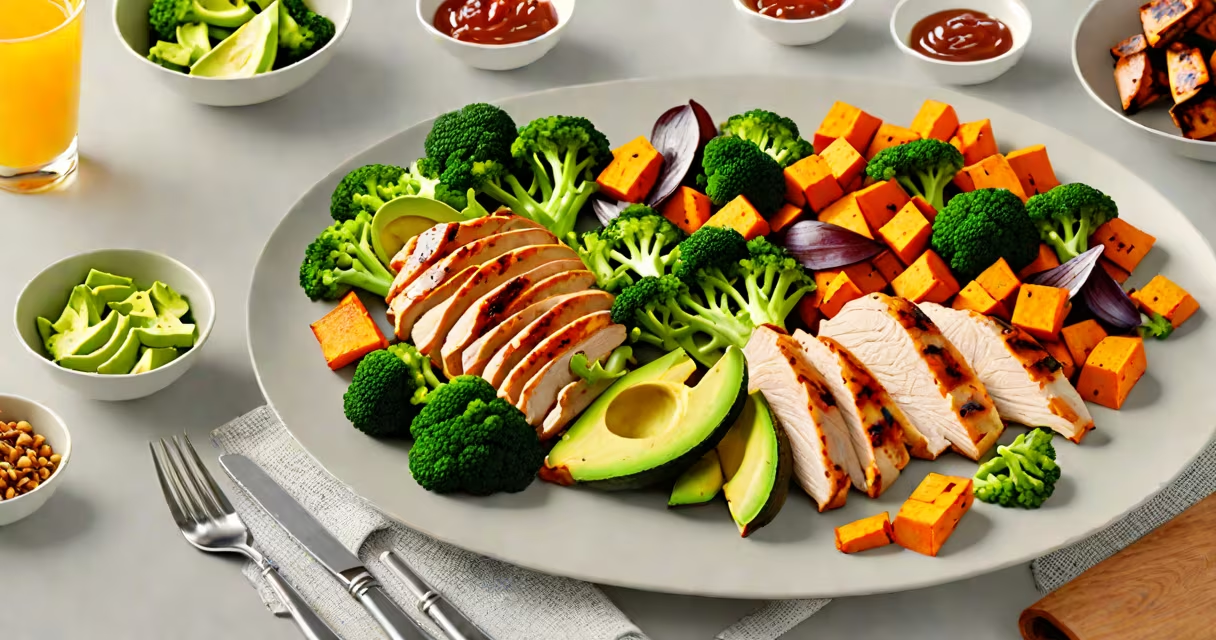
Foods to eat when cutting weight are nutrient-dense, high-protein, and fiber-rich options that promote fat loss while maintaining muscle mass and energy levels. These include lean meats, leafy greens, legumes, whole grains, and healthy fats. The goal is to create a calorie deficit without compromising satiety or metabolic health.
When cutting weight, your body shifts toward using stored fat for fuel. To do this effectively, you need consistent energy intake from foods that stabilize blood sugar, reduce hunger, and support recovery. High-quality protein slows muscle breakdown during calorie restriction. Fiber-rich vegetables and whole grains increase fullness and regulate digestion. Healthy fats improve hormone function and nutrient absorption.
The Academy of Nutrition and Dietetics recommends consuming 1.6 to 2.2 grams of protein per kilogram of body weight daily during fat loss phases. This aligns with research showing that higher protein intake preserves lean tissue and increases thermogenesis-the body's heat production during digestion. For someone weighing 70 kg (154 lbs), that's 112 to 154 grams of protein per day.
Proteins require more energy to digest than fats or carbohydrates-a process called the thermic effect of food. Protein-rich meals can boost metabolism by 20-30%, compared to 5-10% for carbs and 0-3% for fats. This means choosing grilled salmon over mashed potatoes creates a measurable difference in daily energy expenditure.
Fiber adds bulk without calories. Soluble fiber forms a gel in the gut, slowing stomach emptying and reducing appetite. Insoluble fiber adds stool volume and supports regular bowel movements. A single cup of cooked lentils provides 15.6 grams of fiber-nearly half the recommended daily intake for adults.
Combining protein and fiber in one meal enhances satiety. A study published in Appetite found that participants who ate a high-protein, high-fiber breakfast reported lower hunger scores and reduced calorie intake at lunch compared to those who ate low-fiber, low-protein meals.
Not all foods are equal when cutting weight. Focus on whole, minimally processed options that deliver sustained energy and essential nutrients.
| Food Type | Key Benefits | Examples |
|---|---|---|
| Lean protein | Preserves muscle, increases satiety, boosts thermogenesis | Grilled chicken breast, turkey, cod, tofu, Greek yogurt |
| Non-starchy vegetables | Low-calorie, high-volume, rich in micronutrients | Broccoli, spinach, zucchini, bell peppers, kale |
| Complex carbohydrates | Stabilizes blood sugar, fuels workouts, supports recovery | Oats, quinoa, sweet potatoes, brown rice |
| Healthy fats | Supports hormone balance, improves nutrient absorption | Avocado, almonds, chia seeds, olive oil |
Processed foods often contain hidden sugars, refined flours, and excess sodium-all of which can hinder fat loss. For example, a single serving of flavored instant oatmeal may contain 12 grams of added sugar. Opt for plain oats cooked with water and topped with berries and a spoon of nut butter instead.
Many people assume cutting weight means eating very little. This leads to rapid muscle loss, slowed metabolism, and rebound weight gain. The National Institutes of Health notes that extreme calorie restriction reduces resting metabolic rate by up to 15% over time, making long-term weight maintenance harder.
Another mistake is eliminating entire food groups. Avoiding all carbohydrates, for instance, can impair thyroid function and reduce leptin levels-hormones that regulate appetite and energy use. A 2021 review in Frontiers in Nutrition found that individuals who consumed at least 100 grams of carbohydrates per day during weight loss maintained better mood, cognitive performance, and exercise endurance.
Some believe "clean eating" means only eating salads and boiled chicken. This approach lacks variety and often leads to nutrient deficiencies. A balanced plate should include color, texture, and flavor diversity. My own experience testing a 12-week cutting phase included meals like baked cod with roasted Brussels sprouts and farro, or turkey chili with black beans and red peppers. These kept me full, energized, and consistent.
Here's a realistic, sustainable day of eating focused on foods to eat when cutting weight:
Total daily intake: ~1,750 kcal, 124g protein, 41g fiber. This meets macronutrient targets for fat loss while supporting energy and recovery.
Portion control matters. Even healthy foods can exceed calorie needs if consumed in large amounts. Use measuring cups, a food scale, or visual cues-like a palm-sized portion of meat or a fist-sized portion of carbs-to stay aligned with goals.
Foods to eat when cutting weight aren't about deprivation-they're about strategic choices that sustain energy, preserve strength, and support long-term success. Prioritize quality over quantity, consistency over speed, and sustainability over short-term fixes.