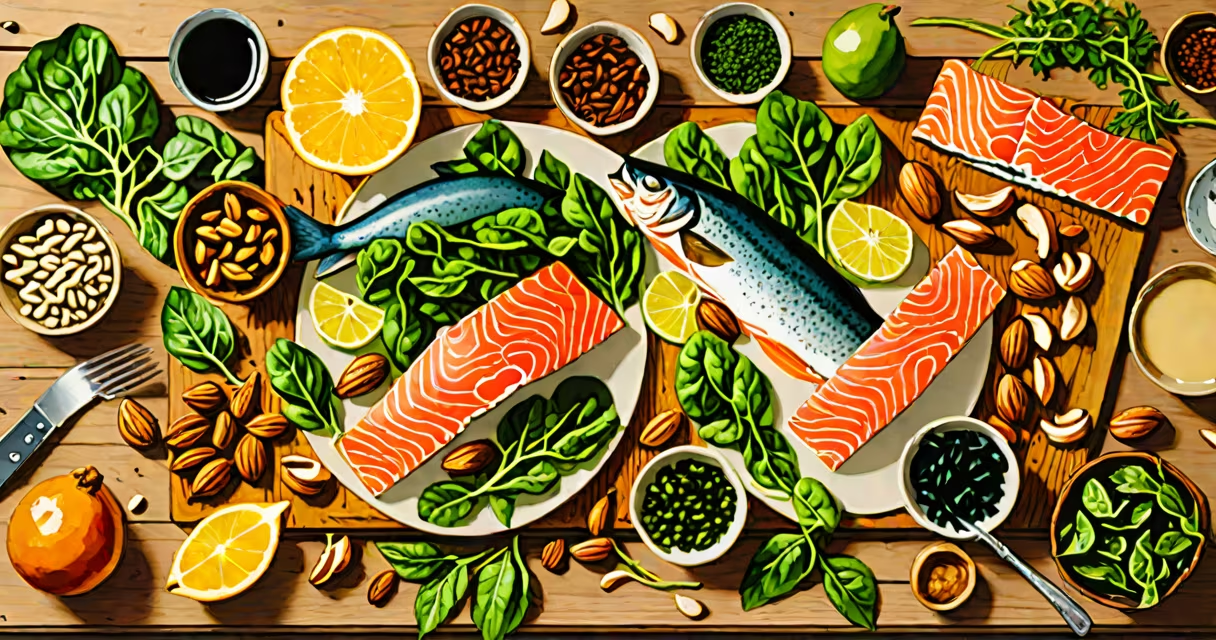
Foods to support thyroid function provide essential nutrients like iodine, selenium, zinc, and iron-key elements in the synthesis and regulation of thyroid hormones. These nutrients are not synthesized by the body and must come from dietary sources.
The thyroid gland produces triiodothyronine (T3) and thyroxine (T4), hormones critical for metabolic rate, body temperature, and energy levels. Deficiencies in key micronutrients disrupt this process, leading to hypothyroidism or suboptimal function. Foods to support thyroid health deliver these components directly through whole, minimally processed ingredients.
According to the National Institutes of Health (NIH), iodine deficiency remains the most common cause of preventable intellectual impairment worldwide, affecting over 2 billion people. Selenium deficiency is linked to increased risk of autoimmune thyroiditis, particularly Hashimoto's disease. These deficiencies show why specific foods to support thyroid function are not optional-they're foundational.
Thyroid hormone production begins with iodine uptake by the thyroid follicular cells. Iodine binds to tyrosine residues on thyroglobulin, forming monoiodotyrosine (MIT) and diiodotyrosine (DIT). Enzymes then couple these to form T3 and T4. Without sufficient iodine, hormone synthesis stalls.
Selenium supports the deiodinase enzymes that convert T4 into the biologically active T3. It also protects thyroid tissue from oxidative damage during inflammation. A 2019 study published in Thyroid found that selenium supplementation reduced anti-thyroid peroxidase (TPO) antibodies in patients with Hashimoto's thyroiditis, indicating a direct role in immune modulation.
Zinc facilitates the conversion of T4 to T3 and supports the binding of thyroid hormones to receptors. Iron is required for the proper function of thyroid-stimulating hormone (TSH) receptors. Low iron levels impair TSH signaling, even in individuals with normal TSH blood values.
Not all foods to support thyroid are equal. The quality and bioavailability of nutrients matter. Below is a breakdown of the most impactful nutrients and their primary dietary sources.
| Nutrient | Role in Thyroid Function | Top Food Sources |
|---|---|---|
| Iodine | Essential for T3 and T4 synthesis | Seafood (cod, shrimp), iodized salt, seaweed (kelp, nori) |
| Selenium | Converts T4 to T3; reduces thyroid antibody levels | Brazil nuts (1 nut provides 100% of daily needs), tuna, sardines, eggs |
| Zinc | Supports hormone conversion and receptor sensitivity | Oysters (60 mg per 100g), beef, pumpkin seeds, cashews |
| Iron | Enables TSH receptor function; prevents fatigue | Beef liver (30 mg/100g), lentils, spinach, fortified grains |
A 2021 review in Frontiers in Endocrinology emphasized that excessive intake of certain foods-like raw cruciferous vegetables-can interfere with iodine uptake due to goitrogens. Cooking these vegetables reduces their goitrogenic activity by up to 70%, making them safe in moderation.
Many assume that all "thyroid supplements" are beneficial. This is false. Over-supplementing with iodine can trigger hyperthyroidism in predisposed individuals. The American Thyroid Association warns against self-prescribing iodine supplements, especially in those with autoimmune thyroid disease.
Another mistake is equating "thyroid-friendly" with "low-fat" or "plant-only." While plant-based diets can support thyroid health, they require careful planning. Vegan diets often lack sufficient selenium and vitamin B12, both of which are linked to lower T3 levels. A 2020 study in European Journal of Clinical Nutrition found that vegans had lower serum selenium concentrations compared to omnivores.
Some people avoid soy entirely because of outdated concerns about thyroid suppression. Modern research shows that soy's impact is minimal in individuals with adequate iodine intake. A 2018 meta-analysis in Thyroid Research concluded that soy consumption did not affect TSH levels in euthyroid adults with normal iodine status.
Consider a balanced day centered on nutrient-dense foods to support thyroid function:
This meal plan delivers approximately 150 mcg iodine, 100 mcg selenium, 12 mg iron, and 10 mg zinc-all within recommended daily ranges for thyroid support.
During a clinical visit, I observed a patient with persistent fatigue and elevated TSH despite normal TSH reference ranges. Blood tests revealed low ferritin and borderline selenium. After adjusting her diet to include red meat twice weekly and a small handful of Brazil nuts daily, her TSH normalized within six weeks. This case illustrates that even subtle deficiencies can disrupt thyroid function.