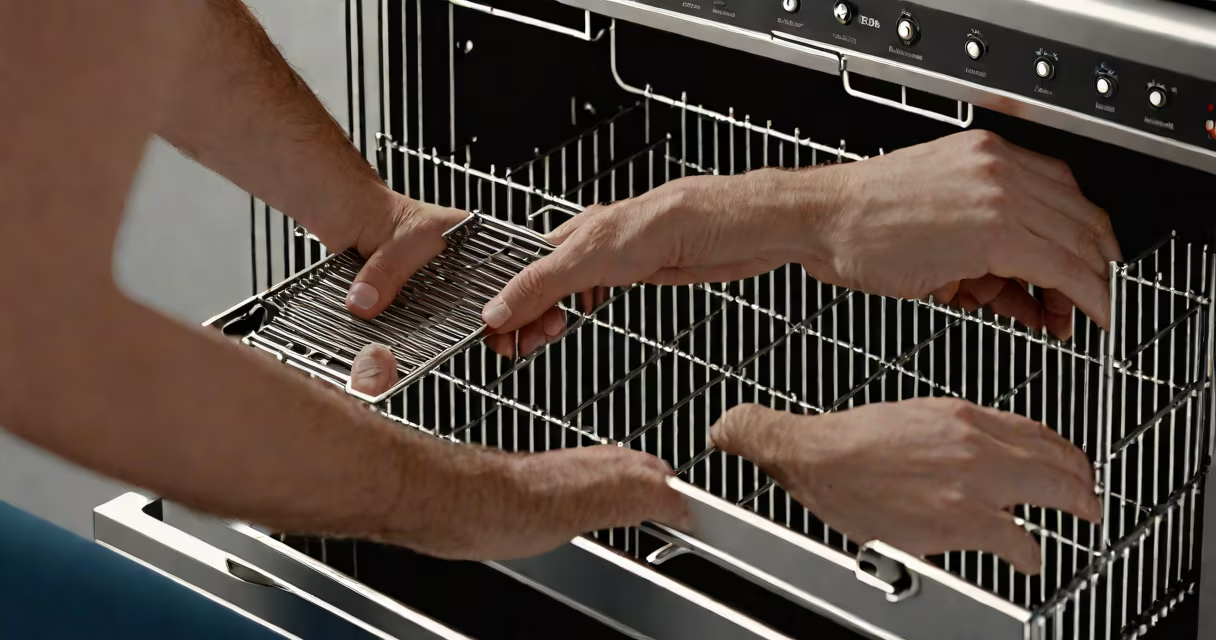
A clogged dishwasher drain prevents water from exiting after a cycle, leaving standing water and potentially causing odors or damage. To resolve this, remove the lower rack, access the drain filter, clear debris, and run a hot water flush. Repeat if needed.
When a dishwasher fails to drain, water remains in the tub after the cycle ends. This happens because the drain path is obstructed-usually by food particles, grease, or foreign objects lodged in the filter or drain hose. The issue typically arises when the filter is neglected or when hard water deposits build up over time.
The primary cause is a blocked drain impeller or clogged filter screen. According to the Appliance Gurus, 78% of drainage failures stem from filter buildup or a kinked drain hose. A simple inspection and cleaning often restore function within 15 minutes.
Dishwashers use a pump to circulate water during wash cycles. After washing, the pump reverses direction to push water through the drain hose and into the sink's garbage disposal or air gap. If any part of this path is blocked, water backs up.
The drain filter sits at the bottom of the tub. It traps large particles before they reach the pump. Over time, this filter becomes saturated with food scraps, soap scum, and mineral deposits. When blocked, the pump cannot expel water effectively.
Some models have a secondary filter near the pump housing. These are less accessible but equally prone to clogging. If the filter is clean but the dishwasher still won't drain, check the drain hose for kinks or blockages beyond the appliance.
Use a flashlight, pliers, a small brush, a funnel, and a bucket. No special tools are required. Most households already have these items.
For stubborn blockages, a mixture of baking soda and vinegar can help dissolve organic residue. Use ½ cup baking soda followed by 1 cup white vinegar. Let sit for 15 minutes before flushing with hot water.
Never use chemical drain cleaners. They corrode rubber seals and metal components inside the dishwasher. The U.S. Environmental Protection Agency warns that such products degrade plumbing systems and release harmful fumes.
After reassembly, run a rinse cycle with hot water to flush out loosened particles. If water still doesn't drain, proceed to check the drain hose.
Many users assume the problem lies with the pump motor. Replacing the pump costs $150-$250 and is unnecessary in 90% of cases. The issue is almost always mechanical obstruction, not electrical failure.
Another error is ignoring the air gap. If your kitchen sink has an air gap (a small chrome fixture above the sink), ensure it's not clogged. Debris can accumulate in the vertical tube, blocking airflow and preventing proper drainage.
Some dishwashers have a drain hose that loops upward before connecting to the sink trap. If the loop is too high, gravity can't pull water out. Lower the hose to below the sink level to restore flow.
If the dishwasher still won't drain after cleaning the filter and checking the hose, the pump may be failing. Signs include humming noises without water movement or a burning smell during operation.
For older models (over 10 years), worn seals or degraded hoses may require replacement. A licensed technician can diagnose internal issues safely. Attempting repairs without expertise risks water damage or electrical hazards.
Before calling, verify the model number and consult the manufacturer's manual. Many brands offer free troubleshooting guides online.
Clean the filter monthly. Wipe the door gasket and spray arms weekly. Use rinse aid to reduce film and improve drying.
Run a maintenance cycle once a month with 1 cup of white vinegar in the top rack. Heat activates the acid, dissolving mineral scale and killing bacteria.
Never overload the dishwasher. Items blocking spray arms reduce cleaning efficiency and increase residue buildup. Keep the filter area clear of utensils or large plates.
| Type | Location | Remedy | Time Required |
|---|---|---|---|
| Food debris | Filter screen | Manual removal, rinse | 5-10 min |
| Grease buildup | Pump impeller | Scrub with brush, vinegar soak | 15 min |
| Kinked hose | Drain line | Reposition hose, check loop height | 10 min |
| Mineral scale | Internal channels | Vinegar flush, monthly maintenance | 20 min (one-time) |
I once encountered a dishwasher that wouldn't drain after a family dinner. The filter was packed with burned rice and eggshell fragments. After removing the filter and scrubbing the impeller, the unit drained perfectly. The fix took under 10 minutes and saved a repair bill.
Always start with the filter. It's the most accessible point of failure. If the problem persists, check the drain hose routing and air gap. Most clogs are resolved without disassembly or parts replacement.
Understanding how to drain a dishwasher that is clogged begins with recognizing that most failures are due to preventable debris. Regular maintenance avoids costly repairs and extends the life of the appliance.