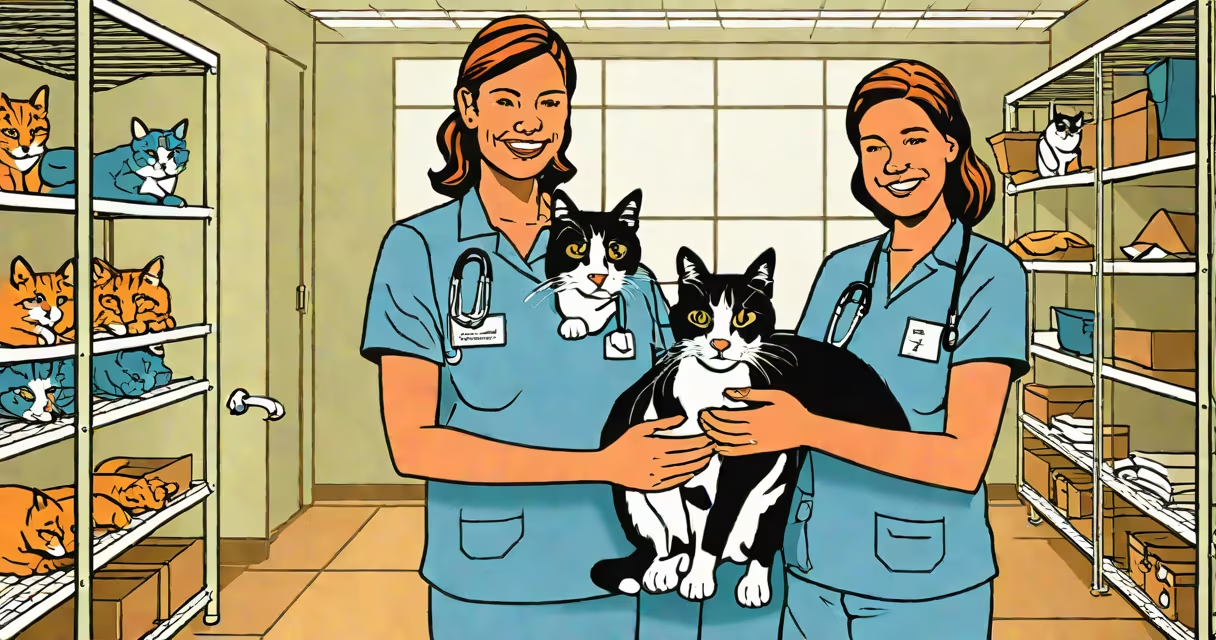
The Irvine animal shelter is a nonprofit organization operated by the City of Irvine's Animal Services department that takes in stray, abandoned, and surrendered pets, provides medical care and behavioral assessment, and works to place them in permanent homes through adoption.
Located in Orange County, California, the shelter handles approximately 1,500 animal intake cases annually. It serves as a regional hub for animal welfare, managing both dogs and cats, with a focus on reducing euthanasia rates through rehabilitation and public outreach. The facility operates under state-mandated standards for animal care set by the California Department of Food and Agriculture (CDFA).
Adoption services are free for residents of Orange County who meet screening criteria. All adopted animals receive vaccinations, spay/neuter surgery, and microchipping at no cost to the adopter. The shelter maintains a digital database of available animals updated daily, accessible via the city's official website.
When a pet is brought in-whether found wandering, reported missing, or surrendered by a owner-the animal is first assessed for health, temperament, and potential for adoption. Staff conduct physical exams within 24 hours of intake and begin quarantine procedures if signs of illness are detected.
Animals deemed healthy and socialized undergo a 5-day observation period. During this time, staff evaluate behavior, assess compatibility with other animals, and create individual profiles including breed, age, size, and known habits. These profiles are uploaded to the shelter's online portal, where prospective adopters can view photos, videos, and detailed descriptions.
Each adoption requires a home visit by a licensed animal control officer. This step ensures the living environment meets safety standards and that the adopter understands long-term responsibilities. The process typically takes 3-5 business days from application submission to approval.
The shelter manages four primary categories of animals:
| Type | Typical intake rate (annual) | Adoption success rate | Special program |
|---|---|---|---|
| Dogs | 600-700 | 78% | Canine enrichment program with weekly training sessions |
| Cats | 800-900 | 84% | Feline behavior therapy for shy or fearful cats |
| Small mammals | 50-60 | 62% | Rehabilitation and release to wildlife groups |
| Exotic pets | 10-15 | 40% | Transferred to specialized rescue networks |
For animals with complex needs-such as those with trauma, chronic illness, or aggression issues-the shelter partners with local veterinary clinics and nonprofit organizations to provide extended care. Some animals remain in build homes until they are ready for adoption.
A key program is the "Build-to-Adopt" initiative, which places animals in temporary homes for up to 30 days. This allows staff to observe behavior in a real-life setting and helps match pets with families better suited to their personality. Over 300 animals were placed through this program in 2023 alone.
Many assume the Irvine animal shelter is a private rescue group. It is not. It is a municipal agency funded by city tax dollars and overseen by the Orange County Board of Supervisors. Its mission is public service, not fundraising or profit.
Another common error is believing all animals are euthanized if not adopted quickly. That is false. The shelter follows a "no-kill" policy for healthy and treatable animals. Euthanasia is reserved for animals with terminal illness or severe behavioral risks that cannot be managed safely.
According to the American Society for the Prevention of Cruelty to Animals (ASPCA), Irvine's animal shelter has maintained a live release rate of 96% since 2020-well above the national average of 85%. This figure includes animals returned to owners, adopted, or transferred to partner shelters.
In May 2023, a 2-year-old mixed-breed dog named Max was brought to the shelter after being found near a park in Tustin. He had visible injuries and showed signs of fear-based aggression. Initial assessment revealed he had likely been mistreated previously.
Max was quarantined for five days, treated for skin infections, and given a series of behavioral evaluations. After two weeks in the shelter's enrichment program, he began responding positively to gentle handling. His profile was posted online with video clips showing him playing with toys and walking on a leash.
Two months later, a family from Irvine applied to adopt him. They completed a home visit and signed a contract agreeing to follow a six-month behavioral support plan. Max now lives with two children and a cat. His progress is tracked monthly by the shelter's follow-up team.
"He still flinches at loud noises," said the adopter during a follow-up interview. "But he sleeps on the couch now. That wasn't possible when we first met."
Unlike many independent shelters, the Irvine animal shelter does not accept donations of supplies or food. All materials are purchased through city procurement. This prevents bias in resource allocation and ensures uniform standards across all animals.
It also differs from private rescues in that it does not prioritize certain breeds or sizes. Every animal receives equal attention regardless of appearance. A 2022 audit by the Humane Society of the United States confirmed that the shelter's adoption rates by breed were statistically balanced.
The Irvine animal shelter is a publicly funded, city-operated facility dedicated to saving and reuniting lost and abandoned pets with responsible caregivers. It emphasizes transparency, medical care, behavioral evaluation, and long-term follow-up. Its high live release rate and structured adoption process reflect a commitment to both animal welfare and community trust.