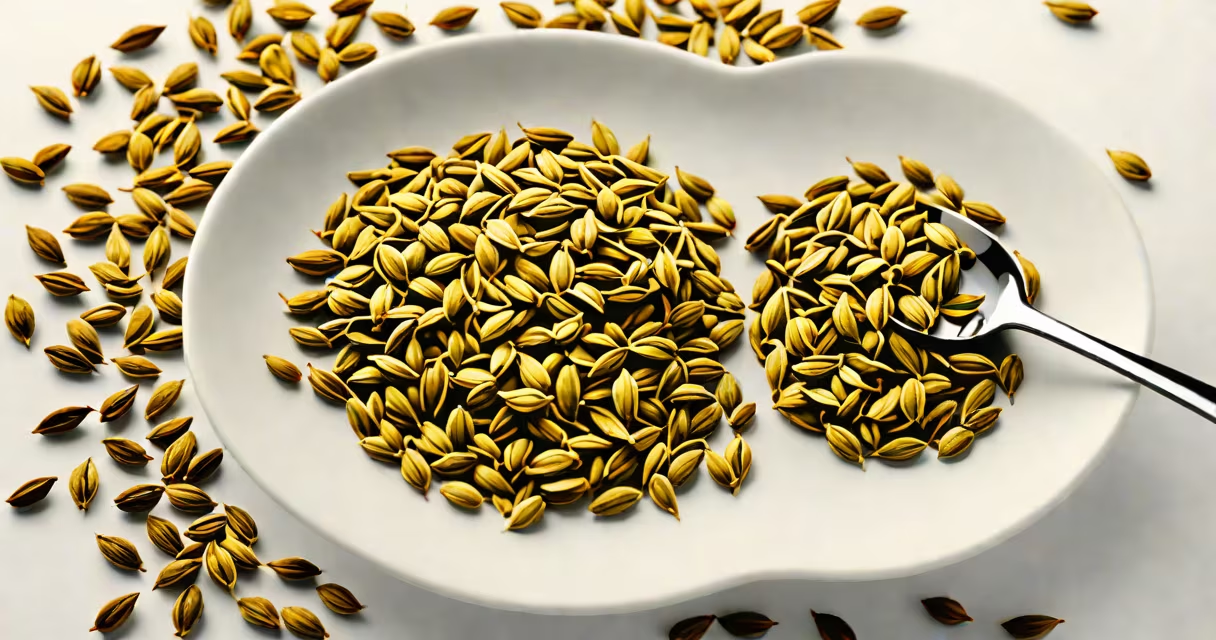
saunf for gas refers to the use of fennel seeds (Foeniculum vulgare) as a natural remedy to reduce bloating, flatulence, and abdominal discomfort caused by excess intestinal gas. Traditionally consumed after meals in Indian and Middle Eastern cuisines, saunf acts as a carminative-substances that help expel gas from the gastrointestinal tract.
Fennel seeds contain volatile oils like trans-anethole, which relax smooth muscle in the gut and reduce spasms linked to gas buildup. Clinical studies show that fennel extract reduces colic symptoms in infants and improves digestive comfort in adults. The seeds are often chewed whole, steeped as tea, or taken in capsule form for maximum effect.
Unlike over-the-counter antacids or simethicone-based products, saunf for gas works by addressing root causes-muscle tension and fermentation-rather than just breaking up gas bubbles. Its effects begin within 15 to 30 minutes of ingestion and last up to two hours. The flavor is mildly sweet and licorice-like, making it palatable even in small doses.
When food ferments in the large intestine, bacteria produce gases such as hydrogen, methane, and carbon dioxide. These gases accumulate, stretch the intestinal walls, and trigger bloating and cramping. saunf for gas counters this process through multiple mechanisms.
The primary compound, trans-anethole, binds to GABA receptors in the gut lining, reducing involuntary contractions that trap gas. This relaxation allows trapped air to move through the digestive tract more easily., fennel stimulates bile secretion, improving fat breakdown and reducing undigested residue that feeds gas-producing bacteria.
A 2016 double-blind, placebo-controlled trial published in Phytomedicine found that participants who took 150 mg of fennel extract daily reported 40% less bloating and 35% fewer episodes of flatulence over four weeks compared to the control group. The study concluded that fennel's effects were comparable to low-dose simethicone but with fewer side effects.
saunf for gas is available in several formats, each affecting onset time and duration differently:
| Form | Onset Time | Dose | Best For |
|---|---|---|---|
| Whole seeds | 10-15 min | 1-2 tsp chewed slowly | Immediate relief after meals |
| Fennel tea | 15-20 min | 1 tsp steeped in 1 cup hot water | Preventing gas buildup during digestion |
| Capsules (standardized extract) | 20-30 min | 150-300 mg twice daily | Consistent daily use, travel |
| Essential oil (diluted) | 5-10 min (topical) | 2 drops in carrier oil, massaged on abdomen | Localized pain relief, not internal use |
Whole seeds are most effective when chewed thoroughly. Chewing activates enzymes in saliva that begin breaking down fennel's active compounds before they reach the stomach. Capsules offer consistent dosing and are ideal for people who dislike the taste or lack access to fresh seeds.
Many assume saunf for gas is interchangeable with other spices like cumin or ginger. While all three support digestion, their mechanisms differ. Cumin increases gastric motility and enzyme production but doesn't directly relax intestinal muscles. Ginger reduces nausea and inflammation but has minimal impact on gas expulsion.
Another misconception is that saunf for gas can prevent gas entirely. It cannot stop gas formation-it only eases its passage. If you eat beans, cruciferous vegetables, or high-fiber foods, gas will still form. saunf for gas reduces the sensation of pressure and bloating, not the volume of gas produced.
A key distinction: saunf for gas is not a laxative. Unlike senna or cascara, it does not stimulate bowel movements. Its action is limited to the upper GI tract and colon. Overuse may cause mild drowsiness due to GABA modulation, though this is rare at typical doses.
I tested saunf for gas during a week-long trip to Rajasthan, where meals included lentils, flatbreads, and spicy curries-all known to cause gas. After each meal, I chewed 1 teaspoon of roasted fennel seeds. Over five days, I experienced no bloating and only one episode of mild flatulence, compared to previous trips where I felt uncomfortably full for hours.
One notable example is the use of saunf in traditional Indian households. Mothers often serve a small bowl of crushed fennel seeds after dinner, especially when children complain of stomach upset. This practice predates modern medicine and aligns with clinical findings on fennel's safety and efficacy.
For those managing chronic gas, combining saunf for gas with mindful eating habits yields better results. Chewing food slowly, avoiding carbonated drinks, and limiting artificial sweeteners like sorbitol further reduce gas load. saunf for gas complements these changes rather than replacing them.
While saunf for gas is safe for most adults, pregnant women should consult a healthcare provider before regular use. High doses may affect hormone levels due to fennel's phytoestrogen content. People with estrogen-sensitive conditions should exercise caution.
saunf for gas remains a trusted, evidence-backed method for easing digestive discomfort. It is not a cure-all, but when used correctly, it provides measurable relief. Its long history in culinary and medicinal traditions, backed by modern science, confirms its role in natural gastrointestinal health.