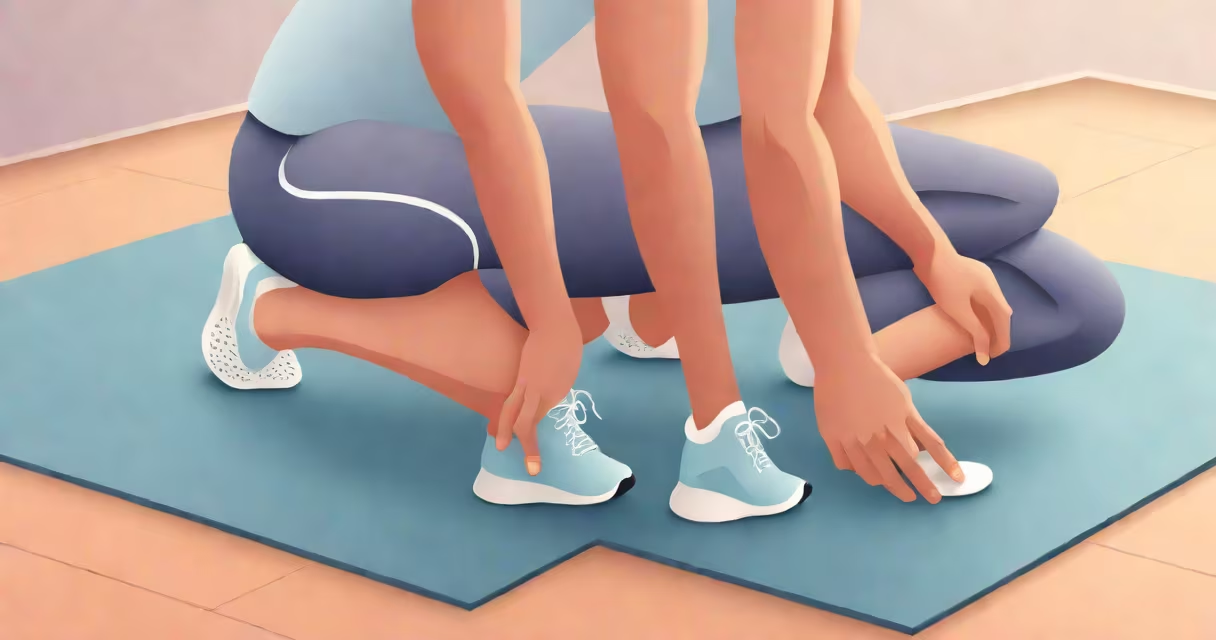
A muscle strain in the hip and back occurs when a muscle or tendon in the lower back or hip region is overstretched or torn, often due to sudden motion, heavy lifting, or repetitive stress. This injury typically causes localized pain, stiffness, and reduced mobility in the affected area.
The condition most commonly affects the iliopsoas, gluteal muscles, or erector spinae group. These muscles stabilize the pelvis and support upright posture. When strained, they disrupt normal movement patterns and trigger protective muscle spasms. Pain usually worsens with bending, twisting, or standing for long periods.
According to the American Academy of Orthopaedic Surgeons (AAOS), muscle strains account for about 30% of all musculoskeletal injuries seen in outpatient clinics. The majority occur in individuals aged 20-50 who engage in physical activity without proper warm-up or conditioning.
Strains happen when a muscle is forced beyond its normal range of motion. For example, lifting a heavy suitcase with poor form can overload the lower back muscles. Similarly, sprinting or kicking in sports may strain the hip flexors, especially if the athlete hasn't warmed up.
The body responds to micro-tears in muscle fibers by triggering inflammation. This leads to swelling, tenderness, and pain. The severity ranges from Grade 1 (mild stretching) to Grade 3 (complete rupture), with recovery times varying accordingly.
One underappreciated factor is nerve entrapment. A strained muscle can compress nearby nerves, such as the sciatic nerve, leading to radiating pain down the leg. This mimics sciatica but stems from muscular tension rather than disc issues.
Strains in the hip and back fall into distinct categories based on location and function:
| Location | Primary Muscles Affected | Common Triggers | Typical Symptoms |
|---|---|---|---|
| Lower back | Erector spinae, quadratus lumborum | Lifting, bending, prolonged sitting | Sharp pain when leaning forward, stiffness in morning |
| Front hip (hip flexors) | Iliopsoas, rectus femoris | Sprinting, kicking, prolonged sitting | Pain when raising knee, tightness in front of hip |
| Side/back of hip | Gluteus medius, piriformis | Twisting motions, running on uneven ground | Pain when lying on side, difficulty climbing stairs |
Grade 1 strains involve minor tears and mild discomfort. Grade 2 strains cause moderate pain and loss of strength. Grade 3 strains result in complete muscle rupture, requiring surgical repair in rare cases.
Many people mistake a muscle strain in the hip and back for a herniated disc or joint arthritis. Both conditions share symptoms like pain during movement and limited range of motion. However, disc-related pain often radiates down the leg and may include numbness or tingling-signs not typical of pure muscle strain.
Another common error is treating the symptom instead of the root cause. For example, applying heat too early can increase swelling. Cold therapy within the first 48 hours reduces inflammation and prevents further tissue damage.
One overlooked distinction: muscle strains don't show up on standard X-rays. MRI scans are needed to confirm the extent of soft tissue damage. The AAOS notes that 60% of patients initially diagnosed with "back pain" actually have muscle strain, not structural spine issues.
In 2022, a 34-year-old recreational runner reported sharp pain in his right hip and lower back after increasing weekly mileage from 20 to 40 miles. He had skipped changing warm-ups and trained on hard pavement. By day three, he couldn't walk without limping.
He visited a physical therapist who diagnosed a Grade 2 strain in the right iliopsoas and erector spinae. Treatment included 72 hours of ice, rest, and nonsteroidal anti-inflammatory drugs (NSAIDs). After four days, he began gentle stretching and core stabilization exercises.
By week three, he resumed walking. Full return to running occurred at six weeks, with gradual mileage increases. His recovery was faster because he avoided high-impact activity and focused on strengthening supporting muscles.
Rest, ice, compression, and elevation (RICE) are recommended for the first 48-72 hours. After that, gentle movement helps prevent stiffness. Physical therapy improves flexibility and strengthens stabilizing muscles like the transverse abdominis and multifidus.
Strengthening the core reduces load on the lower back and hips. Exercises such as bird-dogs, dead bugs, and planks improve neuromuscular control. A study published in the Journal of Orthopaedic & Sports Physical Therapy found that participants who performed core stability training reduced reinjury rates by 45% over 12 months.
Proper warm-up before activity lowers risk. Changing stretches like leg swings and walking lunges prepare muscles for movement. Always cool down with static stretches targeting the hip flexors and lower back.
When pain persists beyond 10 days or worsens, seek medical evaluation. Imaging may be needed to rule out fractures, tumors, or nerve compression.