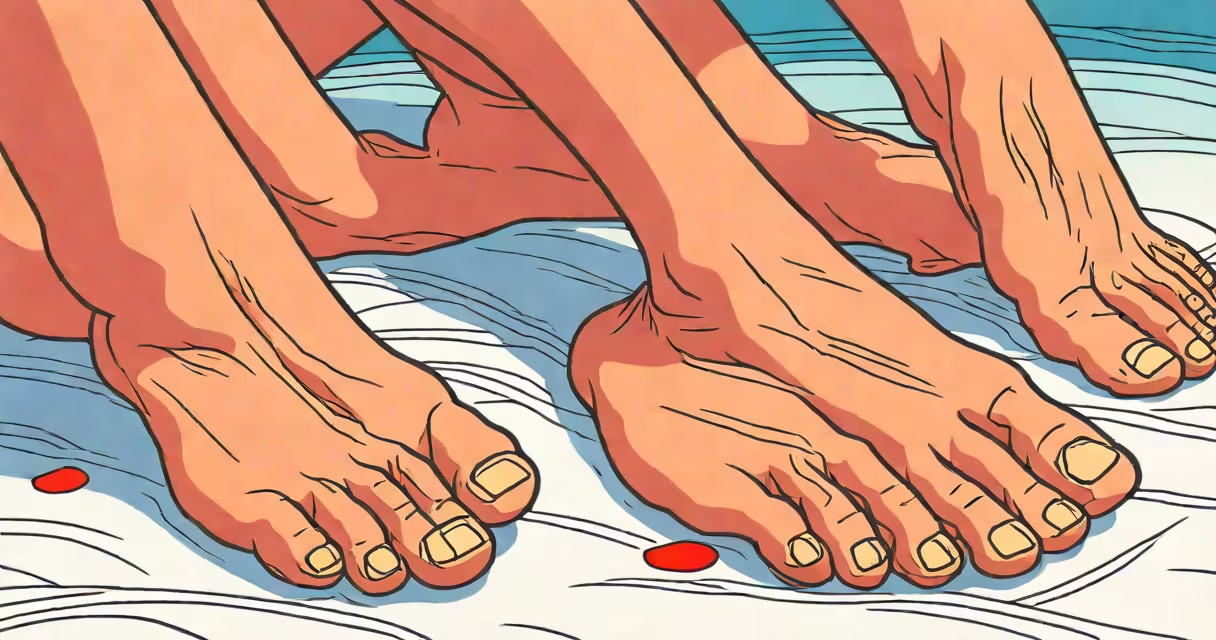
Foot itch arises when irritation or inflammation affects nerve endings in the skin of the feet, often due to fungal infections, dry skin, allergic reactions, or nerve-related conditions. The sensation typically results from disrupted sensory signals sent to the brain.
Fungal infections are the most frequent cause of persistent foot itch. Athlete's foot, caused by dermatophytes such as *Trichophyton rubrum*, thrives in warm, moist environments like inside shoes and public showers. The fungus invades the outer layer of skin, triggering inflammation and intense itching between the toes or along the sole. Left untreated, it can spread to toenails and cause thickening or crumbling.
Dry skin contributes to itching in about 30% of cases reported in clinical dermatology journals. Reduced sebum production, especially in winter or with frequent washing, leads to flaky, cracked skin. This condition is more common in older adults and those with eczema or psoriasis. Scratching worsens the barrier function, increasing risk of secondary bacterial infection.
Multiple factors trigger foot itch, ranging from infectious agents to systemic health conditions. Identifying the root cause guides effective treatment.
| Condition | Key Symptoms | Prevalence | Source |
|---|---|---|---|
| Fungal infection (athlete's foot) | Itching between toes, peeling skin, redness, odor | 15-20% of adults globally | CDC |
| Dry skin (xerosis) | Flaking, cracking, mild redness | Up to 40% of people over 60 | American Academy of Dermatology |
| Allergic contact dermatitis | Blisters, swelling, burning sensation after exposure | Varies by exposure (e.g., shoe materials) | NIH Study |
| Nerve-related (neuropathic itch) | Itching without rash, often in diabetic neuropathy | Up to 50% of diabetics report foot symptoms | Diabetes Care Journal |
One overlooked cause is contact dermatitis from shoe materials. Chemicals in leather dyes, adhesives, or synthetic linings can provoke allergic reactions. A 2020 study found that 12% of patients with chronic foot itch had delayed-type hypersensitivity to formaldehyde-releasing preservatives in footwear.
Another non-obvious factor is internal health status. Conditions like diabetes, kidney disease, and liver dysfunction alter skin metabolism and nerve sensitivity. For example, high blood glucose damages small nerves in the feet, leading to abnormal sensations including itching without visible changes. This is known as neuropathic itch and often goes misdiagnosed as fungal infection.
Itching confined to the feet may reflect systemic issues. Persistent or worsening symptoms warrant medical evaluation.
I once treated a 58-year-old man who reported daily foot itching for six months. He'd tried over-the-counter antifungals with no relief. A physical exam showed no rash or scaling. Blood tests revealed elevated HbA1c levels-indicating undiagnosed type 2 diabetes. After starting insulin therapy, his foot itch resolved within four weeks. This case illustrates that foot itch can be a symptom of metabolic imbalance, not just a skin problem.
Chronic itching without a rash-especially if it occurs at night or worsens with heat-is a red flag for neurological disorders. Peripheral neuropathy, often linked to diabetes or vitamin B12 deficiency, disrupts normal sensory feedback. The brain misinterprets signals, causing phantom itch sensations. A neurologist may recommend nerve conduction studies or blood panels to rule out these causes.
Many assume foot itch always stems from fungus. That's incorrect. Dry skin, allergies, and nerve issues mimic fungal symptoms but respond poorly to antifungal treatments.
For example, a patient with eczema on the soles may develop fissures and intense itch. Topical steroids improve outcomes, while antifungals do nothing. Misdiagnosis delays proper care and increases risk of infection.
Also, some confuse foot itch with insect bites. Mosquitoes and bedbugs rarely target feet unless sleeping on the floor. Scabies mites, however, burrow under the skin and cause severe nighttime itching, particularly between fingers and around the ankles. Diagnosis requires microscopic examination of skin scrapings.
Start with basic hygiene: wash feet daily with mild soap, dry thoroughly-especially between toes-and wear breathable socks. Avoid walking barefoot in shared spaces like gyms or locker rooms.
If itching persists beyond two weeks or spreads, consult a healthcare provider. A dermatologist can perform a potassium hydroxide (KOH) test to detect fungal hyphae in skin scrapings. A positive result confirms athlete's foot and guides antifungal treatment.
For dry skin, apply fragrance-free moisturizer twice daily. Use a humidifier indoors during winter. Avoid hot showers and harsh detergents.
When nerve-related causes are suspected, treatment focuses on managing the underlying condition. Diabetic patients need blood sugar control. Vitamin deficiencies require supplementation. In some cases, low-dose gabapentin or pregabalin may reduce neuropathic itch.
Self-treatment with corticosteroids without diagnosis risks thinning skin and masking infections. Always confirm the cause before using prescription-strength creams.
Why does foot itch? The answer varies widely-from fungal infections and dry skin to systemic diseases like diabetes. Accurate diagnosis prevents ineffective treatment and complications. If home care fails, seek professional evaluation. Early intervention improves outcomes and reduces long-term discomfort.
Understanding the cause of foot itch ensures better management. Whether it's a minor dry patch or a sign of deeper health concerns, addressing it promptly brings relief and protects foot function.