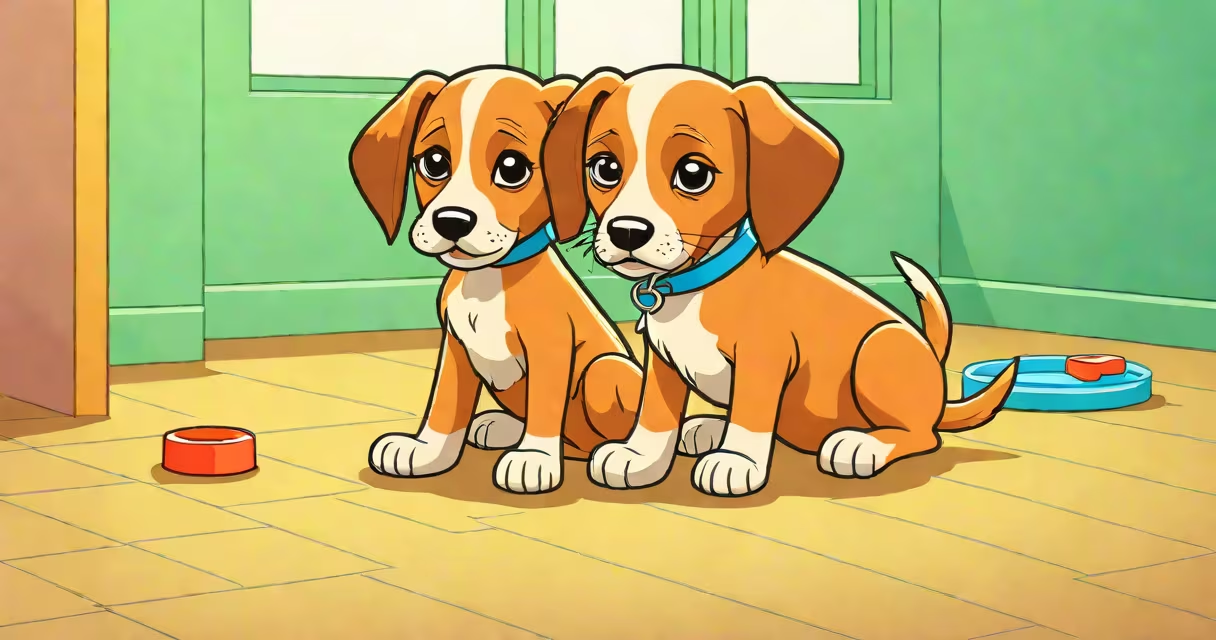
A puppy has soft stool when its feces lack firmness, often appearing mushy, runny, or shaped like a log with a squishy texture. This condition is common in young dogs but can signal minor issues or serious health problems requiring prompt attention.
Soft stool occurs when food passes through the intestines too quickly, reducing water absorption. The result is feces that don't hold shape and may leave a mess on the floor or in the crate. While occasional soft stool is normal-especially after dietary changes-it becomes concerning when it persists beyond 24 hours or appears with other symptoms.
According to the American Kennel Club, up to 30% of puppies experience mild gastrointestinal upset during the first few weeks after adoption due to stress or new food. However, persistent soft stool can indicate infection, parasites, or food intolerance. Early recognition improves outcomes.
The digestive system in puppies under 16 weeks is still developing. Enzymes and gut bacteria aren't fully established, making them vulnerable to disruptions. When food moves too quickly through the intestines-due to stress, sudden diet changes, or illness-water isn't absorbed properly, leading to soft or watery stool.
For example, a 10-week-old Shih Tzu adopted from a breeder began passing soft stool within 48 hours of arriving home. The owner had switched from kibble to a raw diet without a transition period. Within two days, the puppy's stool became increasingly loose, and the dog showed mild lethargy. After consulting a veterinarian, the owner reverted to the original food and introduced probiotics. By day four, stool consistency returned to normal.
Diarrhea is not always the same as soft stool. Diarrhea involves frequent, large-volume, liquid stools. Soft stool falls between normal firm feces and full diarrhea. The Bristol Stool Scale classifies soft stool as Type 5 or 6-mushy, with clear edges but no solid form.
Several factors cause soft stool in puppies. The most frequent are:
One key distinction often missed: soft stool doesn't always mean illness. A puppy eating grass or licking a dirty surface may pass soft stool without disease. But if the stool contains mucus, blood, or the puppy shows vomiting, dehydration, or loss of appetite, it's not normal.
Non-obvious fact: Soft stool can be a sign of pancreatitis in young dogs. Pancreatic enzymes leak into the gut when inflamed, causing fat malabsorption. This leads to greasy, floating stools. This condition is rare but underdiagnosed in puppies under six months.
Soft stool lasting more than 24 hours, especially with other symptoms, warrants a vet visit. Red flags include:
For example, a 12-week-old Dachshund presented with soft stool for two days, vomiting once, and a temperature of 103.2°F. Blood work revealed elevated liver enzymes and low protein levels. The diagnosis was early-stage pancreatic insufficiency. With enzyme supplements and a low-fat diet, the puppy recovered in seven days.
Do not assume soft stool is harmless. The American Veterinary Medical Association warns that untreated gastrointestinal issues in puppies can lead to severe dehydration, electrolyte imbalance, and even death within 48 hours.
Understanding the difference between soft stool, diarrhea, and constipation prevents misdiagnosis.
| Type | Consistency | Frequency | Common Causes |
|---|---|---|---|
| Soft stool | Mushy, shapeless, may stick to floor | Once or twice daily | Diet change, stress, mild infection |
| Watery stool in puppy | Clear liquid, no form | Multiple times daily | Parvovirus, severe infection, food poisoning |
| Constipation | Hard, dry, difficult to pass | Less than once every 48 hours | Dehydration, hairballs, blockage |
Soft stool is not the same as diarrhea. Watery stool in puppy indicates rapid intestinal transit and high fluid content. It's more dangerous because it increases dehydration risk. For instance, a puppy with parvovirus may pass watery stool every 15 minutes, losing up to 15% of body weight in fluids within 24 hours.
One common mistake: owners treat soft stool with over-the-counter medications meant for humans. Loperamide (Imodium) can cause severe side effects in dogs, including paralysis and cardiac arrest. The FDA advises against using human anti-diarrheals in pets without veterinary guidance.
If your puppy has soft stool, start with a 24-hour fast (no food, water only) to rest the digestive tract. Then reintroduce a bland diet: boiled chicken and white rice in a 2:1 ratio. Feed small portions every 3-4 hours.
Monitor closely. If stool returns to normal within 24 hours, gradually reintroduce regular food. If not, contact a veterinarian. Keep a record of stool frequency, appearance, and any behavioral changes.
For persistent cases, a vet may perform a fecal float test to check for parasites or a blood panel to assess organ function. In some cases, a food elimination trial is needed to identify allergies.
Early intervention prevents complications. A puppy with soft stool is not necessarily sick-but ignoring it risks worsening conditions. Always consult a professional when uncertainty arises.