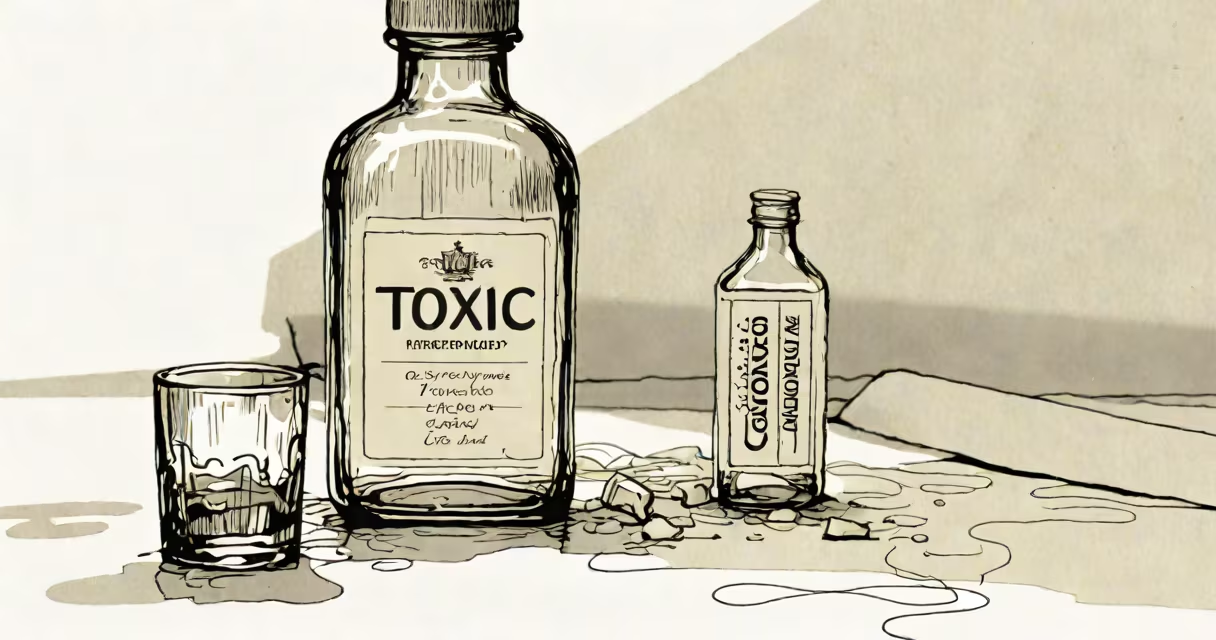
Drinking substances such as undiluted alcohol, household cleaners, or toxic chemicals can induce vomiting as a protective reflex. This response occurs because the body recognizes these substances as dangerous and activates the vomiting center in the brainstem.
Vomiting is a physiological defense mechanism. When harmful substances enter the digestive tract, the body responds by expelling them through forceful contractions of the stomach and diaphragm. The brainstem's chemoreceptor trigger zone detects toxins in the blood or gastrointestinal lining and initiates the process. This is why ingesting certain liquids-especially those not meant for human consumption-leads to immediate nausea and vomiting.
Medical literature confirms that substances like ethanol in high concentrations, bleach, ammonia, and methanol are potent emetics. The U.S. Centers for Disease Control and Prevention (CDC) warns that ingestion of these materials can cause severe internal damage, including burns to the esophagus and stomach lining, even in small amounts. The American Academy of Pediatrics notes that children who ingest cleaning products often vomit within minutes due to the irritant effect on mucous membranes.
The body's vomiting reflex begins when toxins stimulate receptors in the mouth, throat, or stomach. These signals travel via the vagus nerve to the medulla oblongata-the area of the brain responsible for controlling autonomic functions like breathing, heart rate, and vomiting. Once activated, the medulla coordinates muscle contractions to force contents out of the stomach and up through the esophagus.
Alcohol is a common substance known to trigger vomiting. A 2021 study published in Alcohol Research: Current Reviews found that consuming more than four standard drinks in under two hours leads to acute nausea in 68% of participants. The liver metabolizes ethanol into acetaldehyde, a toxic compound that irritates the gastric lining and stimulates the vomiting center. This explains why drinking large quantities of beer, wine, or spirits often results in rapid onset of nausea and eventual vomiting.
Some people attempt to induce vomiting intentionally using specific beverages. However, this practice is extremely dangerous. The National Institute on Drug Abuse (NIDA) reports that forced vomiting linked to eating disorders increases the risk of esophageal rupture, electrolyte imbalance, and cardiac arrhythmias. Even if a person believes they are avoiding harm by "purging," the act itself causes significant physical trauma.
Not all liquids that provoke vomiting are consumed intentionally. Many household and industrial products contain ingredients that are highly irritating or toxic. Examples include:
A 2019 case report from the Journal of Emergency Medicine described a patient who drank a quarter cup of rubbing alcohol (isopropyl alcohol) to "cleanse" their system. Within 15 minutes, they experienced dizziness, confusion, and violent vomiting. They required hospitalization for alcohol poisoning and metabolic acidosis.
Many people believe that drinking certain beverages-like soda or energy drinks-can safely induce vomiting. This is false. While excessive sugar or caffeine may cause nausea in sensitive individuals, they do not reliably trigger vomiting. Energy drinks contain up to 300 mg of caffeine per serving, which can lead to jitteriness or increased heart rate, but not intentional emesis.
Another myth is that drinking saltwater or vinegar makes you vomit. Saltwater can cause dehydration and electrolyte shifts, leading to nausea, but it rarely induces actual vomiting. Vinegar, while acidic, doesn't have enough potency to consistently trigger the gag reflex. The body's vomiting center requires a strong chemical or mechanical stimulus to activate.
One non-obvious fact: The vomiting reflex can be triggered by smell alone. A 2020 study in Neurogastroenterology & Motility showed that the scent of spoiled food or harsh chemicals activates the brainstem's vomiting center even without ingestion. This is why people feel nauseous walking into a room with a strong chemical odor.
Some conditions cause vomiting without the ingestion of any external substance. For example, norovirus infection leads to vomiting in 90% of cases, according to the CDC. The virus attacks the intestinal lining, causing inflammation and rapid gastric emptying. Symptoms typically begin 12-48 hours after exposure and last 12-60 hours.
Vertigo, especially vestibular neuritis, can also cause nausea and vomiting. The inner ear controls balance, and when it malfunctions, the brain receives conflicting signals. The result is dizziness, disorientation, and often vomiting. A 2022 review in Frontiers in Neurology found that 60% of patients with acute vertigo reported vomiting during episodes.
Overeating is another frequent cause of vomiting. Consuming more than 2,500 calories in a single meal overwhelms the stomach's capacity. The stretch receptors in the gastric wall send signals to the brainstem, triggering the vomiting reflex. This is why binge eating often ends in regurgitation.
In 2018, a 21-year-old college student attempted to induce vomiting after eating a large meal. He drank a full bottle of vodka (750 mL, 40% alcohol) and then tried to gag himself. He lost consciousness and was rushed to the emergency department. Blood tests revealed a blood alcohol level of 0.32%, far above the legal limit of 0.08%. He developed aspiration pneumonia and required intubation. His recovery took over two weeks.
This case illustrates how dangerous intentional vomiting can be. Alcohol suppresses the gag reflex, making choking more likely. The combination of alcohol and forceful retching increases the risk of esophageal tears-a condition called Mallory-Weiss syndrome. The American Gastroenterological Association reports that 15% of patients with severe vomiting require endoscopic treatment for bleeding.