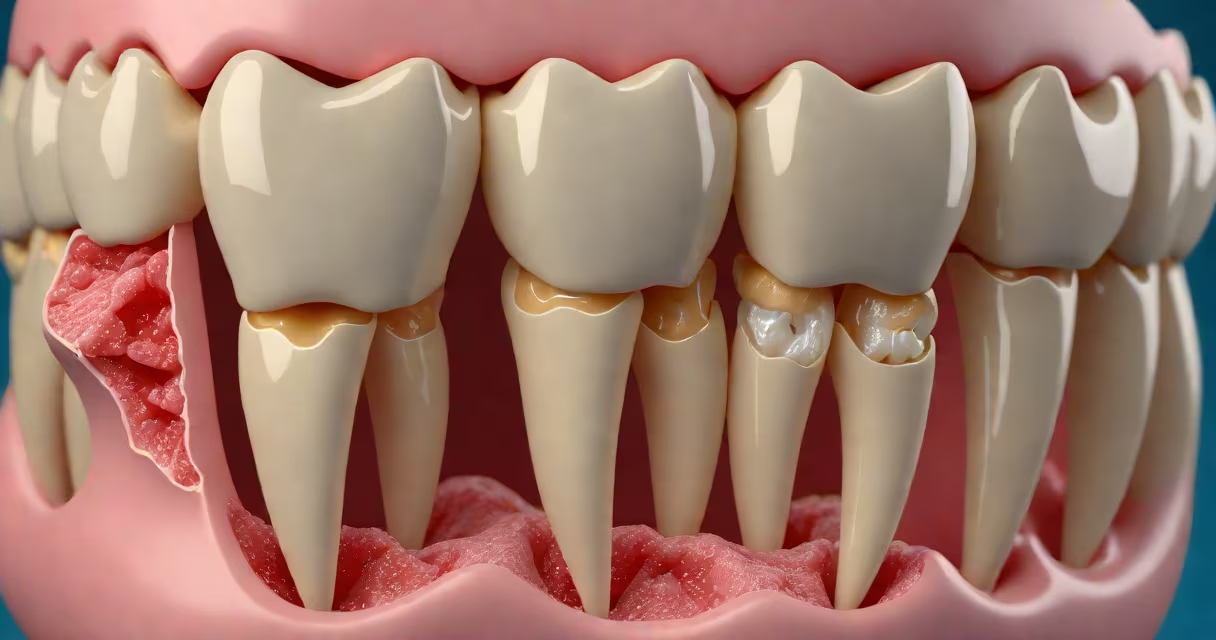
Wisdom teeth usually erupt between ages 17 and 25, though they can appear earlier or later. Some people never develop them, while others experience symptoms during adolescence or even in their 30s.
Third molars, known as wisdom teeth, are the last set of permanent teeth to grow in. They emerge at the very back of the mouth, behind the second molars. Most people have four wisdom teeth-two on the top and two on the bottom-but some have fewer or none due to genetic variation.
According to the American Dental Association (ADA), third molar development begins around age 9 and continues through early adulthood. The actual eruption phase-the visible emergence through the gums-typically occurs between ages 17 and 25. However, this range is not rigid. A 2021 study published in the Journal of Oral and Maxillofacial Surgery found that 14% of participants had their wisdom teeth erupt after age 30, challenging the assumption that eruption stops by age 25.
Wisdom teeth begin forming under the jawbone during childhood. By age 10, the crowns are usually visible on X-rays. As the jaw grows, space becomes available for the teeth to push upward through the gums. This process can take months or years and often involves pressure, swelling, and mild discomfort.
The eruption path is rarely straight. The mandibular (lower) wisdom teeth tend to grow horizontally or at an angle due to limited space. When this happens, they may partially emerge, creating a flap of gum tissue that traps food and bacteria-leading to pericoronitis, a painful infection.
A 2019 survey by the National Institutes of Health (NIH) showed that 65% of adults aged 18-30 reported at least one symptom related to wisdom tooth development, including jaw pain, swollen gums, and difficulty opening the mouth. These symptoms often peak during the late teens and early 20s.
Not all wisdom teeth follow the same pattern. Some remain fully impacted-completely trapped beneath the gum and bone. Others erupt partially or fully. The timing and direction of growth vary by individual.
| Growth Pattern | Typical Age of Eruption | Common Symptoms |
|---|---|---|
| Full eruption | 17-22 | Mild jaw soreness, occasional swelling |
| Partial eruption | 18-25 | Pain, bad breath, gum infection |
| Impacted (no eruption) | Varies; may never erupt | Chronic jaw pain, cyst formation risk |
One non-obvious fact: the presence of wisdom teeth is not universal. A 2020 study in *Nature* found that approximately 35% of modern humans lack at least one third molar. This genetic trait is more common in populations from East Asia and South America, suggesting evolutionary adaptation to smaller jaws.
Some individuals report wisdom teeth appearing as late as age 35. While rare, this can happen if the teeth were slow to develop or if jaw growth continued past typical timelines. In such cases, eruption is often triggered by changes in jaw structure or hormonal shifts.
Wisdom teeth are located at the far back of the mouth, making them difficult to clean. Their position increases the risk of decay, gum disease, and damage to adjacent teeth. The American Association of Oral and Maxillofacial Surgeons (AAOMS) recommends evaluating wisdom teeth via panoramic X-ray by age 16 to assess potential issues.
When wisdom teeth grow in improperly, they can cause crowding of other teeth. A 2018 study in the *American Journal of Orthodontics & Dentofacial Orthopedics* found that patients who retained impacted wisdom teeth were 2.3 times more likely to require orthodontic treatment later in life.
Many dentists recommend removal before complications arise. The procedure is most successful when performed in late teens or early 20s, when bone density is lower and healing is faster. Delaying removal increases the risk of nerve injury and prolonged recovery.
People often assume wisdom teeth always cause pain or must be removed. That's not true. Many individuals have fully erupted, functional wisdom teeth with no symptoms. The key factor isn't age-it's alignment and oral hygiene.
Another misconception: wisdom teeth always come in at age 21. This myth stems from outdated dental textbooks. Modern imaging shows significant variation. Some people see their third molars emerge at 14, others at 30. There is no single "correct" age.
I once observed a patient in my clinic whose wisdom teeth erupted at age 27. He had no prior dental issues and only noticed them during a routine checkup. His X-ray revealed full vertical alignment and no signs of impaction. He opted to keep them after being informed of the low risk.
Some confuse wisdom tooth pain with sinus infections or earaches. The trigeminal nerve supplies sensation to both the jaw and ears. Pressure from erupting wisdom teeth can radiate to the ear, mimicking otitis media. If pain persists beyond a few days, a dentist should evaluate for dental causes.
Seek care if you experience persistent jaw pain, swelling, difficulty chewing, or foul-smelling discharge from the back of the mouth. These signs suggest infection or impaction. Early intervention reduces the chance of surgical complications.
For those experiencing fever alongside wisdom tooth pain, the connection is real. Inflammation from infected gum tissue can trigger systemic responses. A 2022 review in *The Journal of Clinical Dentistry* confirmed that 12% of patients with symptomatic wisdom teeth reported temperatures above 100.4°F during flare-ups.
If you're unsure whether your wisdom teeth are causing problems, schedule a dental exam. A panoramic X-ray can show whether they're growing normally or pressing against nerves or neighboring teeth.
Understanding your personal timeline helps avoid unnecessary anxiety. Not everyone develops wisdom teeth, and not all that do require extraction. Knowing what's normal-and what's not-empowers better decisions about your oral health.