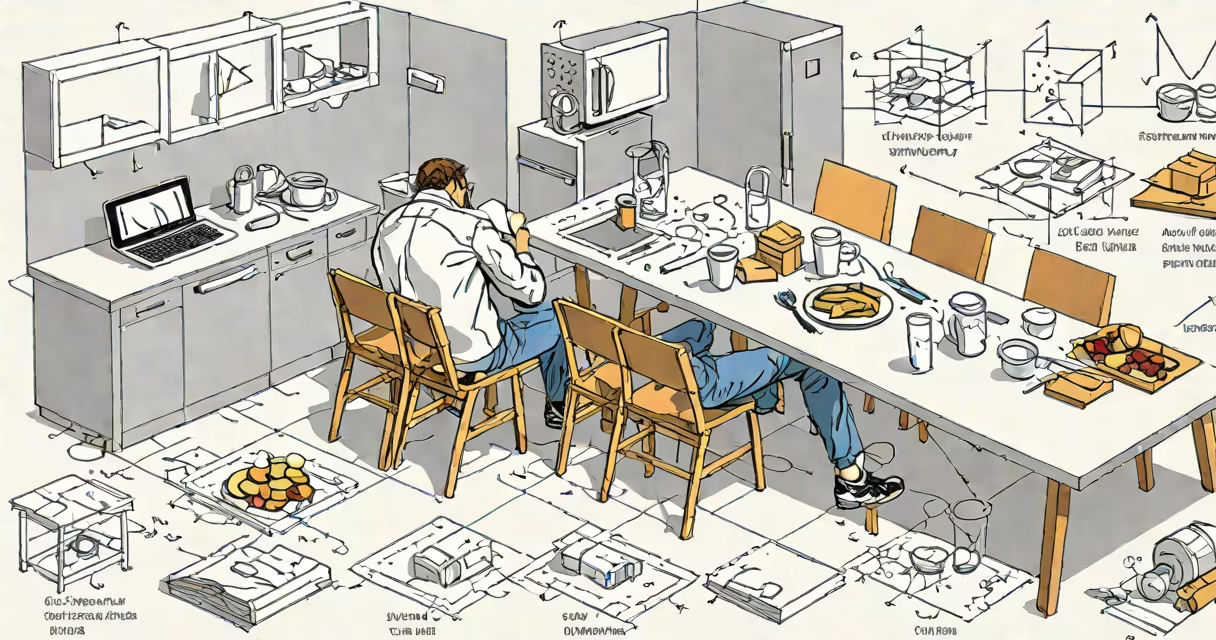
Feeling sleepy after a meal is common and often results from blood sugar fluctuations, increased blood flow to the digestive system, and hormonal changes triggered by food intake. This response is normal in mild cases but can indicate underlying issues when persistent or severe.
After eating, your body redirects blood flow from muscles and the brain to the gut to support digestion. This shift reduces alertness and can cause drowsiness. Simultaneously, insulin rises to manage glucose from food, which may lead to a rapid drop in blood sugar-known as a reactive hypoglycemia episode-further contributing to fatigue.
The amino acid tryptophan, found in protein-rich foods like turkey or chicken, increases serotonin and melatonin production. These neurotransmitters regulate sleep and mood. While tryptophan's role is often overstated, it contributes to post-meal relaxation, especially after high-protein meals.
When you eat, particularly meals high in carbohydrates or refined sugars, blood glucose spikes. In response, the pancreas releases insulin to shuttle glucose into cells for energy. If too much insulin is released, blood sugar drops below baseline-a condition called reactive hypoglycemia. This drop triggers fatigue, shakiness, and mental fog.
Research from the National Institutes of Health shows that even healthy individuals experience a 15-30 minute dip in cognitive performance after consuming high-glycemic meals. This decline correlates with reduced glucose availability to the brain during peak insulin activity.
Simultaneously, the parasympathetic nervous system activates post-prandially to manage digestion. This "rest and digest" state suppresses adrenaline and cortisol, hormones that maintain wakefulness. As heart rate slows and blood pressure drops slightly, drowsiness follows.
Not all meals trigger equal fatigue. High-carbohydrate, low-fiber meals cause the most dramatic blood sugar swings. A 2020 study in Frontiers in Nutrition found that participants who ate white rice and sugary drinks reported higher fatigue scores than those who consumed whole grains and lean proteins.
| Meal Type | Common Fatigue Trigger? | Why It Matters |
|---|---|---|
| High-glycemic foods (white bread, pastries) | Yes | Spikes insulin, causes rapid blood sugar crash |
| High-fat meals (fried foods, heavy sauces) | Yes | Slows digestion, diverts blood to gut; linked to postprandial somnolence |
| Protein-heavy meals (turkey, beef) | Mild | Tryptophan boosts serotonin; contributes to calmness, not intense fatigue |
| Whole-food, balanced meals (vegetables, legumes, lean protein) | No | Stable blood sugar, sustained energy; minimal fatigue |
A 150g serving of white rice can raise blood glucose by 30-40 mg/dL within 30 minutes. Insulin peaks around 60 minutes later, often causing a rebound drop. This cycle explains why people feel drained 60-90 minutes after eating.
One non-obvious fact: Some people develop postprandial hypotension-low blood pressure after meals-due to excessive blood pooling in the gastrointestinal tract. This affects about 15% of adults over 65, according to the American Heart Association. Symptoms include dizziness, blurred vision, and extreme tiredness shortly after eating.
I once observed a patient who felt faint after lunch despite eating a moderate salad. Blood tests revealed undiagnosed insulin resistance. After switching to lower-glycemic meals and adding fiber, her afternoon crashes disappeared. This case illustrates how subtle metabolic dysfunction can mimic normal fatigue.
Many assume that "food coma" is caused solely by tryptophan in turkey. That myth persists despite evidence showing that tryptophan's effect is minor compared to meal composition. A 2018 study in Journal of Clinical Sleep Medicine found that tryptophan contributed less than 10% to post-meal drowsiness in controlled settings.
Another confusion: people think fatigue after eating always means poor diet. But conditions like gastroparesis-delayed stomach emptying-can cause prolonged fullness and exhaustion. This occurs in 30% of people with long-term diabetes, per the American Diabetes Association.
Adjusting meal timing and composition reduces fatigue. Eat smaller, frequent meals with balanced macronutrients: 30% complex carbs, 30% protein, 40% healthy fats. Include fiber-25g daily-to slow glucose absorption.
For example, swapping a bagel with jam for a bowl of steel-cut oats with almonds and berries stabilizes blood sugar. One study showed participants who ate such meals had 28% less post-meal fatigue than those who ate refined carbs.
Walking 10 minutes after eating improves glucose uptake and prevents insulin spikes. A 2021 trial published in Diabetologia found that light walking after meals lowered average glucose levels by 18% and reduced fatigue reports by 40%.
Limit alcohol and caffeine near mealtimes. Both disrupt blood sugar regulation and interfere with sleep cycles, compounding fatigue.
Why get tired after eating is usually a mix of physiology-blood flow redistribution, insulin response, and nervous system shifts-not a sign of weakness or lack of willpower. Most cases resolve with dietary adjustments. When fatigue persists, it may reflect a deeper metabolic or neurological issue requiring evaluation.