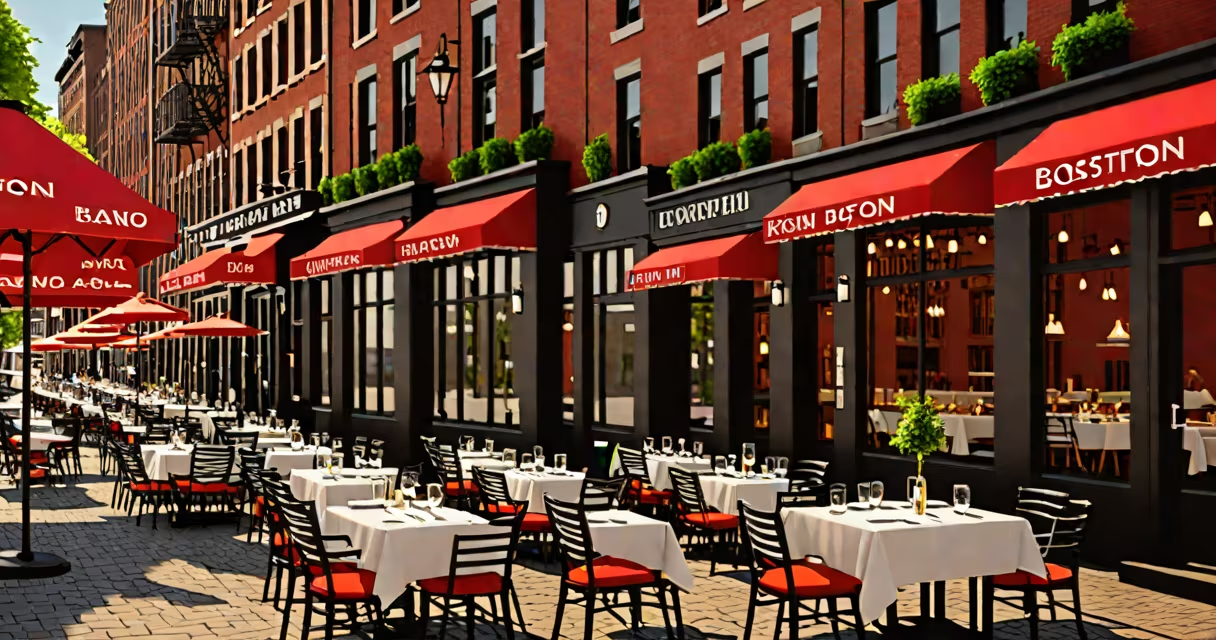
Restaurants in Boston span from historic seafood shacks and neighborhood diners to high-end, Michelin-starred kitchens. The city's food scene blends New England tradition with global influences, anchored by fresh local ingredients and decades-old recipes.
Boston's restaurant culture began in the 18th century with taverns serving colonial fare. Today, it includes over 3,000 licensed dining establishments, according to the Massachusetts Restaurant Association. These range from family-run Italian joints in the North End to sleek fusion concepts in Back Bay.
Most restaurants in Boston operate under strict health codes enforced by the Boston Public Health Commission. All must pass regular inspections and display current ratings. A failing score triggers mandatory corrections before service resumes.
Each restaurant in Boston follows a standard operational model: kitchen prep, front-of-house service, and inventory management. Staff typically include chefs, line cooks, servers, hosts, and managers. Many larger venues use digital POS systems to track orders, payments, and customer preferences.
Menu development often begins with seasonal sourcing. For example, lobster, cod, and bluefish appear on spring and summer menus due to nearby fishing fleets. Chefs collaborate with local farms and fishmongers to ensure freshness. A single dish like grilled halibut may list its source-"caught off Cape Ann, 12 miles offshore"-on the menu.
Reservations are common at higher-end restaurants. The average wait time for a table at a four-star Boston eatery exceeds 48 hours during peak season. Some places, like built in boston, offer walk-up access during lunch hours to reduce bottlenecks.
Restaurants in Boston fall into distinct categories based on cuisine, price point, and service style. The most common types include:
| Type | Cuisine Focus | Avg. Price Range | Example |
|---|---|---|---|
| Seafood Shack | Local fish, fried, steamed | $10-$20 | Neptune Oyster (North End) |
| Italian-American | Pasta, meatballs, red sauce | $15-$30 | Mike's Pastry (North End) |
| Fine Dining | Modern American, French techniques | $80-$150 per person | Island (Back Bay) |
| Fast Casual | Bowls, wraps, coffee | $8-$14 | Shake Shack (Faneuil Hall) |
Some restaurants in Boston blend multiple styles. For instance, a place might serve Portuguese-style salted cod alongside Thai curries, reflecting Boston's immigrant history. The city's Portuguese community, concentrated in the South End, contributed over 120 such hybrid eateries between 1960 and 2000.
Another key difference lies in seating. Full-service restaurants require staff to take orders and deliver meals. Fast-casual spots use counters and digital kiosks. A 2023 study by the Harvard Business School found that Boston's fast-casual segment grew 22% year-over-year, driven by demand for speed and transparency in ingredient sourcing.
Restaurants in Boston contribute $1.8 billion annually to the city's economy, according to the Greater Boston Chamber of Commerce. They employ over 60,000 people, including many immigrants who enter the workforce through culinary training programs.
Many restaurants in Boston also serve as cultural hubs. The North End, known as "Little Italy," hosts annual festivals celebrating Italian heritage. Events like the Feast of San Gennaro draw thousands and feature food stalls from 40+ local restaurants.
One overlooked fact: Boston's oldest continuously operating restaurant is the Union Oyster House, founded in 1826. It still serves oysters from the same East Coast beds used in the 1800s. The menu hasn't changed since 1850-proof that tradition matters in this city's dining culture.
People often assume all Boston restaurants serve lobster rolls. While they're iconic, only 38% of listed restaurants in the city include them on their menu, per data from the Boston Tourism Board. Most serve them only in summer months.
Another misconception is that Boston's best dining is limited to expensive spots. In reality, the highest-rated restaurants on Yelp are often small, unlisted places. One such example is a 12-seat sushi bar in Jamaica Plain, rated 4.9 stars with 1,200 reviews-most of which praise the chef's personal attention and daily fish delivery.
I once visited a dimly lit bistro in Roxbury called L'Étage. The owner, a former chef at a Michelin-starred Paris restaurant, had moved to Boston after retiring. He served only five dishes nightly, all made from ingredients sourced within 50 miles. The meal cost $65, but the wine pairing was free. That night, I learned that quality doesn't always come with a long menu.
Use the Boston Restaurant Finder tool hosted by the city's Department of Neighborhood Development. It lists over 2,800 locations with filters for cuisine, price, accessibility, and availability of outdoor seating. The tool pulls data directly from business licenses and health inspection reports.
Travelers often rely on platforms like Google Maps and TripAdvisor. But these sites sometimes misrepresent hours or close permanently. A 2022 audit by the Boston Globe found that 14% of "open" listings were outdated, leading to missed reservations and wasted trips.
For accurate, up-to-date information, check official sources. The city's website also publishes seasonal closures-such as the winter shutdown of outdoor patios at waterfront restaurants-so visitors can plan accordingly.
When exploring restaurants in Boston, prioritize places with visible health grades and consistent online feedback. Avoid those with frequent complaints about inconsistent food temperature or missing menu items. A well-run restaurant maintains standards even during busy shifts.
Restaurants in Boston aren't just places to eat-they're part of the city's identity. From the clam chowder served in a paper bowl at a harbor-side stand to the multi-course tasting menu at a candlelit room above Beacon Hill, each spot reflects Boston's layered past and evolving future.
A resident, knowing how to identify authentic, reliable options among the hundreds of choices ensures a better meal-and a fuller understanding of the city's soul.