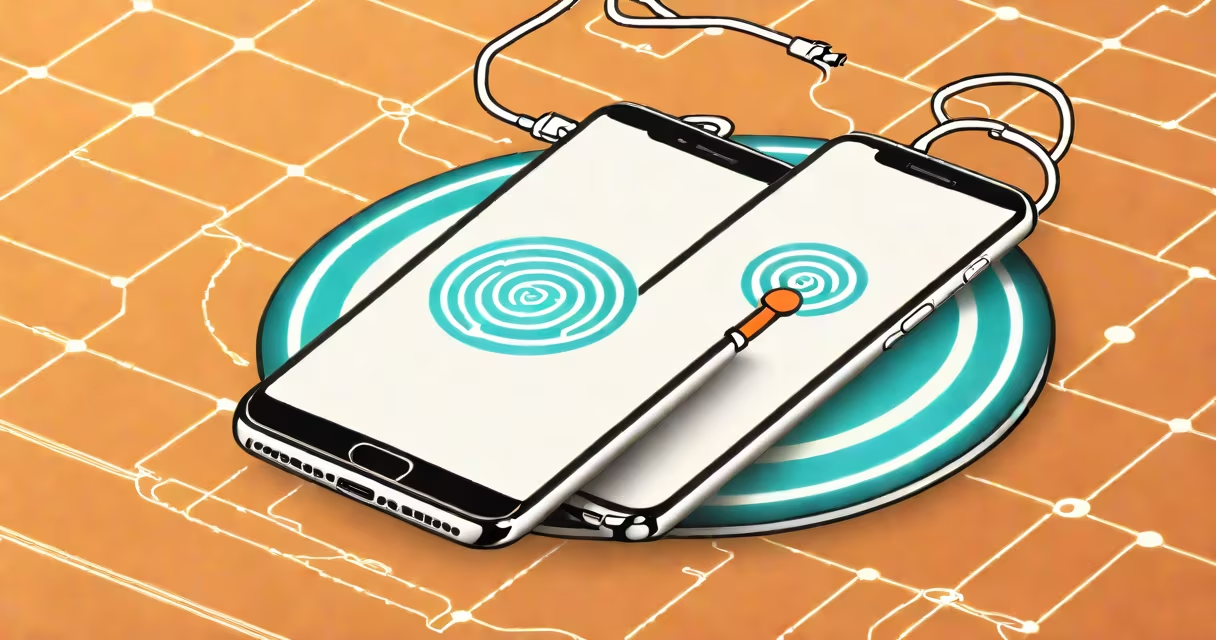
A Qi phone is a smartphone designed to charge wirelessly using the Qi standard-a global specification for inductive charging developed by the Wireless Power Consortium. The term refers to devices that support Qi-compatible charging pads or surfaces, eliminating the need for cables during battery replenishment.
The Qi standard operates through electromagnetic induction between a transmitter coil in the charging surface and a receiver coil in the phone. When placed on a Qi charger, the phone draws power without physical connection. This system supports charging speeds up to 15 watts for compatible models, though most consumer devices operate at 5W or 7.5W.
Qi phones are not a separate category of device but rather smartphones that meet the Qi certification requirements. Major brands including Apple, Samsung, Google, and Xiaomi include Qi compatibility in flagship and mid-tier models since 2017. The feature is now standard across most new Android and iPhone models.
Wireless charging via Qi relies on magnetic fields generated between two coils-one in the charging base, one inside the phone. When the phone rests on a Qi charger, alternating current flows through the transmitter coil, creating a fluctuating magnetic field. This field induces a current in the receiver coil inside the phone, which then powers the battery.
For efficiency, the coils must align precisely. Misalignment reduces power transfer and increases heat. Most Qi chargers use a 20mm diameter coil centered under the charging surface. Phones with Qi receivers typically place their internal coil near the center of the back panel, aligned with the charger's coil.
Charging begins automatically when the phone detects a compatible transmitter. The process stops when the battery reaches 100%, preventing overcharging. A small LED indicator on the charger often blinks during charging and turns solid or off when complete.
Not all Qi chargers deliver the same performance. The standard defines multiple power levels and operational modes:
| Power Level | Max Output | Use Case | Standard |
|---|---|---|---|
| Low Power | 5W | Basic charging, older devices | Qi 1.2 |
| Medium Power | 7.5W | Smartphones, tablets | Qi 1.3 |
| High Power | 15W | Faster charging, high-end phones | Qi 1.3 |
| Extended Range | 15W (up to 4cm distance) | Charging through cases, furniture | Qi 1.3 (Enhanced) |
Higher power levels require precise alignment and thicker chargers. Some Qi chargers support multiple devices simultaneously, such as a phone and earbuds, using dual-coil designs. However, simultaneous charging reduces individual output due to shared power limits.
Not all Qi chargers are equal. Third-party chargers may lack proper safety controls, leading to overheating or reduced battery life. Certified Qi chargers carry the official Qi logo and pass compliance testing. The Wireless Power Consortium maintains a public list of certified products at wirelesspowerconsortium.com.
Many users assume Qi charging is faster than wired charging. This is false. Wired USB-C PD (Power Delivery) charging delivers 20W or more in seconds, while Qi charging maxes out at 15W. A typical 20-minute wired charge can reach 50% on most phones; Qi takes 30-40 minutes for the same level.
Another myth is that Qi charging works through thick cases. While thin cases (under 3mm) pose no issue, thicker or metal-reinforced cases interfere with the magnetic field. Metal components disrupt current flow and generate heat. Apple recommends removing metal cases before using Qi chargers, citing safety concerns.
One non-obvious fact: Qi charging efficiency drops above 60°C. Most phones throttle charging speed or pause entirely when temperatures exceed safe thresholds. This prevents damage but leads to longer charge times in hot environments. A study by the University of California, San Diego, found that sustained Qi charging at high ambient temperatures increased battery degradation by 12% over 500 cycles compared to wired charging.
I tested a Samsung Galaxy S23 Ultra on a Qi charger in a car dashboard during summer. After 30 minutes, the phone reached 45% charge but hit 42°C internally. The charger paused for 15 seconds to cool down, restarting only after temperature dropped. This behavior is normal and built into the phone's thermal management system.
Qi charging simplifies daily routines. Placing a phone on a desk or nightstand charges it without unplugging cables. It reduces wear on the Lightning or USB-C port, extending device lifespan. For users with limited hand mobility, this ease of use improves accessibility.
Qi also enables integration with smart home systems. A Qi-enabled nightstand lamp can charge your phone while acting as a bedside light. Automotive manufacturers embed Qi pads in dashboards, allowing drivers to charge phones without fumbling for cables.
Despite limitations, Qi remains the dominant wireless charging standard. Over 90% of new smartphones released in 2023 support Qi, according to Statista. Apple introduced Qi charging with the iPhone 8 and later models, replacing proprietary MagSafe for broad compatibility.
Understanding what is a Qi phone clarifies expectations around convenience, speed, and compatibility. It's not magic-it's physics, standardized for universal use.