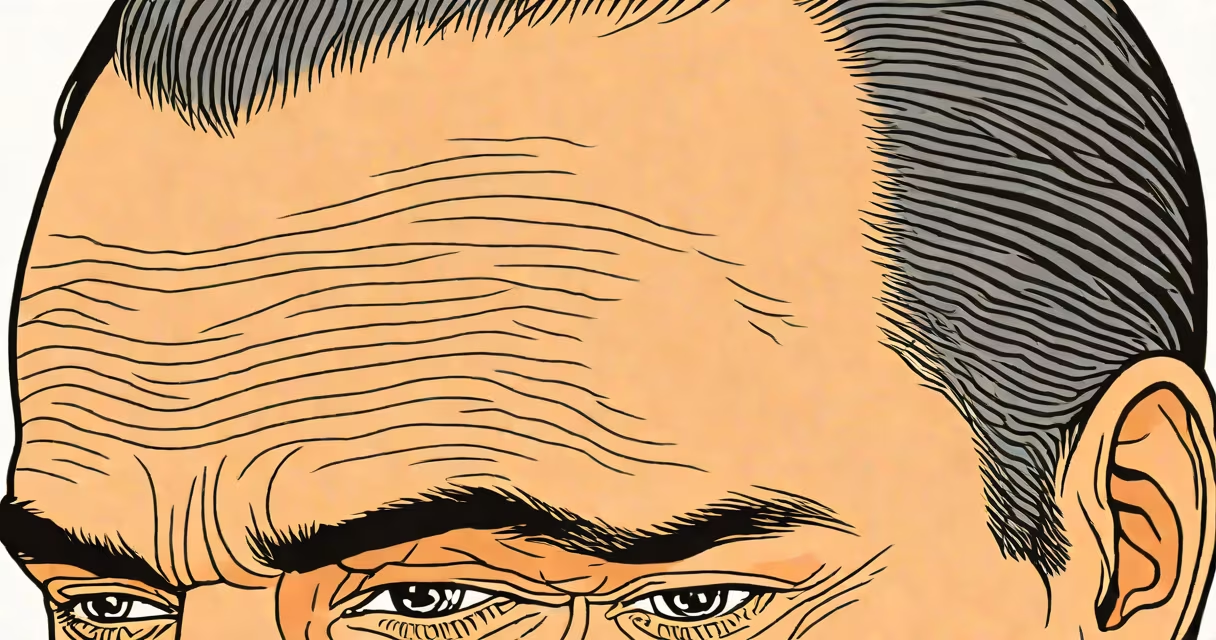
A receding hairline hereditary is a progressive thinning of hair at the front and sides of the scalp caused by inherited genetic sensitivity to dihydrotestosterone (DHT), a hormone derived from testosterone. This condition, medically known as androgenetic alopecia, typically begins in late adolescence or early adulthood and follows a predictable pattern of hairline retreat.
Genes passed down from either parent determine how sensitive hair follicles are to DHT. When DHT binds to receptors in the follicles, it shortens the growth phase (anagen phase), causing hairs to grow thinner and shorter over time until they stop growing entirely. The process often starts subtly-small gaps forming at the temples-and progresses to a distinct M-shaped hairline.
According to the American Academy of Dermatology Association, about 50% of men show signs of male pattern baldness by age 50, with hereditary factors playing a dominant role. A 2021 study published in Journal of Investigative Dermatology confirmed that specific variants in the AR gene (androgen receptor) strongly correlate with early-onset receding hairlines, especially when both parents carry the trait.
The mechanism behind receding hairline hereditary involves hormonal activity and genetic predisposition. Testosterone converts to DHT via the enzyme 5-alpha reductase. In genetically susceptible individuals, DHT shrinks hair follicles over time, leading to miniaturization-the gradual reduction in hair shaft diameter and length.
This process occurs slowly, often over years. Early signs include a subtle widening of the hairline at the temples, increased shedding during washing, and thinner hair in the frontal region. The progression is usually asymmetrical at first, with one side retreating faster than the other.
Once follicles enter a prolonged resting phase (telogen), regrowth becomes impossible without medical intervention. The hair loss pattern is distinct from other forms such as telogen effluvium (stress-related shedding) or alopecia areata (autoimmune hair loss), which present differently and do not follow a consistent receding pattern.
Receding hairline hereditary typically follows one of several recognized patterns:
| Pattern | Description | Onset Age | Prevalence |
|---|---|---|---|
| Classical M-shape | Hairline retreats symmetrically at temples, forming an M or V shape | 18-25 | ~60% of cases |
| Frontal recession | Loss begins at the center front, spreading outward | 20-30 | ~20% |
| Vertex-only | Thinning starts at crown, rarely affects hairline initially | 25-35 | ~15% |
| Combined pattern | Both front and crown affected simultaneously | 20-30 | ~5% |
Most cases begin with a gradual recession at the temples. The hairline may appear uneven at first, but symmetry tends to return as the process stabilizes. The Norwood scale classifies these stages from I (minimal change) to VII (extensive loss).
Receding hairline hereditary is not limited to men. Women can inherit the same genetic risk, though their presentation differs. Female pattern hair loss often shows diffuse thinning across the scalp rather than a receding hairline. However, a 2023 study in British Journal of Dermatology found that 12% of women under 30 with a family history of male baldness developed noticeable frontal thinning, indicating shared genetic pathways.
Many assume that receding hairline hereditary is caused solely by stress, poor diet, or frequent shampooing. These factors may worsen hair shedding but do not initiate the underlying genetic process. DHT sensitivity is the primary driver-not lifestyle choices.
Another myth is that baldness only appears in middle age. In reality, 25% of men with a hereditary predisposition show visible signs before age 21. A 2019 analysis from the National Institutes of Health showed that men with a father who experienced early balding were 3.4 times more likely to develop a receding hairline before age 25.
Some people confuse receding hairline hereditary with scarring alopecia or traction alopecia. Scarring alopecia causes permanent damage to follicles due to inflammation, while traction alopecia results from tight hairstyles pulling on roots. Neither follows the typical M-shaped retreat seen in androgenetic alopecia.
Consider James, a 24-year-old software developer. He noticed his hairline had retreated about half an inch over two years. His father began losing hair at 22, and his maternal grandfather was completely bald by 40. James consulted a dermatologist, who confirmed androgenetic alopecia through a scalp biopsy and phototrichogram analysis.
James started using minoxidil 5% solution twice daily and finasteride 1 mg orally once daily. After six months, he reported reduced shedding and visible regrowth along the hairline. A follow-up photo showed a 30% improvement in density at the temples. His doctor emphasized that results depend on early intervention-starting treatment before significant follicle shrinkage occurs.
For those who don't respond to medication, hair transplant surgery is effective. A 2022 review in Dermatologic Surgery found that FUE (follicular unit extraction) transplants achieved 85% patient satisfaction in receding hairline cases, with natural-looking results lasting over five years.
Receding hairline hereditary is not inevitable. While genes play a major role, treatment can slow progression and restore some volume. Understanding your family history and acting early increases success rates.
Recognizing the difference between normal shedding and early signs of hereditary hair loss prevents delayed care. If you're concerned about your hairline, take action now-early treatment yields better outcomes than waiting until the hairline is severely compromised.
Receding hairline hereditary is a well-documented condition rooted in genetics and hormone activity. With proper diagnosis and treatment, progression can be managed effectively.