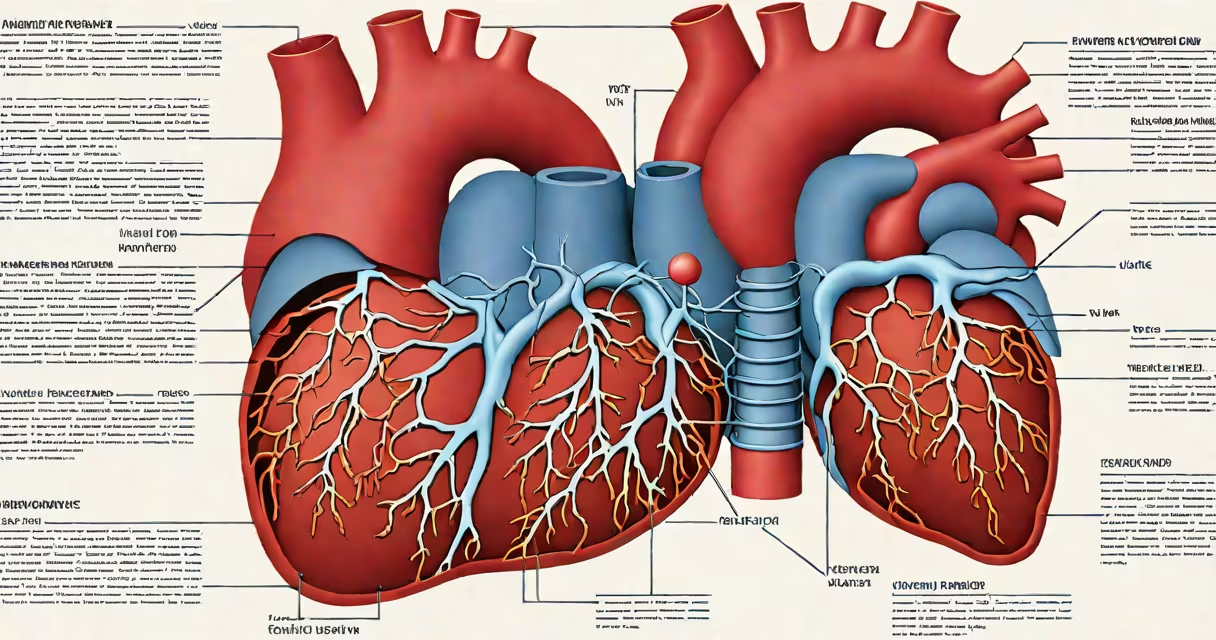
A heart murmur accompanied by shortness of breath indicates abnormal blood flow through the heart, often due to valve dysfunction or structural heart disease. This combination suggests the heart is working harder to pump blood, potentially leading to fluid accumulation in the lungs and reduced oxygen delivery.
Heart murmurs are audible sounds caused by turbulent blood flow within the heart chambers or major vessels. They are detected during physical exams using a stethoscope. When paired with shortness of breath-difficulty breathing, especially during exertion or while lying flat-they signal potential hemodynamic compromise. The presence of both symptoms warrants further investigation, as they may indicate progressive heart failure, valvular disease, or congenital defects.
Not all murmurs are clinically significant. Some are benign (innocent), such as those heard in children or young adults during growth spurts. However, when a murmur coincides with dyspnea, it often reflects a pathologic condition. For example, a systolic murmur heard at the left lower sternal border with associated fatigue and breathlessness may point to pulmonary hypertension secondary to a ventricular septal defect. The American Heart Association notes that new-onset shortness of breath with a previously undetected murmur increases the likelihood of structural heart disease requiring echocardiography.
The heart's four valves-tricuspid, pulmonary, mitral, and aortic-ensure unidirectional blood flow. When a valve becomes leaky (regurgitant) or stiff (stenotic), blood moves inefficiently. This inefficiency forces the heart to compensate by increasing workload, which can lead to volume overload and elevated pressure in the pulmonary circulation.
For instance, mitral regurgitation causes blood to flow backward into the left atrium during contraction. Over time, this raises pressure in the pulmonary veins, pushing fluid into lung tissue-a condition called pulmonary edema. Fluid in the alveoli impairs gas exchange, reducing oxygen saturation and triggering the sensation of breathlessness. Patients may report needing to sleep propped up on pillows (orthopnea) or waking up gasping (paroxysmal nocturnal dyspnea).
Another mechanism involves reduced cardiac output. Aortic stenosis narrows the outflow tract from the left ventricle. As the valve opens less widely, stroke volume drops. Low output leads to poor perfusion of tissues, including the lungs and skeletal muscles. During activity, muscles demand more oxygen, but the heart cannot deliver enough, resulting in exertional dyspnea. A 2022 study in Circulation found that patients with moderate-to-severe aortic stenosis had a 6-minute walk distance below 300 meters and reported dyspnea in 78% of cases.
Not all murmurs cause shortness of breath. The timing, location, intensity, and radiation of the sound determine clinical relevance. Below is a comparison of common murmurs associated with respiratory symptoms:
| Murmur Type | Timing | Location | Common Cause | Associated Symptoms |
|---|---|---|---|---|
| Systolic ejection | Peak during contraction | Base of heart, radiates to neck | Aortic stenosis | Exertional dyspnea, syncope, angina |
| Diastolic rumble | During relaxation | Apex, radiates to axilla | Mitral stenosis | Orthopnea, paroxysmal nocturnal dyspnea, fatigue |
| Pansystolic (holosystolic) | Throughout systole | Lower left sternal border | Ventricular septal defect (VSD) | Exercise intolerance, fatigue, early signs of heart failure |
Each of these murmurs represents a distinct pathophysiology. A pansystolic murmur at the lower left sternal border, for example, is classic for a VSD. In infants and children, this can lead to high-output heart failure with tachypnea and poor feeding. In adults, it may result from a prior myocardial infarction involving the interventricular septum.
Shortness of breath with a new or changing heart murmur requires prompt assessment. The U.S. Preventive Services Task Force recommends screening for valvular heart disease in adults aged 65 and older with risk factors such as hypertension, diabetes, or prior rheumatic fever. Early detection prevents progression to symptomatic heart failure.
I once evaluated a 58-year-old man who reported worsening breathlessness over six weeks. He had a grade 3/6 holosystolic murmur at the lower left sternal border, radiating to the apex. Echocardiography revealed a large VSD with right-to-left shunting and pulmonary hypertension. After surgical repair, his dyspnea resolved completely. This case illustrates that even rare conditions like post-infarct VSD can present with heart murmur and shortness of breath.
Many assume that all murmurs require treatment. That is false. Innocent murmurs are common in adolescents and resolve spontaneously. They typically occur during systole, are soft (grade 1-2/6), and do not radiate. They often disappear with posture changes or exercise. A child with a benign murmur may have normal exercise tolerance and no symptoms.
Another misconception is equating shortness of breath with anxiety. While panic attacks can cause hyperventilation and chest tightness, they lack objective findings like a murmur or abnormal imaging. A patient with a loud, harsh systolic murmur at the base of the heart and orthopnea is unlikely to have a purely psychological cause. The presence of a murmur shifts the diagnostic threshold toward organic pathology.
Not all heart murmurs are audible. Some are too faint to detect without amplification. In such cases, echocardiography remains the gold standard. The European Society of Cardiology guidelines state that transthoracic echocardiography should be performed in all patients with suspected valvular disease, regardless of auscultatory findings.
Heart murmur shortness of breath is not a single diagnosis. It is a clinical sign pointing to underlying cardiovascular dysfunction. Identifying the specific valve involved, the severity of the lesion, and the impact on cardiac output determines management. Treatment ranges from observation to medication (e.g., beta-blockers for hypertrophic cardiomyopathy) to surgical intervention (valve replacement or repair).