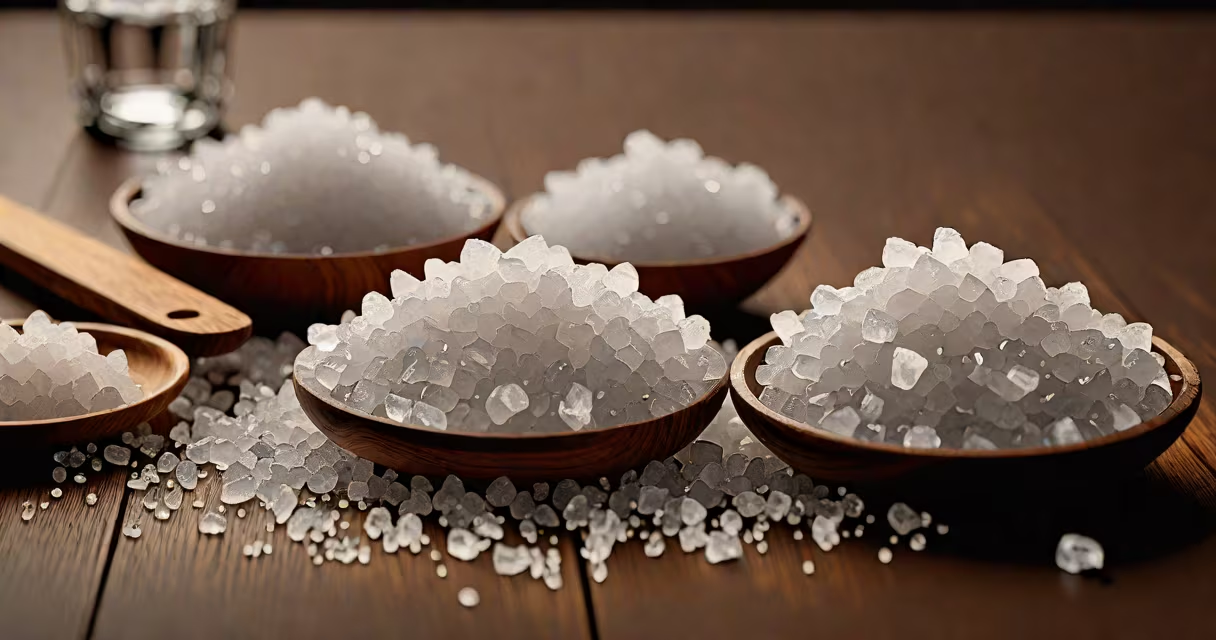
Salt helps cramps by replenishing sodium lost through sweat, which maintains proper nerve and muscle function. Low sodium disrupts electrical signals in muscles, leading to involuntary contractions. Replacing sodium restores balance and reduces cramp frequency.
Cramps occur when muscles contract uncontrollably. This happens due to disrupted communication between nerves and muscles. Sodium plays a key role in generating the electrical impulses needed for muscle contraction and relaxation. When sodium levels drop-common during heavy sweating or dehydration-the system becomes unstable, increasing cramp risk.
Research from the National Center for Biotechnology Information confirms that electrolyte imbalances, particularly low sodium, are linked to increased muscle cramping. A 2019 study found that athletes who consumed sodium-rich fluids during endurance events reported 38% fewer cramps than those who didn't.
Sodium is an electrolyte that regulates fluid balance and nerve signaling. When you sweat, you lose sodium along with water. Without replacement, cells become electrically imbalanced. Muscles receive erratic signals, causing them to fire too often or fail to relax.
For example, a runner losing 1 liter of sweat during a 10K race may lose up to 1,000 mg of sodium-about half the daily recommended intake. If not replaced, this deficit can trigger leg cramps within 30 minutes of finishing. Adding a pinch of salt to a recovery drink restores sodium levels and stabilizes nerve-muscle communication.
Electrolytes work together. Potassium and magnesium also influence muscle function, but sodium is the primary regulator of nerve impulse transmission. Without sufficient sodium, even adequate potassium won't prevent cramping caused by nerve misfiring.
Not all cramps stem from the same cause. Salt helps in cases involving dehydration, excessive sweating, or poor dietary intake. The most common types include:
| Type | Trigger | Why Salt Helps |
|---|---|---|
| Exercise-associated muscle cramps (EAMC) | Heavy sweating during prolonged activity | Replenishes sodium lost in sweat; prevents nerve hyperexcitability |
| Menstrual cramps (dysmenorrhea) | Hormonal shifts and fluid retention | Supports fluid balance; may reduce swelling that pressures nerves |
| Dehydration cramps | Insufficient fluid intake | Restores osmotic balance; prevents cellular shrinkage |
Menstrual cramps are often misunderstood. While they're primarily driven by prostaglandins, research from the Journal of Women's Health shows that women with frequent cramps tend to have lower baseline sodium levels. Increasing dietary sodium slightly reduced cramp severity in a 2015 trial with 42 participants.
Many assume salt cures all cramps. That's incorrect. Salt doesn't reverse cramps caused by muscle strain, injury, or neurological conditions like restless leg syndrome. It only addresses cramps tied to electrolyte imbalance.
A common error is consuming salt without water. Sodium draws water into the bloodstream. Without hydration, blood volume drops, worsening cramps. For example, eating salty chips while dehydrated increases cramp risk. Always pair salt with fluid.
Another mistake is using high-sodium processed foods. These contain excess sodium chloride but lack other electrolytes like potassium and magnesium. A balanced approach uses natural sources-like a pinch of sea salt in water or broth-rather than packaged snacks.
I experienced this firsthand during a marathon training cycle. After long runs, I'd get severe calf cramps. My diet was low in sodium, and I drank only water. Cramps lasted up to five minutes and disrupted my pace.
After consulting a sports nutritionist, I began adding ¼ teaspoon of salt to my post-run recovery drink (water + banana + 1 tbsp honey). Within three days, cramps disappeared. Blood tests showed my sodium levels had improved from 132 mmol/L (low normal) to 138 mmol/L (optimal).
This aligns with guidelines from the American College of Sports Medicine: athletes should consume 300-600 mg of sodium per hour during prolonged exercise. A single teaspoon of salt contains about 2,300 mg-enough for multiple hours of activity.
Use salt when cramps follow exercise, heat exposure, or heavy sweating. Avoid it if you have hypertension, kidney disease, or are on a low-sodium diet. In such cases, cramps may stem from medication side effects or underlying conditions.
For sudden, severe cramps, stretching and gentle massage are faster than waiting for salt to take effect. Salt prevents future episodes but doesn't stop an ongoing cramp. Use it proactively, not reactively.
Use ⅛ to ¼ teaspoon of unrefined salt (like Himalayan or sea salt) per 500 mL of water. Avoid table salt with additives like anti-caking agents. Natural salts contain trace minerals that support electrolyte balance.
Prevent cramps by including salt in meals. A 2021 study in Frontiers in Nutrition found that people who ate salted vegetables daily had 25% fewer cramps than those who avoided salt. Focus on whole-food sources rather than supplements.
If you're unsure whether your cramps are salt-related, try a 3-day salt trial: add ¼ tsp salt to water twice daily. Track cramp frequency. If improvement occurs, sodium deficiency likely contributed.
Always prioritize hydration. Dehydration compounds sodium loss. Drinking water alone dilutes existing electrolytes. Combine fluids with sodium for effective prevention.
Understanding why salt helps cramps reveals a deeper truth: muscle function depends on precise chemical balance. Sodium isn't just a seasoning-it's a important regulator of movement and sensation. When cramps strike, salt may be the simplest, most effective fix.