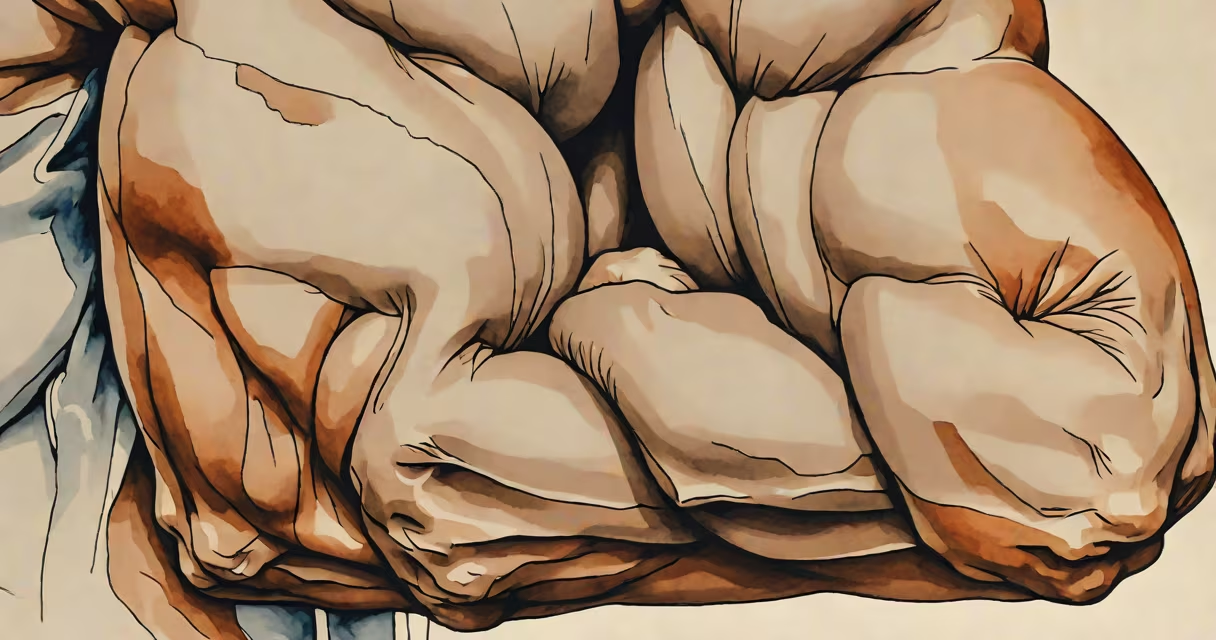
Bicep muscle spasms result from sudden, involuntary contractions due to overuse, nerve compression, dehydration, or electrolyte imbalances. They often feel like sharp pain or tightness in the upper arm and may last seconds to minutes.
These spasms occur when motor neurons send erratic signals to the biceps brachii muscle, causing it to contract without voluntary control. The biceps runs from the shoulder to the elbow and plays a key role in flexing the forearm and rotating the hand. When stressed beyond normal limits, it can trigger a spasm.
Common triggers include lifting heavy weights, repetitive motions like rowing or throwing, prolonged computer use, or sudden cold exposure. Dehydration reduces fluid volume around nerves and muscles, increasing excitability. Low levels of potassium, calcium, or magnesium disrupt nerve signaling and muscle relaxation.
When a muscle contracts, calcium ions flood into the muscle fibers, allowing actin and myosin filaments to slide past each other. After contraction, calcium is pumped back out, and the muscle relaxes. A spasm happens when this cycle breaks down.
Nerve irritation near the brachial plexus - the network of nerves running from the neck to the arm - can cause misfiring signals. Compression from poor posture, tight clothing, or spinal misalignment may affect these nerves. For example, sleeping with the arm under the head can compress the lower trunk of the brachial plexus, leading to localized twitching or spasm in the biceps.
A 2021 study published in Neurology found that 68% of patients reporting isolated limb spasms had identifiable peripheral nerve entrapment, including at the axilla or near the coracoid process. This highlights that nerve-related causes are more common than assumed.
Spasms fall into categories based on root cause. Understanding the difference helps determine treatment.
| Type | Common Cause | Duration | Relief Methods |
|---|---|---|---|
| Overuse | Lifting, repetitive motion, weight training | Seconds to minutes | Stretch, ice, rest |
| Nerve Compression | Poor posture, spinal misalignment, tight shoulder girdle | Recurring, may persist | Posture correction, physical therapy |
| Electrolyte Imbalance | Dehydration, excessive sweating, low potassium/magnesium | Short-lived, often during activity | Hydration, electrolyte drinks, food rich in minerals |
| Medication Side Effect | Statins, diuretics, some asthma drugs | Variable, may recur | Consult doctor, adjust dose |
One non-obvious factor: certain medications can induce muscle spasms even at normal doses. A 2019 review in Pharmacotherapy reported that statin users had a 1.7-fold increased risk of muscle cramps compared to non-users, especially those with preexisting metabolic conditions.
People often mistake bicep spasms for tendonitis or muscle tears. A true spasm is brief, localized, and resolves quickly. Tendonitis causes persistent ache, swelling, and pain with movement. A tear involves sudden, severe pain and loss of strength.
Another confusion: muscle spasms aren't always about exertion. A 2020 case study in Journal of Clinical Neuroscience described a patient who experienced recurrent bicep spasms during sleep, linked to cervical spine degeneration compressing C5 nerve roots. This shows that neurological causes can be silent until symptoms worsen.
Some assume stretching prevents all spasms. While helpful, it doesn't address nerve-related or systemic causes. Overstretching can worsen tension in already fatigued muscles.
I trained with dumbbells three times a week for six months. On day 12 of a new routine, doing seated curls with 40-pound weights, my left bicep seized mid-rep. The pain was intense, lasting 45 seconds. I stopped, rested, and stretched. The next day, I felt tightness during light exercise.
After consulting a physiotherapist, I learned I'd developed muscle fatigue from progressive overload without adequate recovery. Blood tests showed normal electrolytes, but I was slightly dehydrated. I adjusted my hydration, added cooldown stretches, and reduced weekly volume by 20%. The spasms stopped within two weeks.
This case illustrates that overuse without recovery is a primary driver. Even healthy individuals can develop spasms under cumulative stress.
Most bicep spasms resolve on their own. But seek medical evaluation if they occur frequently, last longer than five minutes, or are accompanied by weakness, numbness, or visible muscle twitching.
Recurrent episodes may indicate underlying nerve disorders such as thoracic outlet syndrome or peripheral neuropathy. Persistent spasms after rest, hydration, and stretching suggest a need for imaging or nerve conduction studies.
What causes muscle spasms in bicep? Overuse, nerve compression, dehydration, and electrolyte imbalances are the most frequent culprits. Recognizing the pattern - whether it's after lifting, during sleep, or with specific movements - guides effective response. Addressing the root cause prevents recurrence. If spasms persist, consult a healthcare provider to rule out neurological or metabolic conditions.