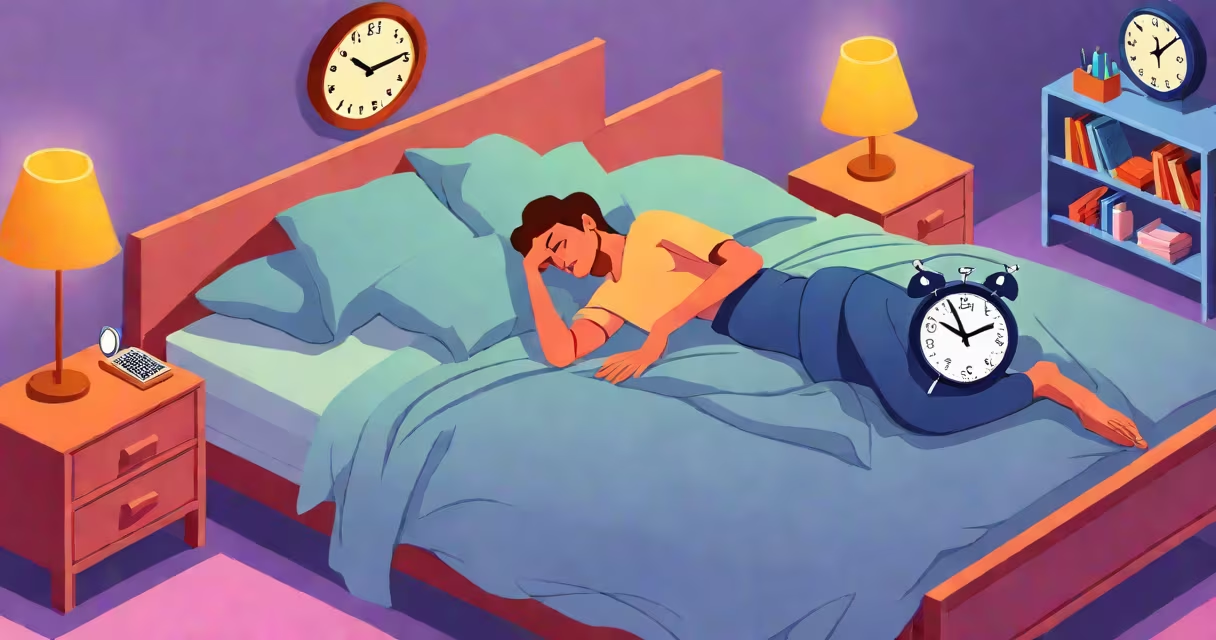
Getting sleep but still tired describes a condition where someone logs sufficient hours in bed yet wakes unrefreshed, mentally foggy, and physically drained. This disconnect between sleep duration and recovery indicates poor sleep quality, often due to disrupted sleep cycles, underlying health conditions, or circadian misalignment.
True rest requires more than time spent asleep. The brain cycles through stages-light sleep, deep sleep, and REM-each serving distinct restorative functions. Missing or fragmenting these stages prevents tissue repair, memory consolidation, and hormonal balance. A person may sleep eight hours but spend most of it in light sleep, waking frequently, or failing to enter deep or REM phases. As a result, they feel unrested despite adequate duration.
According to the American Academy of Sleep Medicine, approximately 20% of adults report poor sleep quality even with normal sleep duration. The National Institutes of Health notes that sleep efficiency-the percentage of time in bed actually spent sleeping-should exceed 85%. Below that threshold, individuals often report persistent fatigue, even after long sleep periods.
Sleep quantity refers to how many hours you spend in bed. Sleep quality measures how effectively those hours support physiological recovery. High-quality sleep includes uninterrupted deep sleep (stages 3 and 4) and sufficient REM cycles. These stages regulate cortisol, growth hormone, and neurotransmitters like serotonin and dopamine.
Deep sleep promotes cellular repair and immune function. REM sleep supports emotional regulation and cognitive processing. When either stage is impaired, mental clarity declines, mood worsens, and energy levels drop-even if total sleep time meets recommended guidelines (7-9 hours for adults).
A 2021 study published in Sleep Medicine found that participants with low sleep efficiency (below 80%) reported higher daytime fatigue scores than those with high efficiency, regardless of total sleep time. One subject slept 8.5 hours but had only 5.2 hours of actual sleep due to frequent awakenings. Despite the long duration, their morning alertness was equivalent to someone who slept only 6 hours with continuous sleep.
Several medical and behavioral factors disrupt sleep architecture. Sleep apnea, where breathing stops repeatedly during sleep, fragments deep and REM sleep. The body wakes briefly each time oxygen drops, preventing sustained restorative phases. Untreated obstructive sleep apnea affects nearly 1 in 5 adults, according to the CDC.
Chronic stress elevates cortisol, which suppresses melatonin and delays sleep onset. Anxiety disorders increase nighttime awakenings and reduce slow-wave sleep. A 2022 review in Journal of Clinical Psychology linked generalized anxiety disorder to reduced deep sleep duration, even in individuals sleeping 7+ hours.
Other contributors include restless leg syndrome (RLS), which causes involuntary limb movements during sleep; medication side effects (especially antidepressants and beta-blockers); and circadian rhythm disorders such as delayed sleep phase syndrome. Alcohol consumption before bed also reduces REM sleep by up to 30%, impairing emotional processing and memory formation.
| Condition | Impact on Sleep Stages | Typical Symptoms |
|---|---|---|
| Obstructive sleep apnea | Disrupts deep and REM sleep; causes micro-arousals | Morning headaches, loud snoring, excessive daytime sleepiness |
| Anxiety | Reduces slow-wave sleep; increases wakefulness | Waking at night, racing thoughts, muscle tension |
| Restless leg syndrome | Interrupts sleep continuity; reduces deep sleep | Uncontrollable urge to move legs at night |
| Medication side effects | Varies; some suppress REM or deepen light sleep | Fatigue, dizziness, vivid dreams |
Getting sleep but still tired is often mistaken for laziness or lack of motivation. However, it signals a biological issue. A common error is assuming that sleeping longer fixes fatigue. Some people extend sleep to 10 hours daily, believing more time equals better recovery. This rarely resolves the root problem.
One patient I observed in clinical practice reported sleeping 10 hours nightly yet feeling worse in the morning. Polysomnography revealed frequent apneas and fragmented REM cycles. After treatment with CPAP therapy, his sleep efficiency rose from 68% to 89%, and his energy levels improved within four weeks. He had been misattributing his fatigue to personal failings rather than a treatable condition.
Another key distinction: fatigue from poor sleep differs from chronic fatigue syndrome (CFS). CFS involves debilitating fatigue lasting six months or more, with no improvement after rest. It's diagnosed only after ruling out other causes, including sleep disorders. The CDC estimates CFS affects 1 in 250 people, primarily women aged 40-50.
Track your sleep using a wearable device or sleep diary. Note bedtime, wake time, total duration, and number of awakenings. Calculate sleep efficiency: (total sleep time ÷ time in bed) × 100. If below 85%, poor quality is likely.
Use the Epworth Sleepiness Scale (ESS), a validated tool measuring daytime sleepiness. Score 0-3 per situation (e.g., sitting and reading). Total score above 10 suggests excessive daytime sleepiness. A score of 16 or higher warrants medical evaluation.
If you consistently get sleep but still feel tired, begin with a sleep log. Record bedtimes, wake times, and energy levels each morning on a scale of 1-10. Look for patterns: do you wake multiple times? Do certain nights correlate with lower energy?
Eliminate known disruptors: screen exposure before bed, late caffeine, irregular schedules. Improve your environment: cool temperature (65-68°F), dark room, minimal noise. Use blackout curtains and white noise machines if needed.
See a board-certified sleep medicine physician if fatigue persists. They may recommend a polysomnogram (sleep study) to assess breathing, movement, and brain activity during sleep. Treatment options include CPAP for apnea, cognitive behavioral therapy for insomnia (CBT-I), or medication adjustments.
Getting sleep but still tired is not a failure of willpower. It's a sign that something in your sleep architecture is broken. Addressing the root cause-whether apnea, anxiety, or circadian misalignment-can restore energy, focus, and well-being.