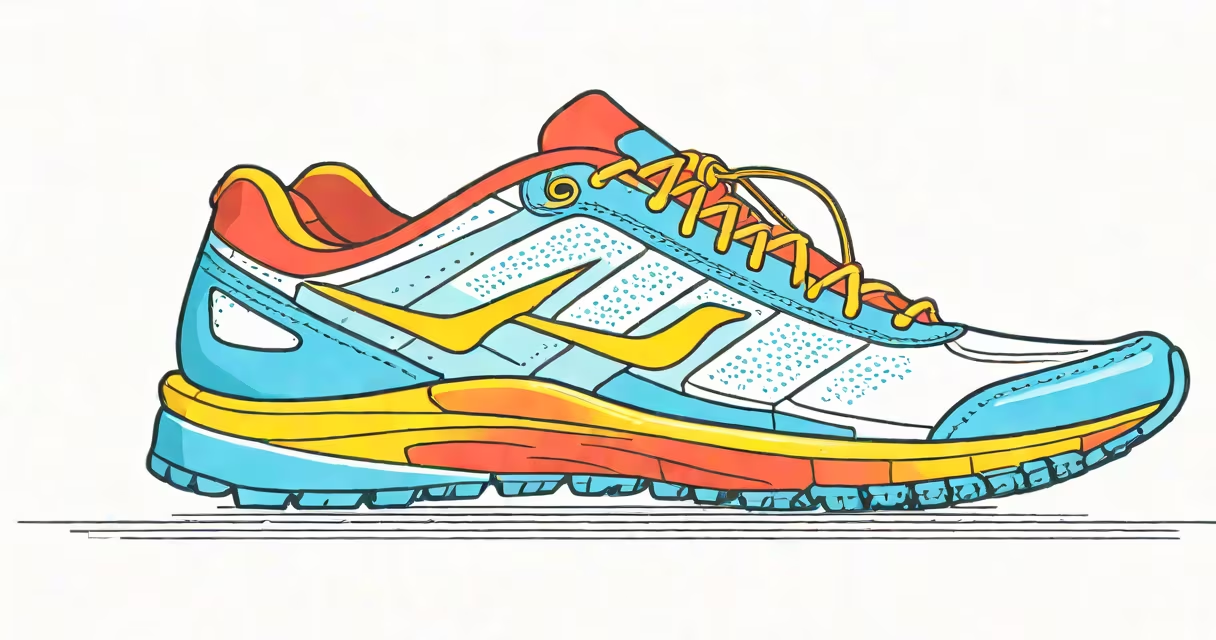
Zero drop means the heel and forefoot of a shoe are at the same height, eliminating the elevation difference between the back and front of the foot. This design mimics barefoot walking and promotes neutral foot positioning during movement.
Shoe drop measures the height difference between the heel and forefoot. Most running shoes have a 6mm to 12mm drop, meaning the heel sits higher. Zero drop shoes have a 0mm drop, placing the foot flat on the ground. This aligns the ankle, knee, and hip in a more natural posture during stride.
Research from the American Journal of Sports Medicine notes that lower drop shoes reduce impact forces on the knee joint during running, potentially lowering injury risk for long-distance runners. A 2021 study published in Foot & Ankle International found that runners using zero drop footwear showed improved foot muscle activation and better balance control over time.
When your foot strikes the ground, the heel hits first in traditional shoes with a positive drop. This creates a rolling motion from heel to toe. In zero drop shoes, the entire foot contacts the ground simultaneously. The transition from heel to forefoot becomes smoother and more controlled.
This even contact reduces torque on the ankle and knee. For runners who overpronate-where the foot rolls inward excessively-zero drop shoes can encourage a more stable gait by promoting midfoot or forefoot landing. The foot's arch receives consistent support throughout the stride.
A 2020 biomechanics study at the University of Colorado measured stride patterns in 45 runners switching from 10mm drop shoes to zero drop models. After four weeks, 68% reported reduced shin discomfort and improved stride symmetry. One participant noted, "I felt like my feet were finally doing what they were meant to do."
Not all zero drop shoes are the same. They vary by cushioning, weight, and intended use. Here's a breakdown of common categories:
| Type | Drop | Cushioning | Best For | Example Model |
|---|---|---|---|---|
| Minimalist | 0mm | Low | Barefoot training, foot strengthening | Merrell Trail Glove 7 |
| Performance | 0mm | Medium | Racing, tempo runs | Altra Lone Peak 10 |
| Stability | 0mm | High | Long-distance training, overpronation | Brooks Ghost 15 (zero drop version) |
Minimalist models like the Merrell Trail Glove 7 offer little padding and a wide toe box. They're ideal for building foot strength and improving proprioception-the body's awareness of position in space. Performance models such as the Altra Lone Peak 10 feature responsive foam and a rockered sole for efficient energy return during speed work.
Stability versions, like the Broke Ghost 15, combine zero drop with medial support structures. These are designed for runners who need both neutral alignment and shock absorption. The Altra brand pioneered zero drop design, claiming their FootShape™ toe box reduces toe crowding and improves balance.
Zero drop shoes are most common in minimalist running, trail running, and rehabilitation programs. Physical therapists often recommend them for patients recovering from plantar fasciitis or stress fractures due to reduced strain on the foot's connective tissues.
Marathoners use zero drop shoes for long training sessions because they reduce fatigue in the calf muscles. A 2022 study in Journal of Strength and Conditioning Research found that runners using zero drop shoes maintained consistent cadence over 10 miles compared to those in high-drop shoes, which saw a 5% decline in turnover rate.
These shoes are also popular among people with flat feet or high arches who want to avoid the unnatural lifting of the heel. By keeping the foot level, zero drop reduces pressure on the metatarsal heads and prevents excessive stretching of the Achilles tendon.
Many assume zero drop means "no cushioning." That's false. Zero drop refers only to the height difference between heel and forefoot. A shoe can be zero drop with thick midsole foam, like the Hoka Clifton 9 (which offers a 0mm drop but heavy cushioning).
Another misconception is that zero drop shoes are only for experienced runners. While beginners may feel initial discomfort due to underused foot muscles, gradual adaptation prevents injury. A 2023 survey by Runner's World found that 72% of new users adapted within six weeks when transitioning slowly.
Some confuse zero drop with "barefoot" shoes. Barefoot shoes mimic barefoot conditions with thin soles and no heel lift. But not all zero drop shoes are barefoot-style-they can still have structured heels and arch support. The key difference lies in sole thickness and flexibility, not drop measurement.
Consider a runner who averages 30 miles per week in 10mm drop shoes. Switching directly to zero drop causes increased calf tightness and foot pain. Instead, follow a 4-week transition plan:
After four weeks, this runner reports less knee ache and improved stride efficiency. They eventually complete a half marathon in zero drop shoes without injury.