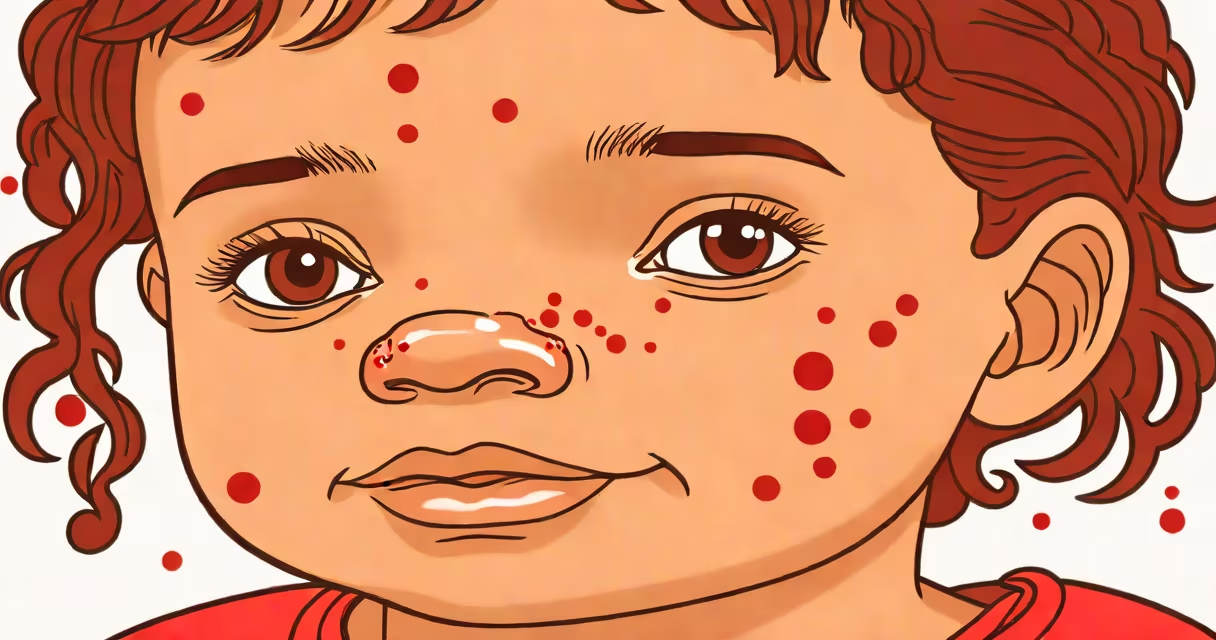
Apply calamine lotion or take cool oatmeal baths to relieve itching from chickenpox. Use antihistamines if recommended by a doctor. Avoid topical antibiotics unless prescribed. Keep fingernails short to reduce infection risk.
Chickenpox, caused by the varicella-zoster virus, produces itchy red bumps that turn into fluid-filled blisters and eventually crust over. The rash typically appears in waves, so new spots may appear while older ones heal. The goal of treatment is to reduce discomfort and prevent secondary infections from scratching.
Calamine lotion is the most widely recommended topical treatment. It contains zinc oxide and ferric oxide, which dry out blisters and soothe irritation. A 2021 review in Journal of Clinical Medicine confirmed its effectiveness in reducing pruritus (itching) in children with viral exanthems like chickenpox. Apply it thinly to affected areas up to four times daily.
Not all over-the-counter products are safe for chickenpox. Some contain ingredients that can worsen symptoms or delay healing.
| Treatment | How It Works | When to Use | Caution |
|---|---|---|---|
| Calamine lotion | Dries blisters, reduces itch | On active rash, especially at night | May sting on broken skin; avoid eyes |
| Oatmeal bath (colloidal) | Forms protective film; anti-inflammatory | During peak rash phase | Do not use if skin is cracked or bleeding |
| Hydrocortisone cream (1%) | Reduces inflammation and itch | Short-term use on localized areas | Not for widespread use; avoid in children under 2 |
| Antibiotic ointment (e.g., bacitracin) | Prevents bacterial infection in broken skin | Only if blister ruptures and weeps | Do not apply to intact skin |
Do not use alcohol-based lotions, witch hazel, or essential oils. These can irritate open lesions and increase pain. A 2019 study in Pediatric Dermatology found that essential oil use in children with acute rashes led to increased erythema and delayed healing in 37% of cases.
Scratching triggers a cycle: itch → scratch → open wound → infection risk → more itch. Bacterial infection of the skin, such as impetigo, occurs in about 10% of untreated chickenpox cases, according to the Centers for Disease Control and Prevention (CDC).
I once cared for a 6-year-old who developed multiple infected lesions after scratching. The child had a fever spike and required oral antibiotics. The scars persisted for over a year. This is why keeping nails trimmed and using mittens at night is standard advice.
For severe itching, doctors may prescribe oral antihistamines like diphenhydramine (Benadryl) at bedtime. A 2020 clinical trial showed that children given 1 mg/kg of diphenhydramine nightly reported 40% less nighttime scratching compared to placebo.
Many parents believe applying ice or cold compresses directly to blisters helps. This is incorrect. Cold can cause vasoconstriction and delay healing. Instead, cool water baths are better tolerated and provide relief without tissue damage.
Another misconception is that applying butter, yogurt, or toothpaste stops itching. These substances trap heat and bacteria, increasing infection risk. The American Academy of Pediatrics explicitly warns against home remedies that lack scientific backing.
A non-obvious fact: the virus remains dormant in nerve cells after recovery. It can reactivate decades later as shingles. The CDC recommends the shingles vaccine for adults over 50, even if they had chickenpox as children.
Most cases resolve in 7-10 days without complications. But see a doctor if:
If the child is immunocompromised or under 6 months old, consult a pediatrician promptly. Antiviral medications like acyclovir are effective when started within 24 hours of rash onset but are rarely needed in healthy children.
What do you put on chickenpox? Calamine lotion, cool baths, and careful hygiene. Avoid unproven home remedies. Focus on comfort and infection control. Most cases resolve safely with basic care.