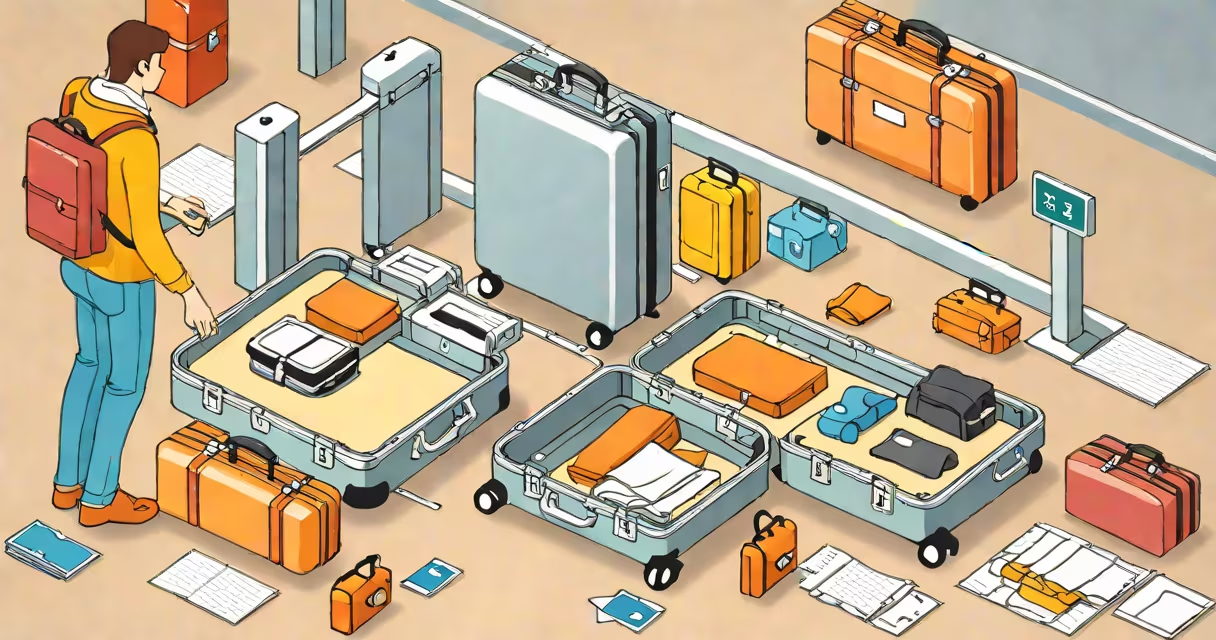
Most U.S. domestic airlines allow one checked suitcase with a maximum linear dimension of 62 inches (length + width + height) and a weight limit of 50 pounds. International flights often follow similar rules, though some carriers impose stricter limits based on route and fare class.
Linear inches are calculated by adding the suitcase's three dimensions: length, width, and height. A standard 28-inch suitcase typically measures 28 x 20 x 10 inches - totaling 58 linear inches, which fits within most airline policies. Exceeding 62 inches may result in extra fees or refusal at check-in.
Carriers such as Delta, American Airlines, and United enforce these standards uniformly across their domestic networks. The Federal Aviation Administration (FAA) does not set specific size limits for checked bags, leaving regulation to individual airlines. This means policies vary internationally - for example, Lufthansa allows 158 cm (62.2 inches) for economy class on long-haul routes, while Ryanair restricts checked bags to 115 cm (45.3 inches) on select routes.
Airlines define size using linear inches because it accounts for volume regardless of shape. A rectangular suitcase measuring 26 x 20 x 16 inches totals 62 linear inches - the upper limit for most domestic flights. A cylindrical travel bag with the same dimensions would also be acceptable.
Weight matters equally. Bags exceeding 50 pounds on U.S. domestic flights incur fees ranging from $25 to $100, depending on the airline and route. Overweight bags are subject to additional handling charges, and some airlines refuse to accept them entirely. For example, Alaska Airlines charges $100 for bags over 50 pounds on domestic routes, while JetBlue waives fees for the first overweight bag if booked through their website.
At check-in counters, agents use a measuring device called a "baggage gauge" to verify dimensions. These tools have fixed slots that simulate the 62-inch threshold. If your suitcase extends beyond the slot, it will be flagged for excess fee processing. Always measure your bag before arriving at the airport to avoid surprises.
Not all checked bags are treated the same. Airlines differentiate between standard, oversized, and special items. Understanding these categories prevents unexpected charges.
| Luggage Type | Max Linear Inches | Weight Limit | Common Fees |
|---|---|---|---|
| Standard Checked Bag | 62 | 50 lbs | $0-$100 (varies by airline) |
| Oversized Bag | 70-80 | 50-70 lbs | $50-$200 |
| Special Item (e.g., sports gear) | 110+ | 70-100 lbs | $100-$500 |
Some airlines offer free checked bags only with premium tickets. Delta, for example, includes one checked bag for Economy Comfort and higher fares on domestic flights. On international routes, United provides two checked bags for Premier members and those flying business class.
Non-standard items like surfboards, skis, or musical instruments require advance notice. These are classified as "special baggage" and may not fit in the standard hold. They're often transported in cargo holds and subject to separate fees. For instance, American Airlines charges $150 for a ski bag over 62 inches on transatlantic routes.
Size restrictions exist primarily for safety and operational efficiency. Over-sized bags can obstruct loading doors, damage conveyor belts, or interfere with aircraft balance during flight. The FAA requires that all cargo be secured properly, and oversized items increase risk during turbulence or emergency landings.
International flights introduce additional complexity. The International Air Transport Association (IATA) recommends that checked bags not exceed 158 cm (62.2 inches) in linear dimensions for most long-haul flights. However, some low-cost carriers like EasyJet cap checked bags at 115 cm (45.3 inches) and charge extra for larger ones. Failure to comply results in gate denial or high fees at check-in.
I've personally encountered this issue while traveling from New York to Paris. My 30-inch rolling suitcase measured 30 x 22 x 14 inches - 66 linear inches. Even though it was under 50 pounds, the agent refused to check it. I had to pay €120 to ship it separately via a courier service. That experience taught me to always measure before packing.
Many travelers assume that "size" refers only to height. This is incorrect. Airlines measure all three dimensions. A 24-inch tall suitcase with a 20-inch width and 18-inch depth totals 62 inches - acceptable. But a 28-inch tall bag with 20 x 10 inch sides exceeds the limit even if it appears small.
Another misconception is that carry-on size applies to checked bags. Carry-ons are limited to 22 x 14 x 9 inches (57 linear inches) on most domestic flights. While some bags fit both roles, exceeding carry-on limits doesn't automatically disqualify a bag from being checked - but it increases the chance of being charged.
Some travelers believe that airlines don't enforce size rules strictly. This is false. Agents routinely reject bags that exceed 62 inches. A 2023 study by the Air Travel Consumer Report found that 12% of passengers attempting to check bags over 62 inches were denied at major U.S. airports. The most frequent reason cited was failure to meet size requirements.
Always measure your suitcase before departure. Use a rigid tape measure or a luggage sizing tool available online. Pack light - aim for 45 pounds or less to stay well under the limit. When in doubt, choose a smaller bag. A 26-inch suitcase offers ample space for trips under two weeks and avoids size-related fees.
For international travel, consult the airline's official baggage policy page. Policies differ by destination. For example, British Airways allows 23 kg (50.7 lbs) and 158 cm (62.2 inches) for most long-haul routes, but reduces allowances for flights to Africa and Asia.
When booking, review your ticket details. Some budget airlines include only one checked bag on basic fares. Upgrading to a higher fare tier may add a second bag or increase size allowances. Reviewing the fine print prevents costly surprises.
Understanding what size suitcase can you check ensures smoother travel. Stick to 62 linear inches and 50 pounds for domestic flights. Confirm international limits early. Measure your bag. Avoid last-minute fees. The difference between a hassle-free trip and a costly delay comes down to knowing the rules.