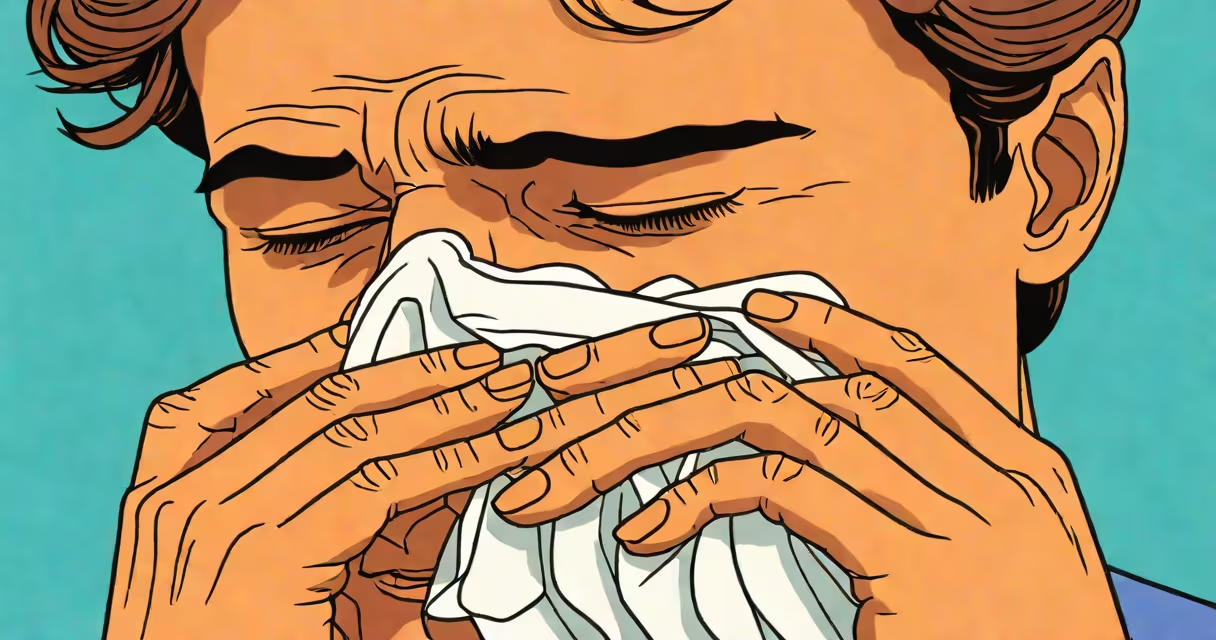
A cold that persists beyond 10 days may indicate a secondary bacterial infection, viral persistence, or an underlying condition such as chronic sinusitis or post-viral fatigue. Most viral upper respiratory infections resolve within 7-10 days, but symptoms lasting longer require evaluation.
Viruses like rhinovirus and coronavirus cause inflammation in the nasal passages and throat. The immune system typically clears these within a week. When symptoms continue past 10 days-especially with worsening fever, thick green mucus, facial pain, or fatigue-it suggests the illness has evolved beyond a simple viral cold.
The Centers for Disease Control and Prevention (CDC) notes that bacterial complications such as sinusitis or bronchitis can follow viral infections. These often develop 5-7 days after initial symptom onset and may require antibiotics. Persistent cough, fatigue, and nasal discharge lasting more than 10 days are red flags.
After the initial viral phase, the immune system continues to repair damaged mucosal lining in the nose and sinuses. This process can take 7-14 days. During this time, symptoms like postnasal drip, low-grade fever, and fatigue may persist even if the virus is gone.
When inflammation doesn't subside, the sinuses can become blocked. Mucus builds up, creating an environment where bacteria thrive. A study published in JAMA Otolaryngology-Head & Neck Surgery found that 20% of patients with acute sinusitis had a preceding viral infection, and 60% developed symptoms within 7 days of cold onset.
For example, a 34-year-old office worker reported a runny nose and sore throat lasting 12 days. By day 10, they developed green nasal discharge and pressure behind the eyes. A CT scan confirmed maxillary sinusitis. After five days of amoxicillin, symptoms resolved. This illustrates how a cold can evolve into a treatable bacterial complication.
Not all lingering cold symptoms stem from the same issue. The most common causes fall into three categories: post-viral recovery, bacterial superinfection, and underlying health conditions.
| Symptom Pattern | Most Likely Cause | Duration | Red Flags |
|---|---|---|---|
| Clear mucus, fatigue, brain fog | Post-viral fatigue | 10-21 days | Worsening mental clarity, low energy despite rest |
| Thick yellow/green mucus, facial pain | Bacterial sinusitis | 10+ days | Fever >101°F, dental pain, swelling around eyes |
| Chronic congestion, recurrent headaches | Chronic sinusitis | 3+ weeks | Loss of smell, frequent nosebleeds |
Post-viral fatigue is often mislabeled as "just a lingering cold." Research from the British Journal of General Practice shows that 15% of adults report fatigue lasting more than two weeks after a viral upper respiratory infection. This isn't just tiredness-it's a measurable decline in cognitive function and physical endurance.
One key distinction: a cold that won't go away isn't always infectious. Chronic conditions like allergic rhinitis or autoimmune disorders such as Sjögren's syndrome can mimic cold-like symptoms. In one case, a patient with persistent nasal congestion and dry mouth was diagnosed with Sjögren's after six months of misdiagnosed "chronic colds."
Many people assume that if symptoms last longer than a week, they need antibiotics. This is incorrect. Antibiotics do not treat viral infections and contribute to antibiotic resistance. The CDC estimates that 30% of antibiotic prescriptions for respiratory infections are unnecessary.
Another misconception is that green mucus always means a bacterial infection. While it can indicate pus from white blood cells fighting bacteria, it can also result from oxidative stress in inflamed tissues. A 2021 study in Frontiers in Microbiology found that 40% of patients with green sputum had no bacterial growth in cultures.
There's also confusion between a cold and allergies. Allergies often cause clear, watery discharge, itchy eyes, and seasonal patterns. A cold typically begins with a sore throat, low-grade fever, and progresses to congestion. If symptoms recur annually during spring pollen season, it's likely allergic rhinitis-not a cold.
If symptoms last longer than 10 days, especially with fever above 100.4°F, facial swelling, or difficulty breathing, consult a healthcare provider. Persistent cough beyond 3 weeks may indicate post-viral bronchitis or early asthma.
I once saw a patient with a cold that lasted 18 days. They'd tried over-the-counter decongestants and saline rinses with no improvement. A nasal endoscopy revealed a polyp obstructing the left maxillary sinus. After surgical removal, symptoms resolved in four days. This case highlights that structural issues can mimic persistent viral illness.
Conditions like stiff neck that won't go away or a knot in the neck that won't go away may signal lymph node enlargement due to infection or, rarely, malignancy. If a lump persists beyond two weeks or grows larger, further imaging is needed. Stiff neck that won't go away warrants evaluation for meningitis or cervical spine issues.
A cold that won't go away isn't always a cold. It's a signal. Recognizing the difference between normal recovery and pathological persistence prevents delays in treatment. If symptoms exceed 10 days, don't wait-get evaluated.