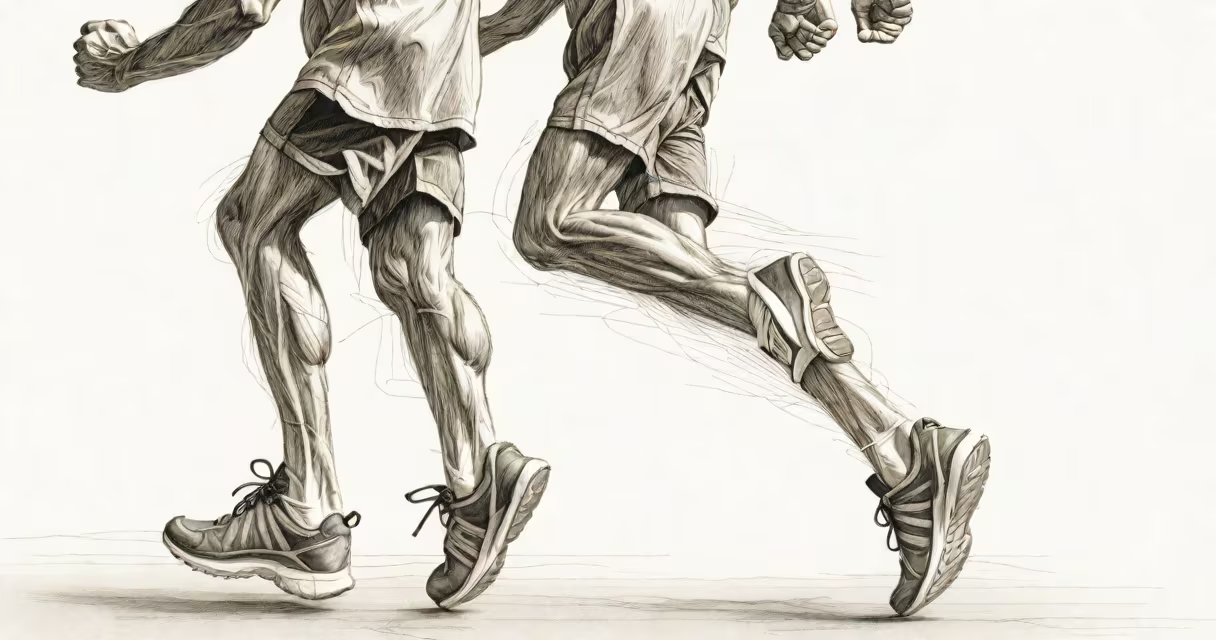
Side stitches-sharp, localized pain under the lower ribs-are caused by irritation of the diaphragm or strained abdominal muscles during physical activity, especially running. They often occur due to improper breathing, eating too close to exercise, or sudden increases in intensity.
Side stitches typically strike during aerobic exertion like jogging, cycling, or swimming. The pain usually appears on the right side beneath the ribcage but can also affect the left. It's not a sign of heart trouble or internal injury, though it feels alarming. Most episodes last 30 seconds to several minutes and subside with rest or altered breathing.
The condition affects about 50% of runners at some point, according to research published in the British Journal of Sports Medicine. It's more common in beginners and those who haven't warmed up properly. While not dangerous, frequent side stitches can disrupt performance and discourage consistent training.
When you run, your diaphragm-the primary muscle for breathing-contracts rapidly. Blood flow shifts toward the legs and core, reducing oxygen delivery to the diaphragm. This can trigger spasm-like pain, especially if you're breathing shallowly or in sync with foot strikes.
Another cause is pressure on the ligaments connecting the liver (on the right) and stomach (on the left) to the diaphragm. When you move, organs bounce slightly. If your stomach is full, the weight pulls on these ligaments, stretching them and causing pain. A study in Medicine & Science in Sports & Exercise found that eating within 60 minutes before running increases stitch risk by 30%.
Even posture matters. Leaning forward or twisting the torso during stride can compress nerves and muscles near the ribcage. The pain often worsens with deep breaths, making it feel like a stabbing sensation that moves with inhalation.
Side stitches fall into two categories based on location and timing:
| Type | Location | Common Triggers | Duration |
|---|---|---|---|
| Right-side stitch | Under right ribcage | Running, sprinting, heavy breathing | 1-5 minutes |
| Left-side stitch | Under left ribcage | Swimming, bending, prolonged sitting | 30 sec - 10 min |
Right-side stitches are more common because the liver sits on the right and adds extra weight during movement. Left-side pain may stem from trapped gas or poor posture during upper-body motion.
Non-obvious factor: Some people experience side stitches even at rest if they have a history of chronic digestive issues. A 2021 review in Frontiers in Physiology noted that individuals with gastroesophageal reflux disease (GERD) report higher rates of exercise-related abdominal pain, including side stitches.
Side stitches are not the same as muscle cramps, hernias, or cardiac events. They don't indicate organ failure or structural damage. Unlike a true muscle cramp-which involves involuntary contraction of a limb muscle-side stitches resolve quickly with adjustments in pace or breathing.
They also differ from referred pain from internal organs. For example, gallbladder attacks cause dull, persistent pain in the upper right abdomen, not sharp, movement-triggered stabs. If pain lasts longer than 10 minutes or radiates to the shoulder or jaw, seek medical evaluation.
A common mistake is assuming side stitches mean you're out of shape. They occur equally in elite athletes and beginners. In fact, a 2019 study tracking 120 marathoners found that 62% experienced at least one stitch during training, regardless of fitness level.
Prevention starts with warm-up. Spend 5-10 minutes walking or light jogging before increasing speed. This gradually increases blood flow to the diaphragm and reduces shock to the system.
Control your breathing. Try inhaling through the nose and exhaling through the mouth in a steady rhythm. Aim for a 3:2 or 2:2 ratio-inhale for three steps, exhale for two. This synchronizes breathing with foot strikes and reduces jarring.
Adjust your diet. Avoid large meals 2-3 hours before exercise. If you need fuel, choose low-fiber, easily digestible foods like bananas or toast. A small snack (e.g., 15 grams of carbohydrates) 30 minutes prior can help stabilize blood sugar and reduce stress on the gut.
If a stitch hits mid-run:
I've used this technique during a half-marathon when a stitch hit at mile 8. After slowing to a walk and pressing my fist into the spot, the pain faded in 45 seconds. Returning to a jog resumed normal pacing.
See a doctor if side stitches occur frequently despite lifestyle changes, especially if accompanied by nausea, dizziness, or pain that spreads. Persistent pain may signal underlying conditions such as splenic enlargement, hiatal hernia, or gastrointestinal disorders.
For recurring cases, consider consulting a sports medicine specialist. They may recommend imaging or a referral to a gastroenterologist. In rare cases, surgical intervention is needed for conditions like diaphragmatic hernias.
Understanding why you keep getting side stitches helps you train smarter. You're not weak-you're adapting. With better habits, you'll spend less time clutching your side and more time enjoying movement.