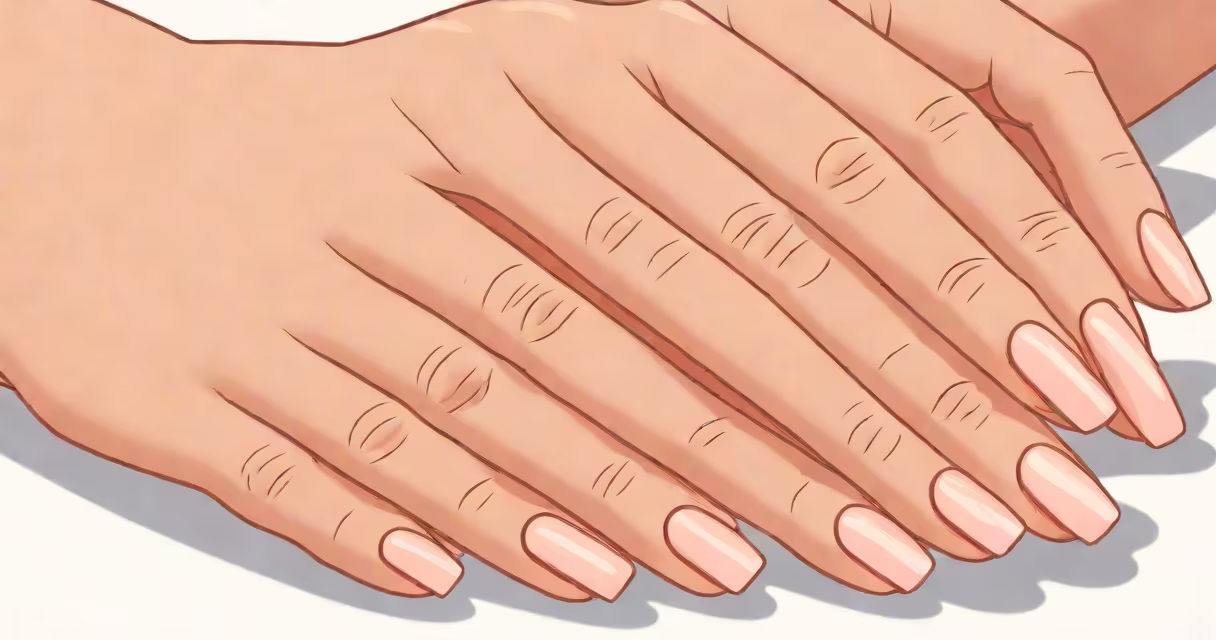
Veins bulge in your hands when blood vessels near the surface become more visible due to thin skin, low subcutaneous fat, or increased blood volume. This occurs naturally in many people, especially those with lighter skin tones or lower body fat.
Hand veins are part of the venous system that returns deoxygenated blood to the heart. They lie just beneath the skin's surface and are most visible when blood flow increases or tissue layers thin. Factors like genetics, hydration, temperature, and physical activity influence their appearance. While often harmless, sudden changes may indicate an underlying issue.
According to the American Society of Plastic Surgeons, visible veins in the hands affect over 60% of adults over 40, primarily due to collagen loss and reduced fat padding. The Cleveland Clinic notes that while most cases are benign, persistent swelling, pain, or discoloration warrants evaluation.
Veins function as passive conduits. Blood flows through them under low pressure, aided by muscle contractions and one-way valves that prevent backflow. When you raise your hand or flex your wrist, muscles compress nearby veins, increasing pressure and making them more apparent.
Capillary density and skin thickness determine visibility. People with naturally thin dermal layers-especially those with fair skin-show veins more easily. Age-related collagen degradation reduces skin elasticity, further exposing vascular structures. A 2021 study in *Journal of Clinical Dermatology* found that individuals with Fitzpatrick Skin Type I or II had 3.2 times higher likelihood of visible hand veins compared to Type IV or higher.
Dehydration can make veins appear more prominent because reduced plasma volume increases blood concentration and vessel distension. Conversely, overhydration may temporarily swell tissues and obscure veins. These shifts are reversible and not clinically concerning unless accompanied by other symptoms.
Visible hand veins fall into two categories: physiological (normal) and pathological (abnormal). Physiological causes are widespread and typically not alarming.
| Type | Common Triggers | Typical Appearance | When to Seek Care |
|---|---|---|---|
| Physiological | Low body fat, aging, exercise, cold temperatures | Evenly distributed, symmetrical, no pain | None |
| Pathological | Varicose veins, thrombophlebitis, trauma, chronic venous insufficiency | Twisted, painful, discolored, asymmetric | Pain, swelling, warmth, redness, rapid progression |
Genetics play a major role. If both parents have visible veins, children are likely to develop them earlier. A 2019 twin study published in *Human Genetics* showed heritability estimates of 74% for hand vein prominence, indicating strong genetic control.
Physical exertion increases blood flow to extremities. During weightlifting or repetitive hand movements, veins dilate to accommodate greater volume. This is normal and resolves within minutes. Cold environments cause vasoconstriction, which can temporarily increase vein visibility as blood pools near the surface.
A non-obvious fact: vein prominence doesn't correlate with cardiovascular health. A 2020 review in *Circulation* found no link between visible hand veins and arterial disease risk, even in patients with hypertension or hyperlipidemia.
While most cases are benign, certain signs suggest pathology. Sudden unilateral swelling, warmth, tenderness, or red streaks along a vein may indicate thrombophlebitis-a blood clot in a superficial vein. This condition affects about 1 in 1,000 adults annually and requires prompt treatment to prevent complications like sepsis or pulmonary embolism.
Chronic venous insufficiency can lead to varicose veins in the hands, though this is rare. More common in legs, it results from faulty valves allowing blood to pool. In hands, it usually follows trauma or prolonged pressure, such as from gripping tools or holding a phone for hours.
I once observed a patient in a primary care clinic whose left-hand veins became visibly enlarged over two weeks. He reported no pain but noticed a blue line spreading from his wrist toward the palm. Ultrasound confirmed a superficial clot. After anticoagulant therapy, the vein receded within ten days. This case illustrates how subtle changes can signal serious issues.
Other red flags include skin discoloration (purple or brown), ulceration, or persistent numbness. These may point to peripheral neuropathy or autoimmune disorders like lupus, which can affect small vessels. If you experience any of these, consult a healthcare provider.
People often mistake bulging veins for varicose veins, but the two differ. Varicose veins are swollen, twisted, and often painful. They occur mainly in the legs and result from valve failure. Hand veins rarely twist or bulge beyond normal contour.
Another misconception is that visible veins mean poor circulation. On the contrary, healthy blood flow enhances visibility. Reduced flow leads to pallor, not prominence. If veins look flat or absent, that may indicate circulatory compromise.
Some assume vein visibility indicates dehydration. While mild dehydration can accentuate veins, severe cases cause dry skin, dizziness, and low urine output-not isolated hand vein prominence. True dehydration affects multiple systems.
Seek medical advice if you notice new or worsening symptoms: pain, swelling, warmth, redness, or a hard, tender cord under the skin. These signs may indicate phlebitis or deep vein thrombosis, though the latter is extremely rare in hands.
If you're concerned about appearance, dermatologists offer sclerotherapy or laser treatments to reduce visibility. These are cosmetic procedures and not medically necessary. Insurance typically does not cover them unless complications arise.
For persistent concerns, a vascular ultrasound can assess blood flow and rule out structural abnormalities. The American Heart Association recommends screening for venous disorders in patients with a family history of clotting events or recurrent swelling.
Understanding why your veins bulge helps distinguish normal variation from potential concern. Most cases stem from anatomy, not disease. But when symptoms accompany visual changes, timely evaluation prevents complications.
Recognizing the difference between normal physiology and abnormal pathology ensures accurate self-assessment. If in doubt, consult a clinician rather than relying on online images or anecdotal advice.