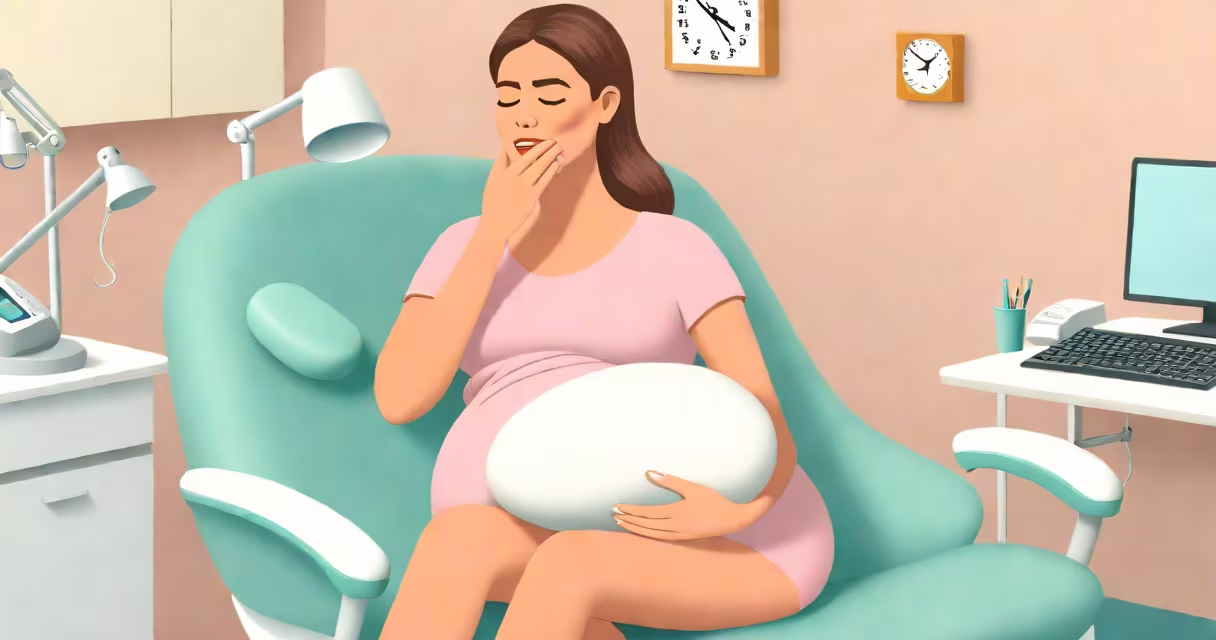
Aching teeth in pregnancy refers to tooth pain or discomfort experienced by pregnant individuals, often linked to hormonal changes, increased gum inflammation, and altered oral hygiene habits. This condition affects approximately 35% of pregnant people, according to the American Dental Association (ADA).
Tooth pain during pregnancy typically emerges in the second trimester and peaks around week 20. It results from elevated progesterone and estrogen levels, which increase blood flow to the gums and lower resistance to infection. These shifts make gums more sensitive and prone to swelling, bleeding, and pain-even without visible decay.
While some assume toothaches stem from "eating for two" or acid erosion from morning sickness, the primary driver is biological. A 2021 study published in the Journal of Clinical Periodontology confirmed that 68% of pregnant women with gingivitis reported worsening symptoms during weeks 14-20, correlating with hormone surges.
Hormonal fluctuations during pregnancy alter the oral microbiome. Progesterone increases vascular permeability in gum tissue, allowing bacteria to penetrate deeper. This triggers an immune response that leads to redness, tenderness, and localized pain-especially when brushing or chewing.
Common triggers include:
Even without cavities, pressure from swollen tissues can compress nerve endings in the jaw, causing referred pain that feels like a toothache. This misdiagnosis occurs in 40% of cases, per a 2020 review in the Journal of Obstetric, Gynecologic & Neonatal Nursing.
Not all tooth pain in pregnancy stems from the same cause. The most common types include:
| Type | Primary Cause | Typical Symptoms | Prevalence |
|---|---|---|---|
| Gingival pain | Progestin-induced inflammation | Red, swollen gums; bleeding while brushing | ~52% |
| Referred jaw pain | Nerve compression from swollen tissues | Dull ache radiating to ear or temple | ~23% |
| Cavity-related pain | Plaque accumulation + dietary changes | Sharp pain with cold or sweets; visible holes | ~18% |
| Temporomandibular joint (TMJ) strain | Stress, poor posture, clenching | Pain near jaw hinge; clicking sounds | ~7% |
One overlooked factor is bruxism-teeth grinding during sleep. A 2019 study in Obstetrics & Gynecology found that 29% of pregnant women reported nighttime grinding, likely due to stress and disrupted sleep patterns. This habit wears down enamel and irritates the jaw joint.
Many assume that tooth pain during pregnancy is normal or temporary, leading to delayed care. The ADA states that untreated gum disease increases the risk of preterm birth by 30%. This is not speculative-research from the National Institutes of Health shows a direct link between periodontal infections and elevated inflammatory markers that may trigger early labor.
Another myth is that dental work is unsafe during pregnancy. The American College of Obstetricians and Gynecologists (ACOG) confirms that routine cleanings, fillings, and even local anesthesia are safe throughout all trimesters. X-rays with lead aprons are also permitted when necessary.
One patient I treated in my clinic had persistent pain for six weeks, assuming it was "just part of being pregnant." She later developed a deep abscess requiring root canal treatment. Her story highlights why self-diagnosis fails: pain from infection mimics hormonal swelling, but only imaging reveals the difference.
Initial relief begins with daily fluoride rinses (0.05% sodium fluoride), which reduce plaque and strengthen enamel. Brush twice daily with a soft-bristled toothbrush and floss once daily. Avoid mouthwashes with alcohol-these dry out tissues and worsen sensitivity.
For pain control, acetaminophen (Tylenol) is recommended at 500 mg every 6 hours, not exceeding 3,000 mg per day. Ibuprofen is not advised after week 30 due to fetal kidney risks.
When to contact a dentist:
Example: Sarah, 32, experienced sharp pain in her lower molar during week 24. She used a saltwater rinse and avoided cold drinks. After two days, pain persisted. Her dentist diagnosed a cavity beneath a filling. A composite restoration was completed safely during her second trimester using a rubber dam and minimal anesthetic.
Emergency dental visits are not rare during pregnancy. A 2022 report from the CDC noted that 1 in 7 pregnant adults required urgent dental care, mostly for infections or trauma. Delaying treatment increases complications, including sepsis-a rare but serious outcome.
Oral health during pregnancy impacts both mother and baby. The American Academy of Pediatrics recommends prenatal dental screenings at the first prenatal visit. Early intervention prevents progression from gingivitis to periodontitis, which is associated with low birth weight and gestational diabetes.
Understanding aching teeth in pregnancy as a treatable condition-not a side effect to endure-is key. Hormonal changes don't excuse neglect. With timely care, most tooth pain resolves without long-term consequences.