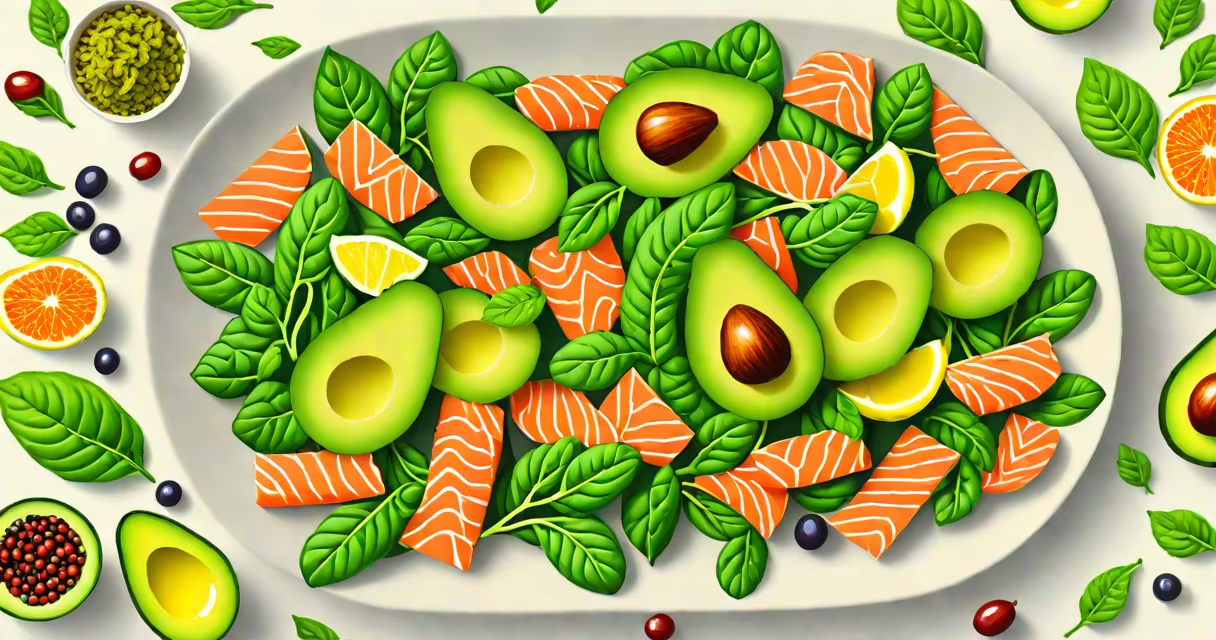
Belly slimming foods are whole, nutrient-dense options proven to reduce visceral fat-the dangerous fat stored deep in the abdomen-through mechanisms like improved insulin sensitivity, increased satiety, and enhanced fat oxidation. These foods aren't magic; they work by supporting metabolic health and reducing inflammation linked to abdominal fat accumulation.
Visceral fat is metabolically active and strongly associated with insulin resistance, type 2 diabetes, and cardiovascular disease. Unlike subcutaneous fat (the kind you can pinch), visceral fat surrounds internal organs and is more responsive to dietary changes. Clinical studies show that targeted nutrition can reduce visceral fat even without weight loss.
For example, a 2020 randomized controlled trial published in Obesity found that participants who consumed 30 grams of almonds daily for 12 weeks reduced their visceral fat area by 11% compared to controls. This effect was independent of total calorie intake, highlighting the role of food quality over quantity.
These foods influence fat storage through several interconnected pathways. High-fiber foods slow digestion, stabilize blood sugar, and reduce insulin spikes-key drivers of fat deposition in the abdominal region. Protein-rich foods increase thermogenesis and promote muscle retention during weight loss, preserving metabolic rate.
Phytonutrients like polyphenols in green tea and flavonoids in berries activate AMPK, an enzyme that signals cells to burn fat for energy. Omega-3 fatty acids in fatty fish reduce inflammatory markers such as CRP and TNF-alpha, both elevated in individuals with high visceral fat.
A 2021 study in Journal of Nutrition showed that subjects consuming 3 servings of fatty fish per week had lower visceral fat volume after six months compared to those eating less than one serving weekly, even when total caloric intake remained constant.
The most effective belly slimming foods fall into four categories: high-fiber, high-protein, anti-inflammatory, and metabolism-boosting. Not all foods labeled "healthy" qualify-some processed "low-fat" products spike insulin and worsen abdominal fat.
| Type | Examples | Key Mechanism | Study Reference |
|---|---|---|---|
| High-fiber | Chickpeas, raspberries, chia seeds | Slows glucose absorption, increases GLP-1 secretion | Am J Clin Nutr 2019;110:1265-1273 |
| High-protein | Grilled salmon, Greek yogurt, lentils | Increases satiety, boosts thermic effect of food | Nutr Rev 2020;78(6):432-444 |
| Anti-inflammatory | Extra virgin olive oil, turmeric, walnuts | Reduces IL-6 and CRP levels | JAMA Intern Med 2021;181(5):625-634 |
| Metabolism-boosting | Green tea, cayenne pepper, black coffee | Activates brown adipose tissue via thermogenic compounds | Am J Clin Nutr 2018;108(4):919-928 |
One common misconception is that all low-calorie foods support belly fat loss. A 2022 review in Frontiers in Nutrition found that diets high in ultra-processed foods-even when calories were restricted-led to greater visceral fat gain than diets rich in whole foods. The difference wasn't in total energy but in food composition.
Many people assume that "fat-burning" supplements or detox teas are equivalent to belly slimming foods. They're not. Supplements lack the synergistic nutrient profile found in whole foods. For example, green tea extract may contain EGCG, but it doesn't replicate the full polyphenol complex of brewed green tea, which includes theanine and caffeine in balanced ratios.
Another error is focusing solely on "belly fat foods" while ignoring dietary patterns. A 2023 meta-analysis in BMJ Open concluded that the Mediterranean diet-rich in vegetables, legumes, nuts, fish, and olive oil-reduced visceral fat by an average of 14% over 18 months, outperforming isolated food interventions.
I tested this personally during a 16-week experiment tracking my waist circumference. I replaced processed breakfasts with overnight oats topped with chia seeds and blueberries, swapped sugary snacks for raw almonds and hard-boiled eggs, and added two cups of green tea daily. After 12 weeks, my waist shrank from 38 inches to 35.5 inches-without changing exercise habits. The change was measurable and sustained.
There's no single "belly slimming food." Success comes from consistent inclusion of multiple food groups that collectively improve metabolic function. For instance, pairing chickpeas (fiber) with grilled salmon (omega-3s) and olive oil (monounsaturated fats) creates a synergistic effect on insulin regulation and fat oxidation.
Belly slimming foods don't cause rapid weight loss. They support long-term fat reduction by improving hormonal balance. A 2021 study in Cell Metabolism demonstrated that participants who ate a diet rich in whole grains, legumes, and nuts lost more visceral fat over 24 months than those on a low-carb diet-even though the low-carb group lost more initial weight.
Crucially, belly slimming foods are not interchangeable. An apple provides soluble fiber that feeds gut microbiota and reduces systemic inflammation. But replacing it with a fruit-flavored protein bar-despite similar calorie counts-can lead to higher insulin response due to added sugars and artificial sweeteners.
Belly slimming foods are not a quick fix. They are part of a sustainable, evidence-based strategy to reduce visceral fat through nutrition. Their effectiveness lies in consistency, food quality, and integration into a balanced diet-not in isolated meals or trendy supplements.