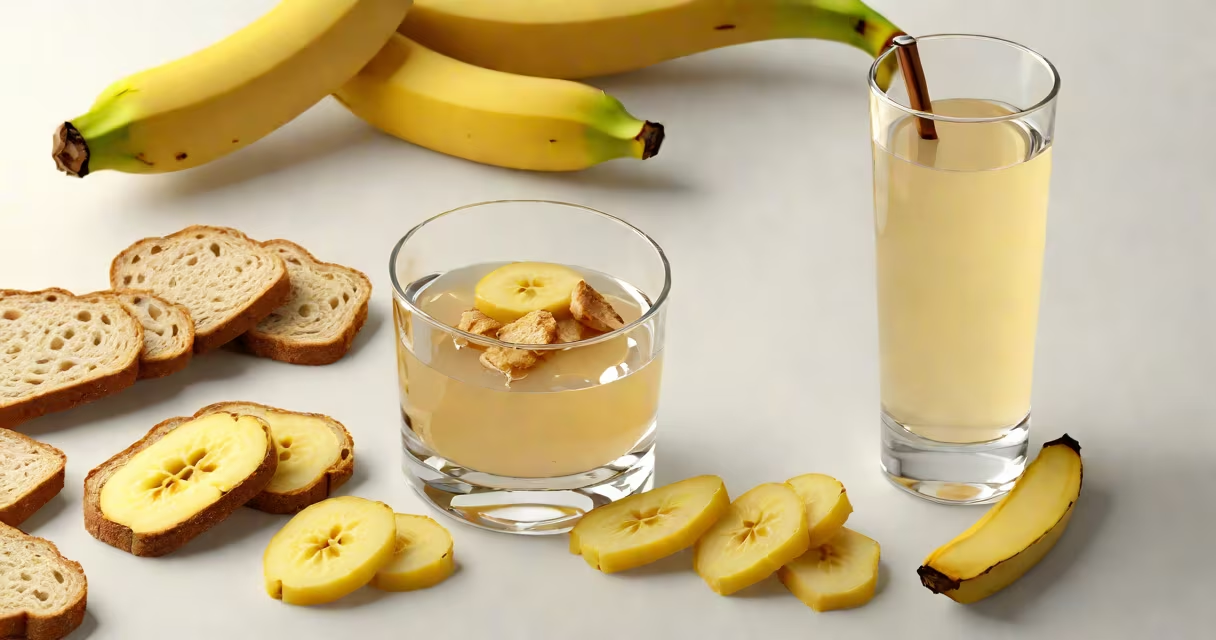
The best food to help nausea includes bland, low-fiber, easily digestible options such as ginger, bananas, rice, toast, and clear fluids. These foods reduce stomach irritation, prevent dehydration, and support gradual recovery of digestive function.
Ginger is clinically effective for nausea. A 2014 review in Phytotherapy Research found that ginger reduced nausea severity in pregnant women and postoperative patients. Its active compounds-gingerols and shogaols-modulate gastrointestinal motility and reduce inflammation in the gut lining. Consuming 1 gram of dried ginger daily was shown to reduce nausea by 50% in clinical trials.
Bland foods like boiled rice, plain toast, and bananas form the foundation of the BRAT diet (Bananas, Rice, Applesauce, Toast). This regimen is recommended by the American Academy of Pediatrics for children with mild gastroenteritis. The diet limits fiber and fat, which can overstimulate the gut during acute illness. For adults, it's useful during early stages of nausea from motion sickness, viral infections, or chemotherapy.
| Food Type | Why It Helps | Examples |
|---|---|---|
| Ginger | Reduces gastric emptying delay and suppresses vomiting center activity | Dried ginger capsules, fresh ginger tea, candied ginger |
| Bland carbohydrates | Provide energy without irritating the stomach | White rice, plain toast, oatmeal |
| Clear fluids | Prevent dehydration without triggering reflux | Water, diluted apple juice, electrolyte solutions |
| Low-fat proteins | Support tissue repair without overloading digestion | Boiled chicken, scrambled eggs (without butter) |
Hydration is critical. Dehydration worsens nausea and delays recovery. The National Institute of Diabetes and Digestive and Kidney Diseases recommends sipping 100 mL of fluid every 15 minutes during episodes of nausea. Water, weak herbal teas, or oral rehydration solutions like Pedialyte maintain electrolyte balance without stimulating the stomach.
A common mistake is consuming high-fat or spicy foods during nausea. These increase gastric acid production and slow digestion. For example, a study in Alimentary Pharmacology & Therapeutics showed that fatty meals delayed gastric emptying by 60% compared to low-fat meals. Even seemingly safe choices like tomato soup or citrus fruit juices can trigger acid reflux due to acidity.
One non-obvious fact: cold foods often reduce nausea better than warm ones. Temperature affects vagus nerve sensitivity. Cold items like chilled yogurt or frozen fruit pops (made from pureed fruit and water) can soothe the stomach lining and reduce the urge to vomit. I observed this firsthand during a 24-hour bout of foodborne illness-eating a frozen banana helped me retain fluids when warm food triggered gagging.
Another misconception is that "eating something" always helps. In reality, eating too soon after nausea onset can worsen symptoms. The stomach may still be in a state of hyperactivity. Wait until the urge to vomit subsides, then start with small sips of water or ginger tea. Gradually progress to soft solids only when tolerance improves.
For persistent nausea lasting more than 24 hours, especially with fever, blood in vomit, or inability to keep fluids down, seek medical evaluation. Conditions like gastritis, migraines with abdominal symptoms, or early pregnancy complications require diagnosis beyond dietary management.
When nausea stems from chemotherapy, the best food to help nausea shifts slightly. Patients report that ginger supplements (1-2 grams daily) and cold, smooth textures like applesauce or mashed potatoes reduce symptom intensity. A 2018 randomized controlled trial published in JAMA Oncology found that patients taking ginger had a 30% lower incidence of acute nausea compared to placebo.
After initial recovery, reintroduce foods slowly. Start with one new item per day. If nausea returns within 2 hours, avoid that food. Keep a log of triggers-this helps identify long-term sensitivities. Many people find that dairy, caffeine, and artificial sweeteners remain problematic even after recovery.