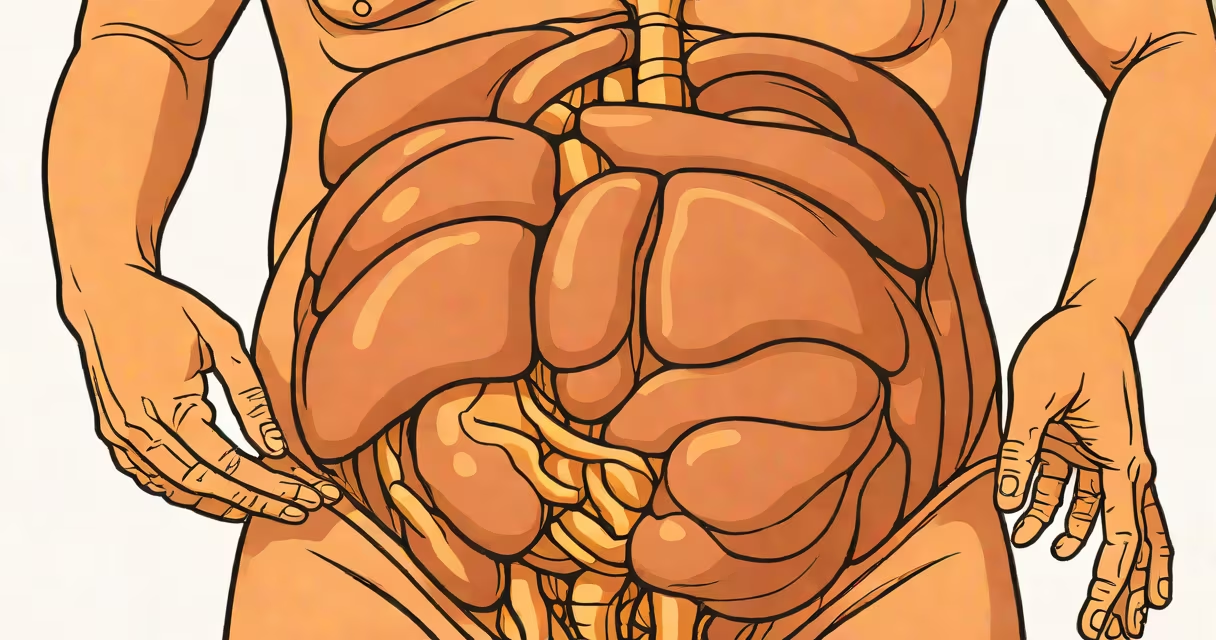
Stomach bloating liver describes abdominal swelling caused by liver dysfunction impairing digestion and fluid balance. The liver processes nutrients, detoxifies blood, and produces bile for fat breakdown. When it fails, gas buildup, fluid retention, and poor digestion lead to bloating. This condition often co-occurs with fatty liver disease, cirrhosis, or hepatitis.
Bloating arises when the liver cannot manage metabolic waste or regulate fluid. For example, damaged liver cells reduce albumin production. Low albumin lowers blood osmotic pressure, drawing fluid into tissues and causing edema. Abdominal fluid accumulation (ascites) contributes to bloating. The liver also regulates gut motility via the enterohepatic circulation. Impaired bile flow slows digestion, allowing bacteria to ferment undigested food, producing gas.
Common triggers include alcohol abuse, high-fat diets, and medications like acetaminophen. A 2021 study in Gastroenterology found that 68% of patients with non-alcoholic fatty liver disease reported bloating as a primary symptom. Elevated bilirubin levels from liver stress can also cause nausea and fullness, mimicking bloating. Blood tests measuring AST, ALT, and GGT enzymes help confirm liver involvement.
The liver filters toxins and manages nutrient metabolism. When compromised, it fails to process fats efficiently. Reduced bile synthesis leads to malabsorption of fats and fat-soluble vitamins. Undigested fats ferment in the colon, producing hydrogen and methane gases. These gases accumulate in the intestines, increasing intra-abdominal pressure and causing visible bloating.
Liver damage also disrupts the renin-angiotensin-aldosterone system. Overactivity raises aldosterone levels, promoting sodium and water retention. Fluid builds up in the abdomen, forming ascites. A 2020 review in Journal of Hepatology noted that 30% of cirrhotic patients develop ascites, with bloating as a consistent early sign. Ascites increases abdominal wall tension, worsening discomfort and reducing lung capacity during breathing.
Altered gut microbiota further worsens bloating. The liver maintains gut barrier integrity through bile acid regulation. When bile flow decreases, harmful bacteria overgrow. These microbes produce excess gas and inflammatory compounds. A 2019 study in Nature Microbiology showed that patients with chronic liver disease had 40% higher levels of gas-producing bacteria like *Clostridium* and *Bacteroides* compared to healthy controls.
Not all bloating stems from liver issues. Distinguishing causes is critical. The following table outlines key differences between liver-related and non-liver-related bloating.
| Type | Primary Cause | Key Symptoms | Diagnostic Clues |
|---|---|---|---|
| Liver-related bloating | Fatty liver, cirrhosis, hepatitis | Progressive abdominal swelling, leg edema, jaundice | Elevated liver enzymes, low albumin, ultrasound findings |
| Diet-induced bloating | High-FODMAP foods, lactose intolerance | Post-meal gas, cramping, relief after bowel movement | Improves with dietary elimination, normal labs |
| IBS-related bloating | Visceral hypersensitivity, altered motility | Variable timing, bloating with stress or meals | Rome IV criteria met, no organ failure signs |
Non-liver causes like irritable bowel syndrome (IBS) share bloating symptoms but lack systemic markers. IBS bloating typically resolves within hours after defecation. Liver-related bloating persists and worsens over time. A patient with both IBS and fatty liver may report bloating after every meal, but only liver disease explains progressive weight gain and swollen ankles.
Many assume bloating always signals digestive problems. In reality, bloating can reflect systemic organ failure. A 2022 study in European Journal of Gastroenterology & Hepatology found that 22% of patients presenting with bloating had undiagnosed liver disease. Doctors often misattribute bloating to diet or stress, delaying diagnosis.
Another myth is that bloating equals gas. While gas contributes, fluid retention is a major factor. Ascites accounts for 40% of bloating volume in advanced liver disease. Ultrasound imaging confirms fluid presence, while breath tests detect gas. Confusing the two leads to ineffective treatment. Treating gas with simethicone won't resolve ascites-related bloating.
A third error is equating bloating with obesity. Abdominal swelling from liver disease appears even in lean individuals. A 45-year-old woman with normal BMI presented with bloating and fatigue. Blood work revealed elevated AST (120 U/L) and ALT (115 U/L). An ultrasound confirmed fatty liver. Her bloating resolved after lifestyle changes and medication, despite no weight loss.
Consider a 52-year-old man with a history of heavy drinking. He reports bloating that began six months ago, worsened over time, and includes swelling in his legs. He denies recent dietary changes. Physical exam shows a protuberant abdomen and shifting dullness on percussion. Blood tests reveal AST 180 U/L, ALT 160 U/L, and albumin 3.0 g/dL. An abdominal ultrasound shows a heterogeneous liver texture and 2 cm of free fluid in the pelvis.
These findings indicate alcoholic liver disease with early ascites. The bloating results from fluid accumulation and impaired bile secretion. Treatment includes abstinence, diuretics (spironolactone 100 mg daily), and a low-sodium diet. After four weeks, his bloating decreased by 60%, and fluid resolved. His liver enzymes dropped to AST 60 U/L and ALT 55 U/L. This case illustrates that bloating can precede overt liver failure and requires specific diagnostic steps.
Stomach bloating liver is not a standalone diagnosis but a clinical presentation of underlying liver pathology. Recognizing it early improves outcomes. Addressing root causes-such as alcohol reduction, managing metabolic syndrome, or treating viral hepatitis-reduces bloating and prevents complications like hepatic encephalopathy. Ignoring bloating as "just gas" risks missing life-threatening conditions.